


 Download Aplikasi Rumah123
 Cari Agen
 Aset Bank
 Explore
 Berita
 Bantuan
 Download Aplikasi
Indonesia Manufacturing: Opportunities and Insights for Expats
Published on October 21, 2025 · 5 min read · by Alya Zulfikar
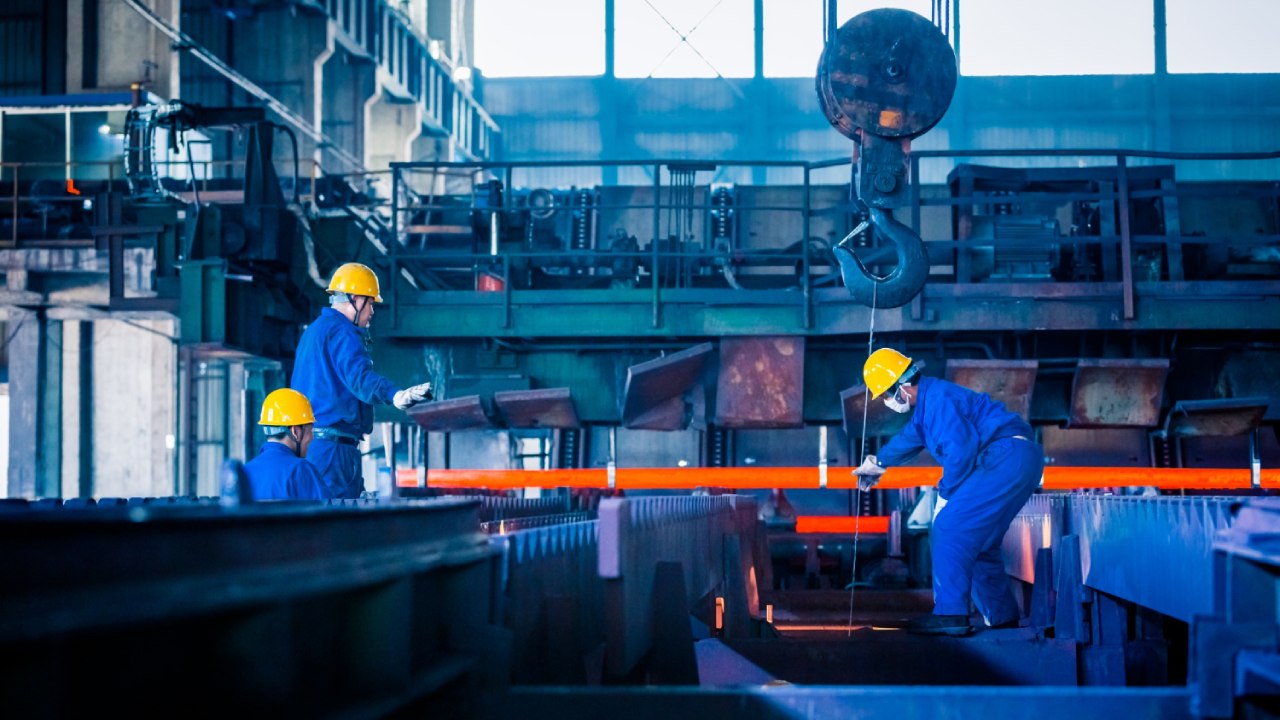
Indonesia manufacturing plays a vital role in the country’s economic growth and global trade position.
As the largest economy in Southeast Asia, Indonesia has a diverse industrial base that attracts both domestic and international investors.
The sector contributes significantly to GDP and creates millions of jobs, making it a cornerstone of national development.
For expats, understanding the manufacturing landscape can open doors to business opportunities, partnerships, and career prospects.
With strategic geographic positioning, abundant natural resources, and a growing skilled workforce, Indonesia continues to position itself as a competitive hub in the region.
From consumer goods to advanced electronics, the variety and scale of production offer a wealth of options for foreign investors and professionals.
In this article, we will explore the top manufacturing sectors in Indonesia and highlight the largest industrial areas that drive the nation’s production power.
Manufacturing Sectors in Indonesia
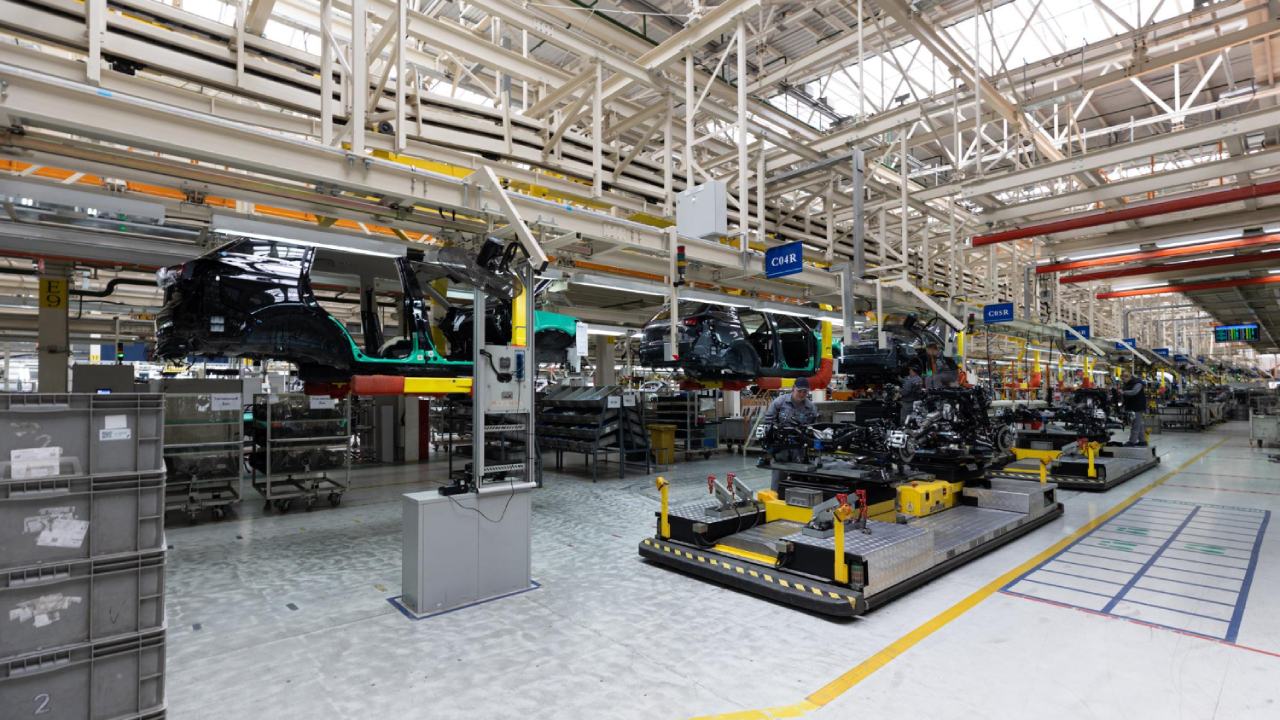
Indonesia’s manufacturing industry is broad, covering multiple key sectors that serve both domestic and global markets.
Here are some of the most important sectors that expats should know:
1. Automotive Industry
The automotive sector is one of the fastest-growing segments in manufacturing Indonesia.
The country is a major production base for global brands, supplying vehicles to markets across Southeast Asia.
Government incentives and a rising middle class have boosted domestic car and motorcycle sales.
Manufacturing facilities are concentrated in West Java, with strong supply chain networks for components and spare parts.
For expats, opportunities exist in supply chain management, component sourcing, and technology transfer.
Read more:
Buying a Home in Indonesia: A Guide for Expatriates
2. Textile and Garment Industry
Indonesia has long been known as a major player in the global textile and garment trade.
This manufacturing Indonesia segment benefits from competitive labor costs and access to natural fibers.
The industry exports to major markets like the United States, Japan, and Europe.
West Java, Central Java, and Bali host many textile factories, blending traditional craftsmanship with modern production methods.
Foreign investors often find opportunities in niche segments such as sustainable fabrics and high-quality fashion goods.
For those seeking modern logistics facilities to support textile and garment distribution, Taman Tekno X BSD City in Tangerang offers a strategic location, advanced warehouse infrastructure, and easy access to Jakarta’s transport network, making it an excellent choice for storage and distribution operations.
3. Electronics and Electrical Equipment
The electronics sector is a significant contributor to manufacturing Indonesia exports.
Indonesia produces a wide range of products, from home appliances to components for global tech companies.
Batam Island, due to its proximity to Singapore, serves as a prime location for electronics assembly and export.
Government policies are encouraging more high-tech investment, creating opportunities in R&D and precision manufacturing.
For expats with expertise in automation and design, this is a sector with strong growth potential.
4. Food and Beverage Processing
The food and beverage industry is a vital part of manufacturing Indonesia.
It benefits from abundant agricultural resources and a large domestic consumer base.
Major sub-sectors include palm oil processing, coffee, cocoa, and seafood products.
These products are exported worldwide while serving the expanding local market.
Expats often engage in quality control, supply chain optimization, and market expansion roles in this sector.
5. Chemical and Pharmaceutical Industry
Chemical manufacturing Indonesia operations cover petrochemicals, fertilizers, and pharmaceuticals.
The sector supports both agricultural production and healthcare needs.
With the rising demand for healthcare products, pharmaceutical manufacturing has seen rapid investment growth.
Industrial hubs in Cilegon and East Java play a crucial role in this segment.
Opportunities exist for foreign professionals in technology transfer, compliance, and sustainable production.
Biggest Manufacturing Areas in Indonesia
Manufacturing activity in Indonesia is spread across several key regions, each with unique advantages for production and logistics.
1. West Java
West Java is the heart of manufacturing Indonesia, home to automotive, textiles, and electronics production.
The region benefits from proximity to Jakarta, excellent transport infrastructure, and a dense network of suppliers.
Industrial estates such as Karawang and Bekasi attract multinational companies.
For expats, West Java offers vibrant business opportunities and easy access to corporate headquarters.
Read more:
Can Foreigners Get a Mortgage in Indonesia?
2. East Java
East Java, particularly Surabaya and its surrounding areas, is a major hub for manufacturing Indonesia in food processing, shipbuilding, and chemicals.
Its strategic port facilities make it a key gateway for exports to Australia and the Pacific.
Industrial zones here often provide more competitive land and labor costs compared to West Java.
Expats involved in logistics and export management often find East Java appealing.
3. Batam Island
Batam is a special economic zone positioned close to Singapore, making it ideal for electronics, precision engineering, and ship repair.
This area is critical for manufacturing Indonesia exports to regional and global markets.
Tax incentives and simplified licensing procedures attract foreign manufacturers.
The island’s infrastructure and proximity to international shipping lanes enhance its appeal.
4. Central Java
Central Java is growing as a manufacturing Indonesia center for textiles, garments, and furniture.
Lower labor costs and increasing infrastructure investment make it attractive to both local and foreign investors.
Cities like Semarang and Solo have become hubs for labor-intensive manufacturing.
Expats often explore opportunities in quality control, export management, and manufacturing technology training here.
(images: freepik)