


 Download Aplikasi Rumah123
 Cari Agen
 Aset Bank
 Explore
 Berita
 Bantuan
 Download Aplikasi
Understanding Language Learning in Indonesian Schools: A Guide for Foreign Families
Last updated October 24, 2025 · 6 min read · by Yongky Yulius
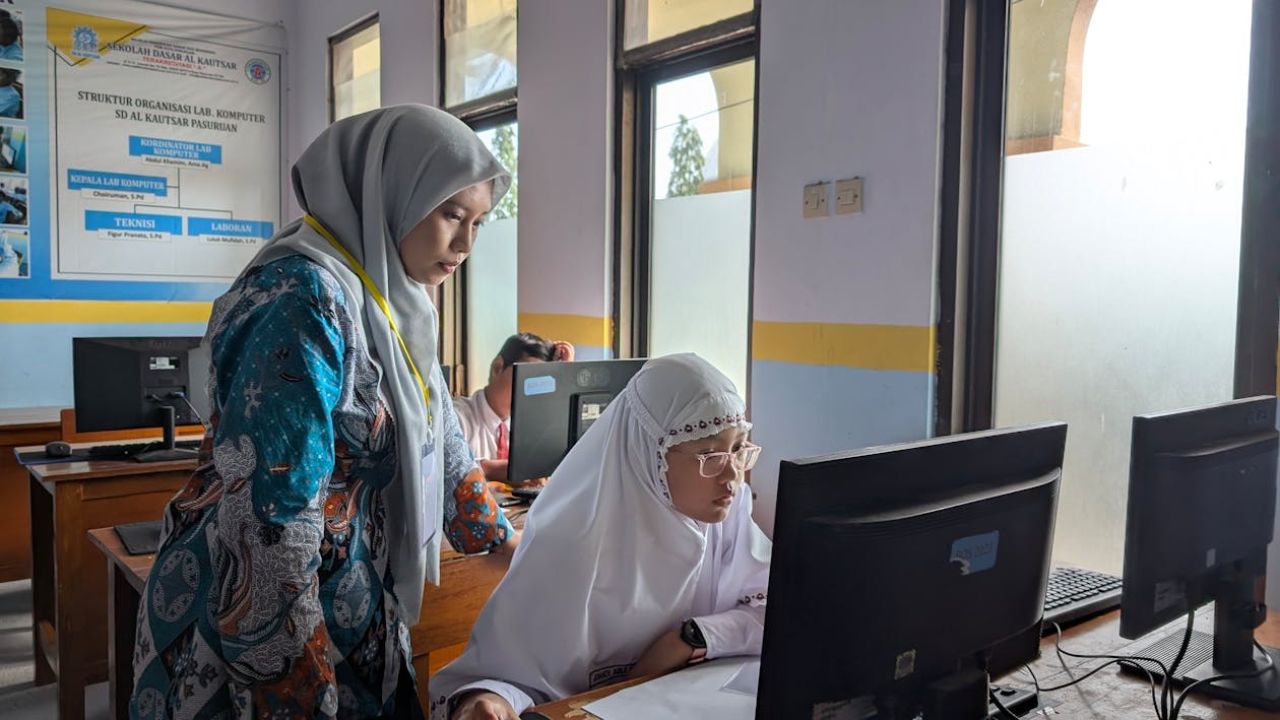
Photo source: Haidar Azmi/pexels.com
Language learning in Indonesian schools plays an important role in connecting students with both local and global cultures.
For foreign families, understanding how languages are taught helps children adjust more easily to a new environment.
Most schools in Indonesia focus on Bahasa Indonesia as the main language, while English and regional languages are also part of the curriculum.
This multilingual system encourages not only communication skills but also cultural awareness.
Whether you’re planning to move to Indonesia or exploring its education system, this guide will give you a clear picture of how language learning works across Indonesian schools.
In this article
Bahasa Indonesia as the Foundation
In Indonesia, Bahasa Indonesia is not only the national language but also the heart of daily communication across the country’s diverse cultures.
Every school, from kindergarten to high school, uses it as the main medium of instruction.
This ensures that students from different backgrounds can communicate effectively and share a common identity as Indonesians.
For foreign students, learning Bahasa Indonesia is often the first step toward feeling connected to local life.
Many private and international schools offer Indonesian as a Second Language (ISL) classes designed to help non-native speakers adjust smoothly.
These programs focus on conversational Indonesian, basic grammar, and cultural context, making it easier for children to interact with classmates and teachers.
Over time, language learning in Indonesian schools helps expat children gain confidence and feel at home in their new environment.
Check out this guide: How to Start Teaching English in Indonesia for Foreigners: Tips and Requirements
English as a Key Second Language
English holds an important place in the Indonesian education system.
It is commonly introduced at the elementary level and becomes a core subject in secondary schools.
The emphasis on English is aimed at preparing students for global opportunities, higher education, and cross-cultural communication.
In private and international schools, English is often used as the main medium of instruction, especially for science, mathematics, and social studies.
Teachers are trained to combine local context with global standards, ensuring students can think critically and communicate effectively in both English and Indonesian.
For expat families, this approach offers a smooth academic transition.
Children can continue learning in English while gradually adapting to Bahasa Indonesia and local customs.
This bilingual balance is one of the main strengths of language learning in Indonesian schools today.
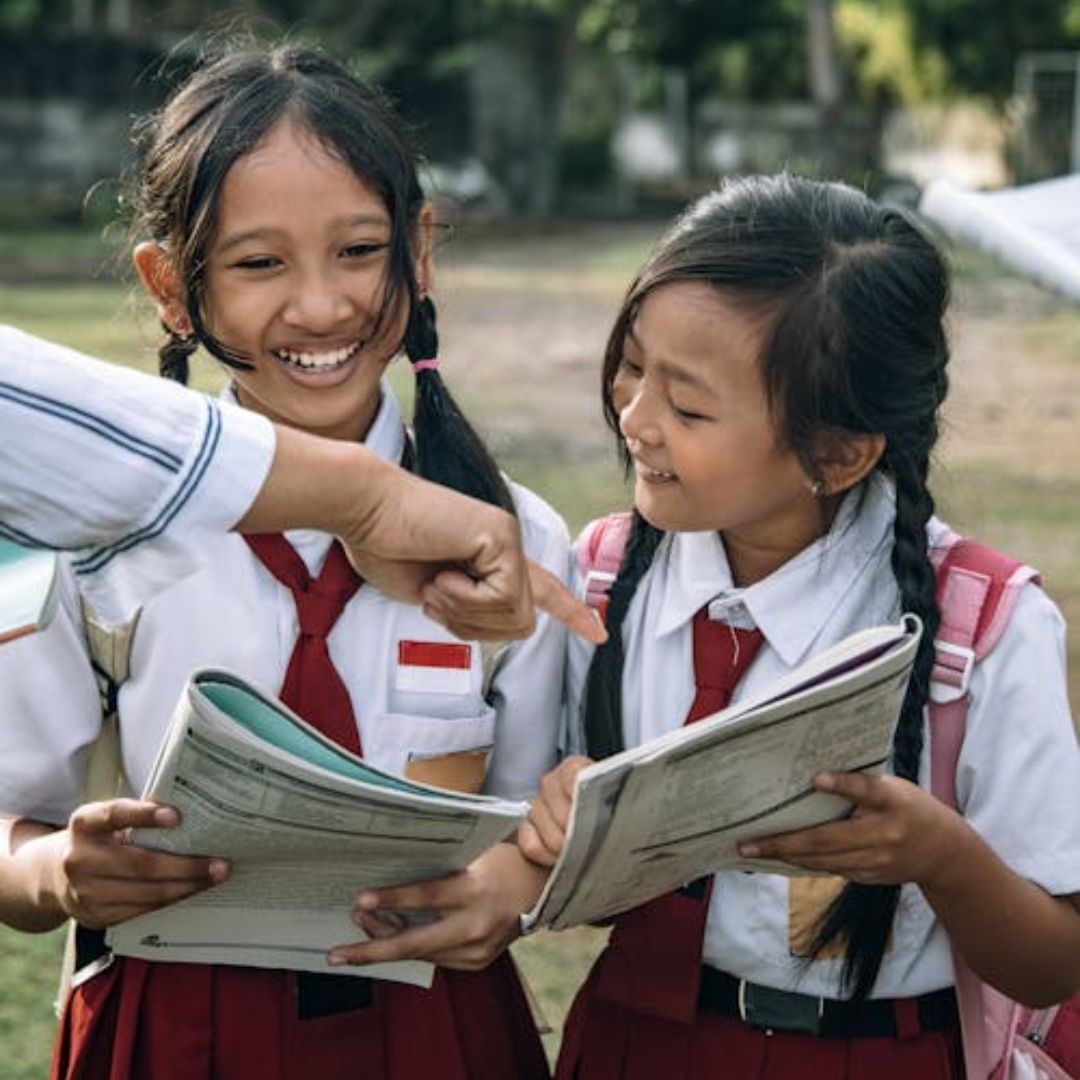
Photo source: ROMAN ODINTSOV/pexels.com
Regional Languages in the Curriculum
Indonesia’s cultural diversity is reflected in its languages.
Besides Bahasa Indonesia and English, many regions teach local or regional languages such as Javanese, Sundanese, Balinese, or Minangkabau.
These lessons are not just linguistic — they also promote values, traditions, and regional pride.
While public schools in certain provinces are required to include regional language classes, private and international schools often introduce them through cultural activities or electives.
For foreign students, exposure to these languages provides a unique cultural insight and a deeper appreciation of Indonesia’s multicultural society.
Learning a few simple words in a local dialect can go a long way in building friendships and showing respect to local communities.
Check out this guide: 7 Recommended Homeschooling Options for Expats Families in Indonesia
Bilingual and International Schools
In major cities such as Jakarta, Surabaya, and Bali, bilingual and international schools have become the preferred choice for many expat families.
These schools combine global curricula like Cambridge, International Baccalaureate (IB), or the Australian curriculum with local language studies.
Students often speak both English and Bahasa Indonesia throughout the day, switching naturally between the two.
This multilingual environment helps students build strong communication skills in both languages.
Moreover, bilingual education supports cognitive flexibility, problem-solving, and cross-cultural understanding — skills that are highly valued in the modern world.
For foreign families, enrolling children in a bilingual school offers the best of both worlds: international-quality education and meaningful local immersion through structured language learning in Indonesian schools.
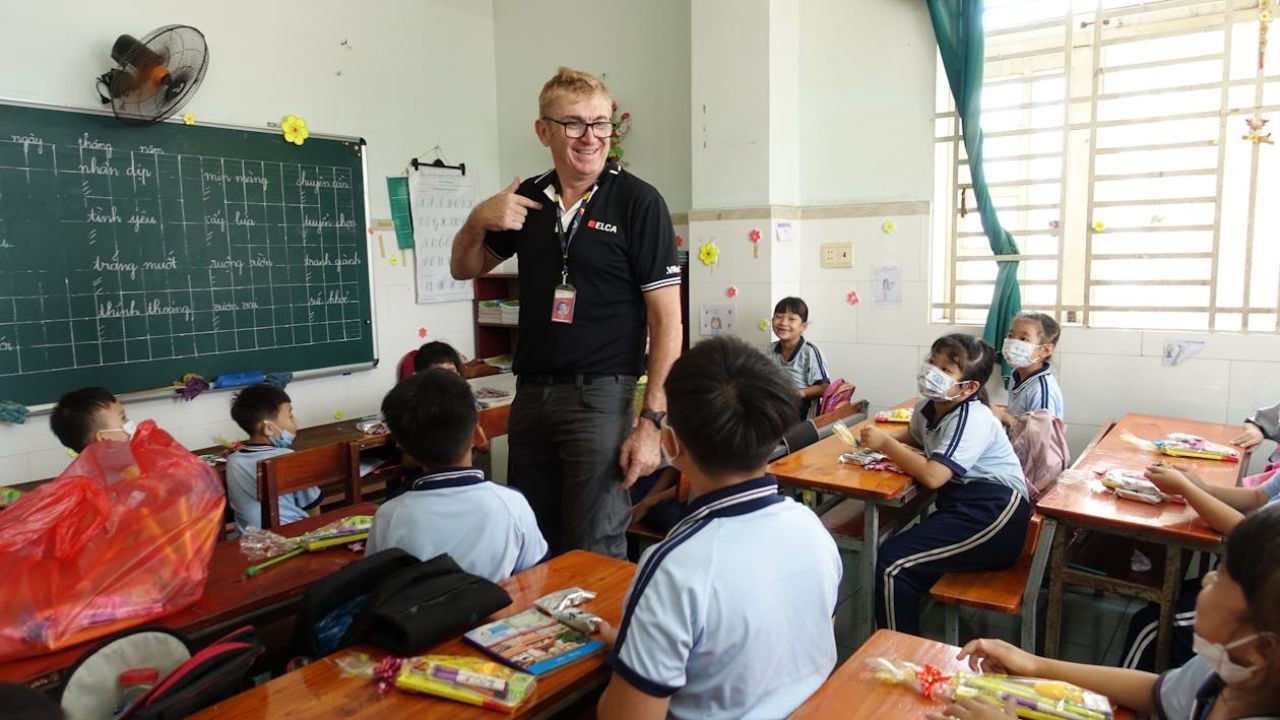
Photo source: Teacher Ray You – Get It! /pexels.com
Language Teaching Methods
Language learning in Indonesian schools has evolved significantly over the years.
Traditional grammar-based instruction is now often combined with more interactive and student-centered methods.
Teachers use songs, games, role-playing, and digital media to make learning fun and effective, especially in the early grades.
At higher levels, project-based learning and communicative approaches are increasingly common.
Students are encouraged to express opinions, write creatively, and engage in discussions in both English and Bahasa Indonesia.
In many schools, language labs, reading corners, and online learning platforms are also available to support independent study.
This blend of modern and traditional teaching strategies helps students develop not only linguistic accuracy but also confidence and fluency in real-life communication.
Check out this guide: 7 Best International Schools in Jakarta with Modern Facilities and Detailed Fees
Extracurricular Language Activities
Beyond the classroom, schools in Indonesia provide numerous extracurricular opportunities to practice language skills.
English debate clubs, speech contests, drama performances, storytelling competitions, and cultural exchange programs are popular in both public and private schools.
These activities give students a chance to apply what they have learned in meaningful contexts. They also foster teamwork, leadership, and creativity — qualities that complement academic learning.
For expat children, joining these clubs can accelerate adaptation and provide a natural way to make friends while improving language proficiency.
The Role of Parents and Community
Parental involvement plays a vital role in supporting language learning in Indonesian schools.
Teachers often encourage parents to create a language-rich environment at home by reading books, watching educational shows, or engaging in simple conversations in both English and Bahasa Indonesia.
Expat parents can also help by learning basic Indonesian phrases, attending school events, and encouraging children to interact with local friends outside of class.
This daily exposure reinforces what students learn at school and strengthens their confidence in using multiple languages.
The community also contributes significantly.
In many neighborhoods, local residents are welcoming and patient with foreign families, offering plenty of informal opportunities to practice Bahasa Indonesia in everyday settings — from markets and playgrounds to community gatherings.
***
Understanding language learning in Indonesian schools helps foreign families prepare their children for both academic success and cultural adaptation.
The multilingual environment — combining Bahasa Indonesia, English, and sometimes regional languages — reflects the country’s diversity and openness to global perspectives.
Whether your child attends a local, bilingual, or international school, each offers valuable opportunities to grow linguistically and socially.
For expat parents, supporting this learning journey at home and engaging with the school community can make a big difference. It not only helps children adjust faster but also deepens their appreciation of Indonesia’s rich culture and warm people.
If you’re planning to move to Indonesia and are looking for a comfortable place to live near reputable schools, you can explore trusted listings on Rumah123.
Whether you’re searching for an apartment for rent in Central Jakarta or a house for rent in Denpasar, Rumah123 makes it easy to find a home that fits your family’s needs and lifestyle.