


 Download Aplikasi Rumah123
 Cari Agen
 Aset Bank
 Explore
 Berita
 Bantuan
 Download Aplikasi
Telemedicine in Indonesia for Expats: What You Should Know
Published on October 24, 2025 · 6 min read · by Imam

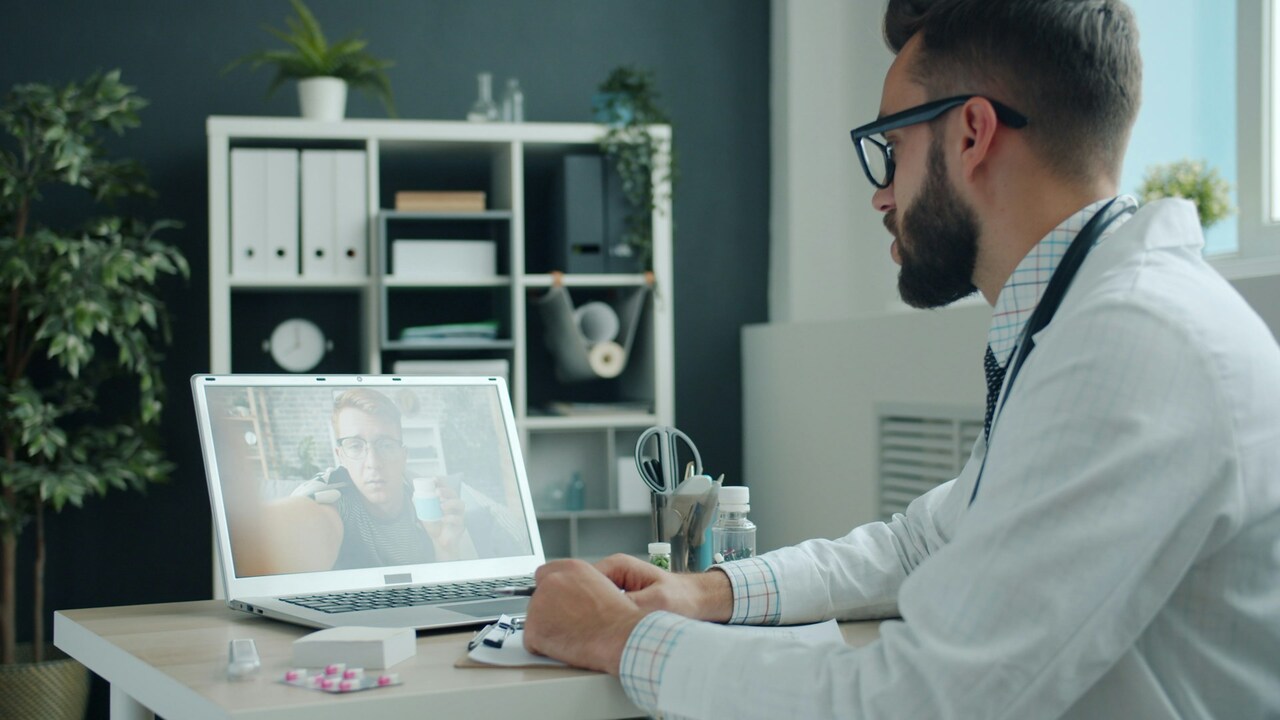
Telemedicine in Indonesia for expats. Photograph: Vitaly Gariev
For expats living in Indonesia, telemedicine has become more than just a convenience. It can be an important part of healthcare, especially when you’re far from home, busy, or need access to specialists.
This article walks you through what telemedicine looks like in Indonesia: how it works, legal/regulatory issues, costs, how expats can use it safely, and what the limitations are.
Table of Contents:
What is Telemedicine & Why It’s Growing
Telemedicine refers to medical services delivered remotely, via chat, phone call, video call, or other digital tools, without needing a physical visit to a clinic.
It includes general health consultations, specialist advice, follow-ups, prescription renewals, mental health, sometimes lab or pharmacy services.
In Indonesia, adoption has surged especially since COVID-19, driven by necessity in remote islands, better internet/mobile coverage, and rising use of digital health platforms.
Key Telemedicine Providers in Indonesia
Some telemedicine platforms are popular among Indonesians and expats alike:
- Halodoc, Alodokter, SehatQ, KlikDokter etc. These are large platforms offering general practitioners and specialists via chat / voice / video.
- Yoi (Tirta Medical Centre) offers chat, video call with general or specialist doctors, medicine delivery, even “combo packages” that include meds.
- Bali Doc is particularly useful for expats/tourists in Bali. They offer English-speaking doctors, prescriptions, lab tests, and medicine delivery.
Looking for a place to stay while working in Jakarta’s CBD? The Elements Apartment offers an elegant, modern living experience right in the heart of Rasuna Epicentrum, Kuningan, one of Jakarta’s most established and well-planned neighborhoods.
Regulation & Legal Framework
To use telemedicine with confidence, expats should be aware of Indonesia’s robust legal environment:
Practitioner Licensing (STR & SIP)
Doctors and dentists who offer telemedicine services must hold a valid registration (STR – Surat Tanda Registrasi) and a practice permit (SIP – Surat Izin Praktik), as legally required for all medical practice in Indonesia under the Health Law (UU No. 17 of 2023). This ensures all practitioners meet the minimum competency standards.
Telemedicine Practice Standards
The practice of telemedicine is governed by regulations such as the Health Minister Regulation No. 20 of 2019 (concerning telemedicine among healthcare facilities) and other relevant Ministry of Health guidelines, which set standards for quality, service, and patient protection in digital care.
Patient Data Privacy and Confidentiality
Indonesia now has a strong legal framework for data protection, primarily governed by the Personal Data Protection Law (UU PDP No. 27 of 2022). This law requires platforms (as data controllers) to:
- Obtain explicit consent before processing sensitive data, including health records.
- Ensure medical confidentiality and strong data security measures.
Expats should ensure that the chosen platform adheres strictly to the UU PDP and medical secrecy standards to protect their sensitive health information.
Read more:
Health Insurance in Indonesia for Expats: The Complete Guide
Costs: What Expats Can Expect
Telemedicine in Indonesia for expats. Photograph: Vitaly Gariev
Telemedicine in Indonesia is generally significantly more affordable than services in North America or Western Europe. However, costs vary widely based on the provider (large commercial platform vs. hospital-integrated service), the doctor’s specialty, and whether medicine/delivery is included.
General Cost Estimates
| Consultation Service | Typical Price Range (IDR) | Specific Notes |
| General Practitioner (GP) via Chat/Video | Rp 20,000 – Rp 150,000 | The lower end (Rp 20,000–Rp 50,000) is common on major platforms (like Halodoc, Alodokter), often including promotional offers. Telemedicine services provided by private hospitals usually start higher (Rp 90,000+). |
| Specialist Doctor via Chat/Video | Rp 150,000 – Rp 450,000 | Consultations with specialists on large platforms or regional/state-run hospitals generally fall within this range. Prices at premium private hospitals or for highly specialized fields may reach the upper limit. |
| Subscription Packages | Starting from Rp 32,500 per month | Some platforms offer annual subscriptions for unlimited access to general practitioners and specialists via chat. |
Financial Considerations for Expats
Medication and Delivery
The cost of the prescription medication and the delivery fee (ongkir) are almost always separate from the consultation fee. However, look out for promotions where platforms offer free delivery.
Health Insurance
Expats should verify if their local or international health insurance plan specifically covers or reimburses telemedicine consultation fees and medication costs. Reimbursement policies can vary greatly.
Connectivity Costs
Consider the reliability and cost of your internet/data plan, especially if you anticipate using video calls, which consume more data than chat consultations.
How Expats Can Use Telemedicine Effectively
Here are best practices:
- Choose platforms with English-speaking doctors (or those you can communicate with clearly). Bali Doc is one example. It helps avoid miscommunication.
- Check credentials. Verify the provider’s registration (STR, SIP) and whether specialists are licensed in their field. Reliable platforms publish credentials.
- Understand prescription and medicine delivery. Some platforms can send meds to your location; others may only issue e-prescriptions for pharmacy pickup. For serious illnesses, an in-person visit might be required.
- Review privacy & confidentiality policies. Especially when sharing medical data, photos, or test results.
- Be aware of limitations. Not all conditions can be diagnosed remotely. Emergencies, surgeries, physical exams need in-person care. Also, diagnostic labs or imaging often require going to a clinic/hospital.
Experience high-end living at Cluster Richmond, Kota Wisata Cibubur – where premium design meets unbeatable accessibility. Just 1 minute from the Nagrak Toll Gate and 18 minutes to the LRT Station.
Risks & Limitations
- Quality and reliability of internet connection: video calls may suffer lag or drops, especially in rural or island areas.
- Regulatory ambiguity: while there are regulations, enforcement and consistency might vary. Some platforms may not fully comply.
- Misdiagnosis risk: without in-person examination, some symptoms can be misread.
- Drug delivery & import restrictions: certain meds might be harder to get or require specific approvals.
- Insurance coverage: not all insurance policies cover telemedicine; check yours (especially international policies).
*
For expats, telemedicine in Indonesia offers practical, cost-effective and increasingly robust options for everyday healthcare needs.
It’s not a full substitute for physical clinics, but used properly it can help with everything from follow-ups to general medical advice, mental health support, and minor illnesses.
If you’re moving here or already living in Indonesia, make sure to pick trusted platforms (with English support if needed), keep your medical records accessible, have a good internet connection, and verify your insurance.
With those in place, telemedicine can become one of your best tools in staying healthy without constantly commuting or navigating unfamiliar health systems.