


 Download Aplikasi Rumah123
 Cari Agen
 Aset Bank
 Explore
 Berita
 Bantuan
 Download Aplikasi
Understanding Lease Agreements in Indonesia
Published on October 29, 2025 · 4 min read · by Imam
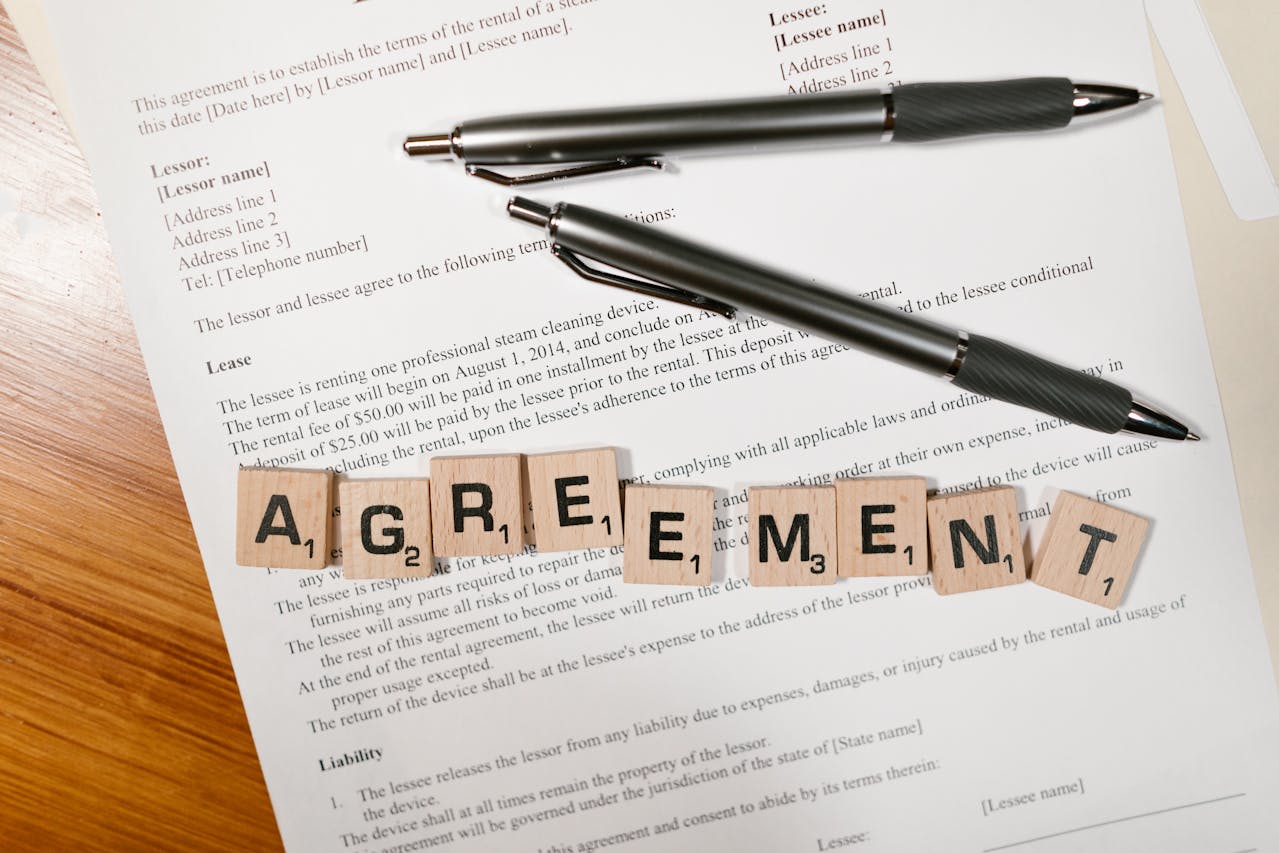
Understanding lease agreements in Indonesia. Photograph: RDNE Stock project via Pexels
Renting or leasing property in Indonesia, whether for living or investing, comes with a unique mix of local practices, legal nuances, and cultural expectations.
To keep it clear and trustworthy, here’s what you need to know.
Table of Contents:
Lease Terms & Payments
Standard Terms
Residential leases in Indonesia typically run 1 to 3 years, sometimes longer for properties in high-demand areas. Commercial leases may extend even further.
Payment Structure
Most landlords ask for rent paid upfront, often for 1–2 years in advance, especially in expat-oriented housing.
However, a growing number of rentals now allow monthly payments or partial upfront payment, thanks to tenant negotiations.
Currency Note
Even if rent is quoted in USD, payments are made in Indonesian Rupiah (IDR), using the exchange rate at the time of signing.
Looking for a place to stay while working in Jakarta’s CBD? The Elements Apartment offers an elegant, modern living experience right in the heart of Rasuna Epicentrum, Kuningan, one of Jakarta’s most established and well-planned neighborhoods.
Common Lease Clauses to Watch
A solid lease agreement should clearly cover:
Security Deposits
Usually 1–2 months’ rent, refundable if all conditions are met.
Maintenance and Repairs
Minor issues (under a certain cost) often fall to tenants; major fixes are the landlord’s responsibility, unless otherwise negotiated.
Having a withholding arrangement equal to a month’s rent can be smart.
Rent Increases & Renewals
Lease renewal is generally possible, with an annual rent increase that typically ranges from 5–10%.
This amount is highly flexible and depends on market conditions, and it can usually be negotiated directly with the landlord.
Read more:
Average Apartment Size in Jakarta: Costs and Best Areas for Expats
Subleasing
Subleasing is generally prohibited in Indonesian lease agreements unless it is explicitly permitted by the landlord and clearly stated in the contract.
If you plan to sublease the property to someone else, you must get written consent from the landlord beforehand to avoid a breach of contract.
Residential vs. Land Leases (Bali Focus)
Understanding lease agreements in Indonesia. Photograph: SHVETS production via Pexels
Residential Leases
Common for expats renting homes or apartments, governed by the Civil Code and often include the above terms.
Land leases (Hak Sewa / Leasehold)
For long-term land agreements, especially in Bali, lease terms range from 25 to 50 years, with proper renewal clauses essential.
These are notarized and may be registered with local land offices for added protection.
Rights & Responsibilities
Whether you’re renting a flat in Jakarta or leasing land in Bali, both parties share clear obligations:
Landlord Responsibilities
Must ensure property is habitable, handle structural repairs, pay land taxes, and legally validly transfer rights.
Tenant Responsibilities
Include timely rent payments, allowing reasonable access, and maintaining the property per agreement.
If the landlord sells the property, registered leases remain valid, which highlights the importance of notarizing and, if possible, registering the agreement.
Read more:
Understanding the Difference Between Kos and Apartment in Indonesia
Red Flags & Common Mistakes
Here are some real-world lessons from expat forums and property guides:
- Verbal agreements are risky: Always insist on a written lease, preferably notarized, especially for long-term leases.
- Beware of incomplete contracts: Make sure the lease includes key terms, duration, deposits, renewal options, and maintenance responsibilities.
- Document the property condition: Take photos and note pre-existing damage to protect your deposit.
- Avoid nominee structures: Letting an Indonesian friend hold property in their name is legally unsafe, it offers little actual protection.
Understanding lease agreements in Indonesia is all about balancing protection with flexibility.
Whether you’re renting a furnished apartment in Jakarta or leasing land for a villa in Bali, always review your lease carefully, negotiate fair terms, and get everything in writing.
That way, your home in Indonesia becomes a secure and welcoming place, just the way it should be.