


 Download Aplikasi Rumah123
 Cari Agen
 Aset Bank
 Explore
 Berita
 Bantuan
 Download Aplikasi
5 Recommended Vaccinations in Indonesia for Expats to Stay Healthy and Safe
Published on October 30, 2025 · 4 min read · by Nik Nik Fadlah
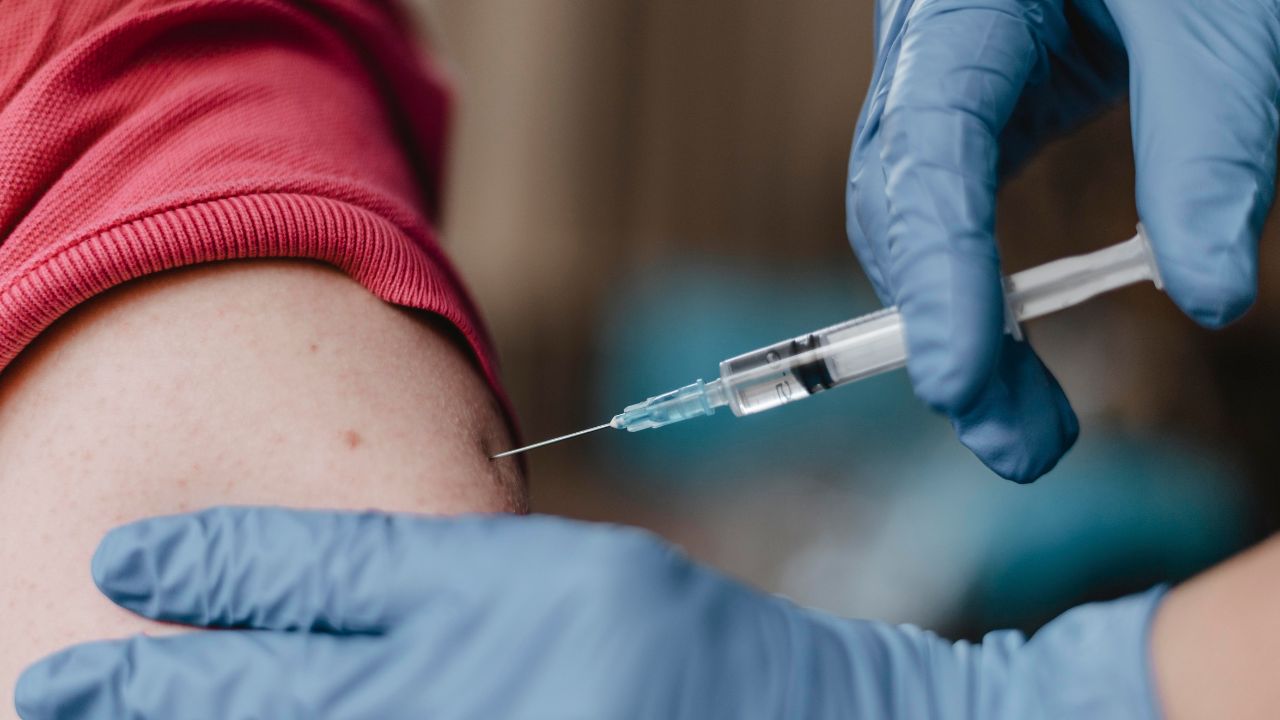
Moving to Indonesia offers endless adventures, but staying healthy should always be a top priority.
For expats, understanding the country’s vaccination requirements isn’t just about following regulations, it’s about protecting yourself from tropical diseases and enjoying peace of mind while embracing life in this vibrant archipelago.
Whether you’re settling in Jakarta, Bali, or beyond, knowing which vaccinations are required and where to get them will help you begin your new chapter in Indonesia with confidence.
Let’s explore the recommended vaccinations in Indonesia for expats below!
The Importance of Vaccinations in Indonesia for Expats

Source: Freepik.com/Tirachardz
Traveling or living in another country exposes you to new climates, environments, and foods.
Vaccines help your immune system learn how to defend itself against harmful germs, keeping you and your family protected from illness and preventing the spread of disease to local communities.
With Indonesia’s tropical climate and varying sanitation standards, being vaccinated is especially important to protect against diseases such as typhoid and hepatitis.
Staying up to date with your vaccinations not only safeguards your health but also gives you peace of mind as you explore and enjoy life in this beautiful archipelago.
Recommended Vaccinations in Indonesia for Expats

Source: Freepik.com/Freepik
For standard immunizations, expats should ensure they are up to date with the measles, mumps, and rubella (MMR) vaccine.
But that’s not all, it’s also recommended to receive additional vaccines, including:
1. Hepatitis A
Hepatitis A is transmitted through contaminated food, water, or close contact with an infected individual.
Because the prevalence of Hepatitis A in Indonesia is still relatively high, this vaccination is strongly recommended.
Ideally, you should receive it at least two weeks prior to your arrival in Indonesia.
2. Tetanus, Diphtheria, and Pertussis (Tdap)
The Tetanus, Diphtheria, and Pertussis (Tdap) vaccine is essential for adults, especially those who haven’t received a booster within the last 10 years.
Tetanus can be transmitted through open wounds exposed to soil or rusty metal, while Diphtheria spreads through respiratory droplets or direct contact with an infected person.
Pertussis also known as whooping cough is highly contagious and can be transmitted through coughing or sneezing.
It’s strongly recommended to get this vaccine, especially if you enjoy outdoor activities or may come into contact with potential sources of infection.
3. Typhoid Fever
Typhoid fever is a bacterial infection transmitted through contaminated food or water, which can sometimes occur in developing regions, including parts of Indonesia.
Getting the typhoid vaccine helps protect you from serious illness that can cause prolonged fever, fatigue, and digestive issues.
Whether you’re enjoying street food or exploring rural areas, being vaccinated allows you to experience Indonesia’s rich cuisine and travel safely without worrying about infection.
4. Rabies
The next recommended vaccination for expats in Indonesia is rabies.
Rabies can be transmitted through infected animals such as dogs, monkeys, bats, or other mammals, usually via contact with their saliva through bites, scratches, or open wounds.
This vaccination is crucial for expats because rabies is still present in many parts of Indonesia, including popular tourist destinations like Bali.
Getting vaccinated before or shortly after arriving provides essential protection, especially if you plan to live in rural areas, travel frequently, or have close contact with animals.
5. Hepatitis B
For expats, it is also important to get the Hepatitis B vaccination in Indonesia.
Unlike Hepatitis A, Hepatitis B is transmitted through blood or bodily fluids, often from sharing needles, or undergoing medical or dental procedures with non-sterile equipment.
In Southeast Asia, including Indonesia, Hepatitis B remains relatively common.
For expats who plan to live, work, or travel extensively across the country, getting vaccinated is essential to ensure safety during medical care, daily activities, and close interactions.
***Header: Freepik.com/Freepik