


 Download Aplikasi Rumah123
 Cari Agen
 Aset Bank
 Explore
 Berita
 Bantuan
 Download Aplikasi
Property Lease vs Hak Milik Comparison for Foreigners
Published on December 26, 2025 · 5 min read · by Ilham Budiman

Property lease vs hak milik comparison for foreigners is an important topic for anyone planning to own or use property in Indonesia.
Foreigners often face different legal rules compared to local citizens, especially when it comes to land ownership.
Understanding the differences between property lease and hak milik can help foreigners make better decisions, avoid legal problems, and choose the option that fits their long-term plans.
In Indonesia, land ownership laws are strict, and not all property rights are available to foreigners.
Because of this, many expatriates, investors, and long-term residents need clear information before buying or leasing property.
Property Lease vs Hak Milik
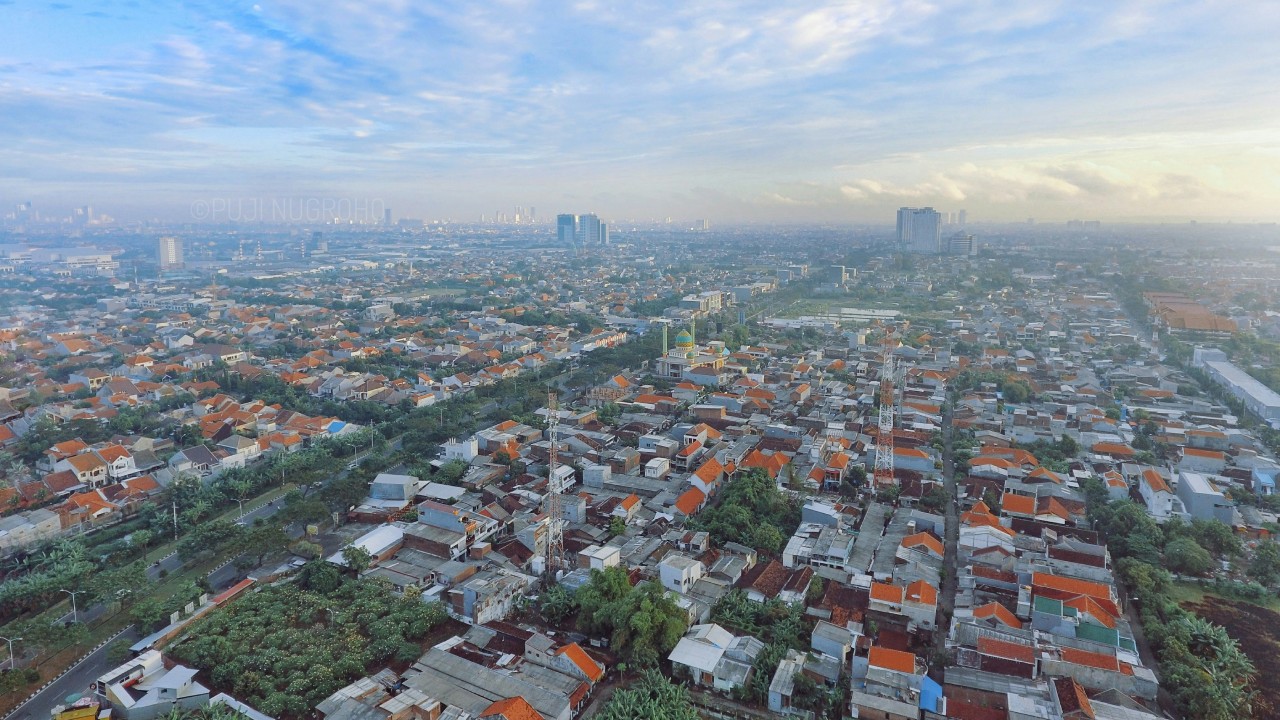
Unsplash/Puji Nugroho
1. Understanding Property Lease in Indonesia
Property lease is one of the most common options for foreigners in Indonesia.
A lease allows you to use a property for a certain period, usually ranging from 20 to 30 years, with options to extend.
This type of agreement does not give ownership of the land, but it gives awareness and legal permission to live in or use the property.
One advantage of property lease is flexibility.
Foreigners can legally live in or use property in Indonesia without violating ownership restrictions under the Basic Agrarian Principles (Undang-Undang Pokok Agraria/UUPA).
Lease agreements are also easier to arrange and often involve lower upfront costs compared to buying land. However, the main limitation is time.
Once the lease period ends, you must renew it or return the property to the owner.
2. Understanding Hak Milik and Its Limitations
Hak milik is the strongest form of land ownership in Indonesia.
It gives full and permanent ownership rights over land and buildings. However, under Indonesian law, hak milik is strictly limited to Indonesian citizens.
The legal basis for this restriction is clearly stated in Law No. 5 of 1960 on Basic Agrarian Principles (UUPA).
Article 21 paragraph (1) of the UUPA states that only Indonesian citizens are allowed to hold hak milik rights.
Furthermore, Article 26 paragraph (2) explains that any transfer of hak milik to a foreign national is legally invalid and can result in the land reverting to the state.
Because of this regulation, foreigners are not allowed to buy or own property under hak milik in their own name.
Any attempt to bypass this rule, such as using a local nominee, is considered illegal and carries high legal risks.
These arrangements are not protected by law and may lead to disputes, loss of property, or cancellation of ownership rights.
For this reason, hak milik is not a safe or legal option for foreigners.
Instead, foreign nationals must choose alternative property rights that are permitted by Indonesian law, such as property lease or hak pakai, which offer legal certainty without violating ownership regulations.
Property Lease vs Hak Milik Comparison for Foreigners
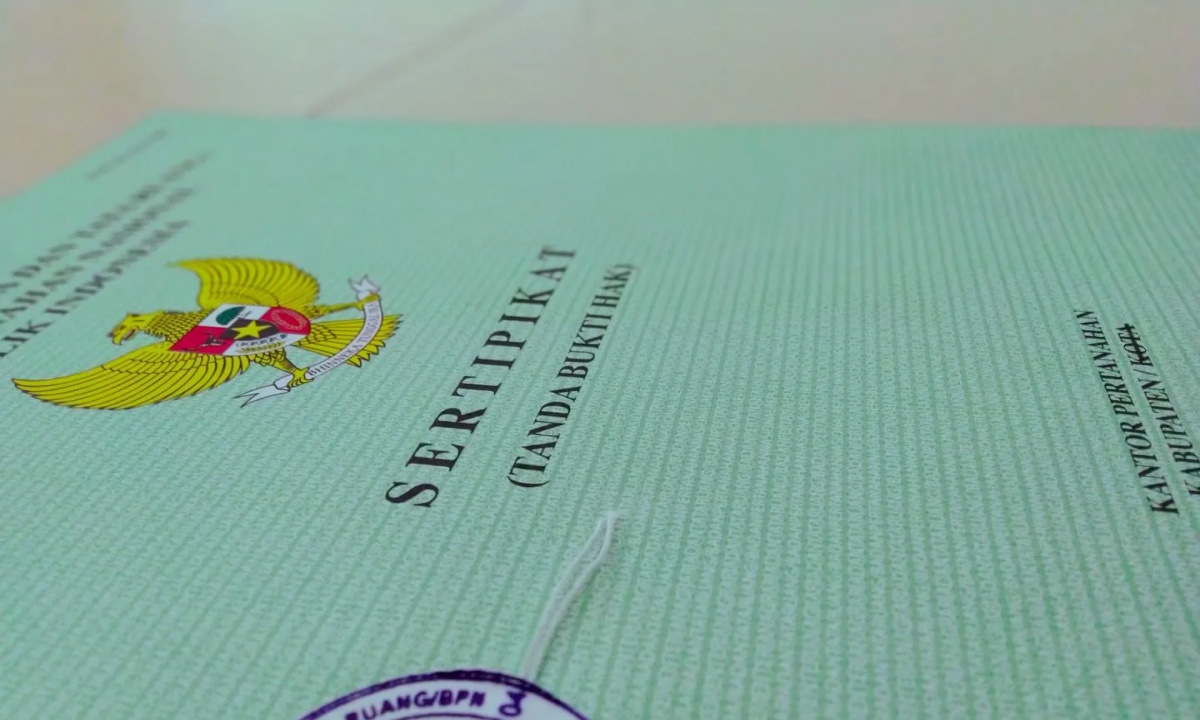
rumah123.com
When looking at property lease vs hak milik comparison for foreigners, the main difference is ownership versus usage rights.
A lease gives the right to use, while hak milik gives full ownership.
For foreigners, property lease is legally safe and widely accepted, while hak milik is not accessible.
Read more:
Understanding the Land Certificate Process in Indonesia for Foreigners
Another difference is cost.
Property lease usually requires a large payment upfront for a long period, but it is still often cheaper than purchasing land under hak milik.
Maintenance and property taxes may also differ, depending on the agreement with the owner.
In terms of security, hak milik offers long-term certainty for Indonesians, while property lease depends heavily on contract clarity.
Foreigners must ensure the lease agreement is clearly written, legally registered, and includes extension terms.
Legal Options Available for Foreigners
Besides property lease, foreigners may also consider hak pakai.
Hak pakai allows foreigners to use land under certain conditions and is legally recognized by Indonesian law.
While not as strong as hak milik, hak pakai offers better security than a simple lease.
Read more:
Lease Agreements in Indonesia for Expatriates: A Simple Guide to Renting Property Legally
However, property lease remains popular because of its simplicity and flexibility.
It is commonly used for residential homes, villas, and commercial properties in tourist areas.
Factors to Consider Before Choosing

Unsplash/Towfiqu barbhuiya
Before deciding between property lease and other options, foreigners should consider how long they plan to stay in Indonesia, their budget, and their purpose for the property.
Short-term residents may find leasing more practical, while long-term residents may explore hak pakai.
It is also important to consult a legal expert who understands Indonesian property law.
This helps ensure that contracts follow legal standards and protect your rights as a foreigner.
Conclusion
Property lease vs hak milik comparison for foreigners shows clear differences in rights, risks, and legal access.
Since hak milik is not available to foreigners, property lease becomes a practical and legal solution for living or investing in Indonesia.
By understanding these differences and choosing the right option, foreigners can enjoy property ownership benefits while staying compliant with local laws.