


 Download Aplikasi Rumah123
 Cari Agen
 Aset Bank
 Explore
 Berita
 Bantuan
 Download Aplikasi
BPJS for Foreigners in Indonesia | Expat Guide
Published on November 4, 2025 · 5 min read · by Imam
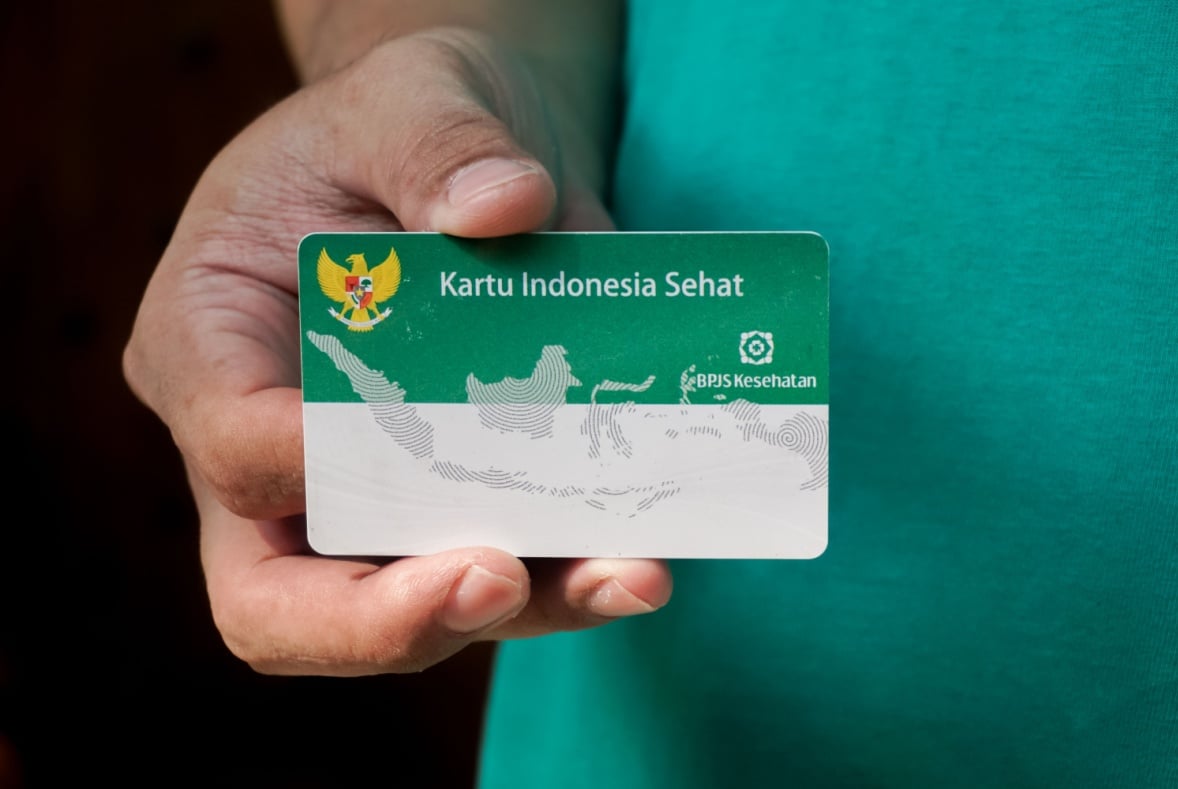
BPJS for foreigners. Photograph: blog.bankmega.com
If you’re living or planning to live in Indonesia, one important piece of the puzzle is health coverage.
The national scheme, BPJS Kesehatan, often raises questions for expatriates: Am I eligible? What are the rules? How does it compare to private insurance? Let’s break it down.
Table of Contents:
What is BPJS Kesehatan for Expats?
BPJS Kesehatan is Indonesia’s public health-insurance programme under the umbrella of the national Jaminan Kesehatan Nasional (JKN) system.
While primarily designed for Indonesian citizens, the legislation explicitly includes foreign workers who meet certain conditions.
As of mid-2025, over 124,000 foreigners are registered participants in the scheme, according to indonesiaexpat.id.
That means if you’re working and residing in Indonesia long-term, BPJS Kesehatan could be part of your health-insurance setup.
Who is Eligible (and Who isn’t)
Eligible
- Foreign nationals employed formally in Indonesia, or those with residence permits (KITAS/KITAP) and registered with employment for a minimum of 6 months.
- Foreigners whose employer registers them under BPJS Kesehatan, consistent with the law requiring formal workers to enrol.
Not Eligible (or at Least Problematic)
- Short-term visitors or tourists — the scheme is not designed for short stay, informal work or casual residency.
- Some retirees or visa holders without formal employment may find eligibility unclear; always check your scenario carefully.
What It Covers & How It Works
Once enrolled, foreigners enjoy essentially the same coverage as Indonesian citizens under the JKN/BPJS scheme.
This includes:
- Primary healthcare and referrals to specialist/ hospital care.
- Diagnostics, drugs at partner pharmacies, ambulance services in many cases.
- Preventive, curative and rehabilitative services.
But there are important limitations to be aware of — some surgeries or high-end private hospital care may not be covered fully, and service quality can vary.
Read more:
JKN vs Private Insurance Indonesia: Which One Suits You Best?
Contribution & Cost (for Foreign Workers)
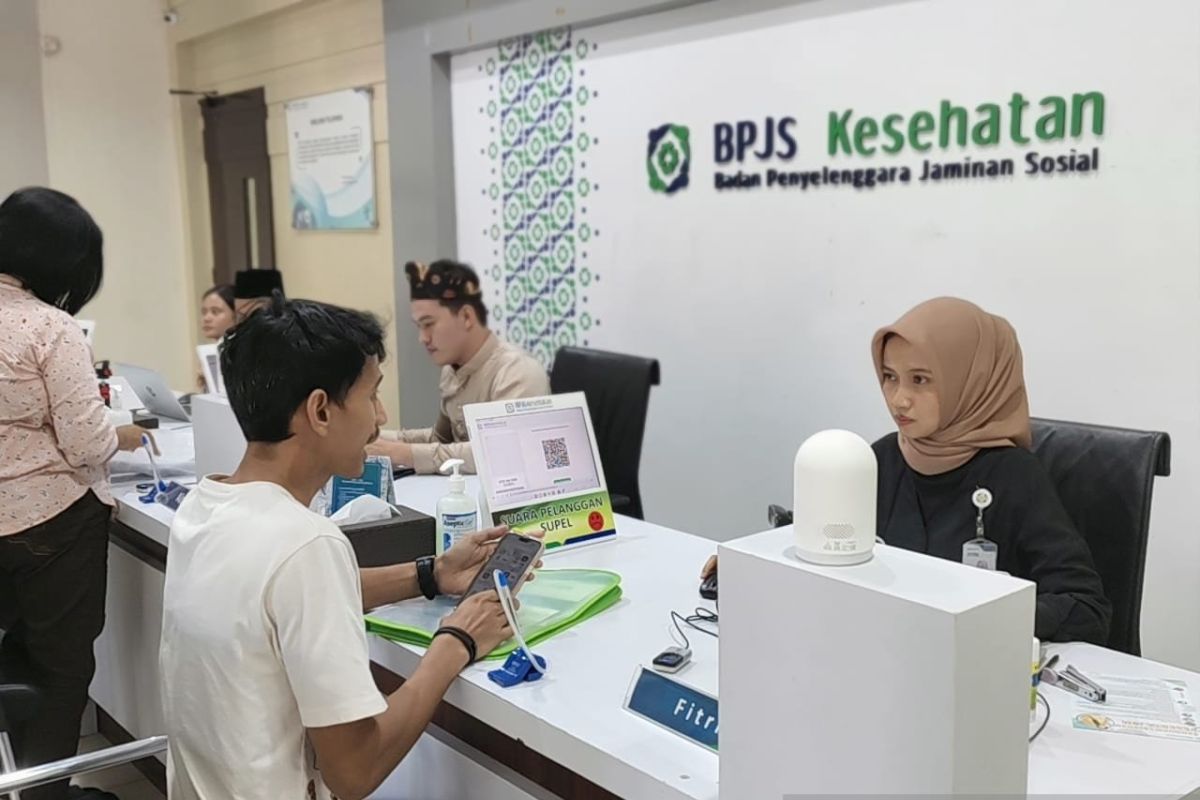
BPJS for foreigners. Photograph: antaranews.com
- For foreign workers under the “Pekerja Penerima Upah” (PPU) category, the contribution is 5% of basic monthly salary: 4% paid by employer, 1% by employee.
- Both foreigners and Indonesian citizens pay the same contribution rate under the law.
- One interesting point: BPJS Kesehatan reports that contributions from foreign participants actually exceed the costs of services they use.
How to Register & Practical Steps
- Check eligibility: ensure you have valid visa/residence permit & formal employment (or business investment) for 6+ months.
- Your employer is usually responsible for registering you if you’re working formally. They should submit data to BPJS Kesehatan.
- Once registered, you’ll receive your BPJS card / membership number, choose your primary health facility (FKTP), and then you can access covered services.
- Pay attention to monthly contributions and ensure they’re being paid — if payments lapse, your coverage may be suspended.
Looking for a place to stay while working in Jakarta’s CBD? The Elements Apartment offers an elegant, modern living experience right in the heart of Rasuna Epicentrum, Kuningan, one of Jakarta’s most established and well-planned neighborhoods.
Things Expats Should Keep in Mind
- Don’t rely solely on BPJS if you want high-end private hospital care or treatment in international standard facilities. Many expats pair BPJS with private insurance.
- Language and hospital standards vary: Public hospitals may have limited English-speaking staff; private hospitals often provide more comfort.
- Check the treatment exclusions: Some elective procedures, certain advanced surgeries or care abroad may not be covered.
- If you leave Indonesia temporarily and stop contributions, your cover might be impacted. Make sure to understand your situation if your residency changes.
- Keep documentation: Visa/residence permit, employment contract, BPJS card – maintain copies in case you need to prove eligibility.
- Employer responsibility: If you’re formal employee, your employer must register and pay contributions; delays or omissions can create risk.
Is BPJS Worth It for Foreigners?
Yes — if you’re working in Indonesia long-term, having valid residency/visa, and want a baseline public health coverage, BPJS Kesehatan is beneficial. It satisfies legal compliance, offers wide-ranging coverage and is cost-efficient relative to private premiums.
However, if you prioritize premium healthcare services, country-of-origin hospital standards, or specific treatments in elite private facilities, you’ll likely want to complement BPJS with private insurance.
Quick FAQ
- Can retirees join BPJS? It’s less clear. Some reports suggest non-working retirees may find registration difficult.
- Does BPJS cover private hospitals? Typically, coverage is for partner hospitals under JKN; many private hospitals may require top-up or private insurance.
- Can I register myself? Usually the employer handles registration if you’re working formally. Self-registration is more common for non-employees, but process is more complex.
- What if I stop working or change visa? Your eligibility may change; you may need to switch to a different category or exit the scheme depending on residency/permit status.