


 Download Aplikasi Rumah123
 Cari Agen
 Aset Bank
 Explore
 Berita
 Bantuan
 Download Aplikasi
Challenges of Doing Business in Indonesia: What Foreign Investors Need to Know
Published on October 28, 2025 · 4 min read · by Imam
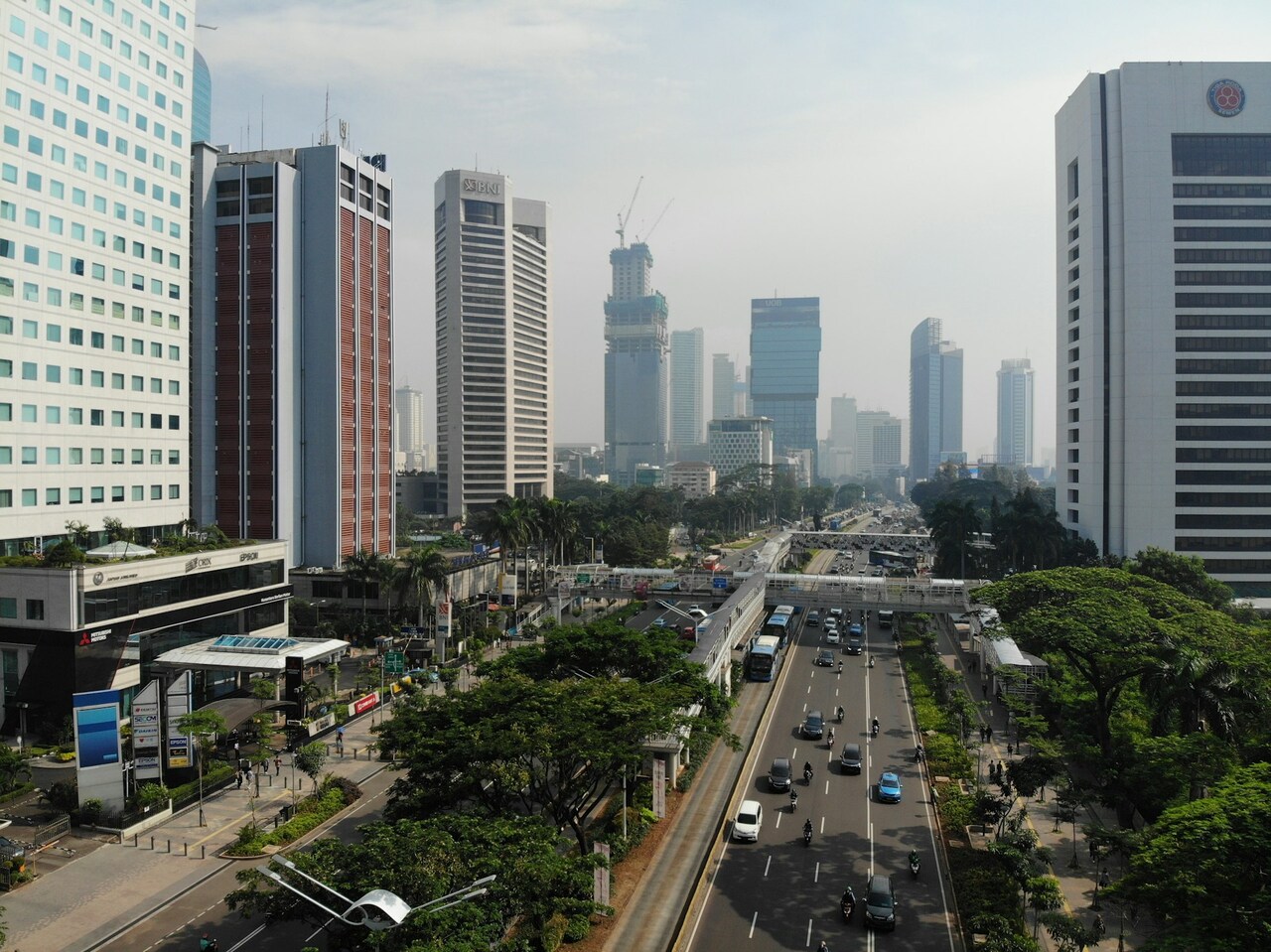
Challenges of doing business in Indonesia. Photograph: Afif Ramdhasuma via Unsplash
This article outlines the challenges of doing business in Indonesia that foreign investors may face and how to navigate them effectively.
Indonesia is one of the most promising emerging markets in Southeast Asia.
With over 270 million people, a rapidly expanding digital economy, and abundant natural resources, the archipelago offers vast opportunities for foreign businesses.
However, while the potential is great, doing business in Indonesia comes with its own set of challenges; some structural, some cultural.
Table of Contents:
Complex Bureaucracy and Licensing Procedures
One of the most cited challenges in Indonesia is bureaucratic red tape.
Despite improvements through initiatives like the Online Single Submission (OSS) system, many foreign investors still encounter delays, inconsistent processes, and changing regulations at the local and national levels.
Key issues include:
- Multiple layers of approval (national, provincial, and municipal).
- Different interpretations of laws by regional authorities.
- Varying timelines and fees depending on the locality.
While the OSS was designed to streamline business registration and licensing, technical glitches and lack of integration between ministries often cause setbacks.
Tap into a thriving captive market at Capital Cove
Restrictions on Foreign Ownership
Indonesia applies foreign ownership limitations in several business sectors.
While the Positive Investment List (Presidential Regulation No. 10/2021) has relaxed some restrictions, not all sectors are open to 100% foreign investment.
Examples:
- Healthcare, media, and certain logistics services may require local partners.
- Real estate and land ownership remain restricted for foreigners.
This can lead to the use of nominee structures or joint ventures, which may introduce legal or ethical risks if not properly structured.
Read more:
Property Ownership Laws for Expatriates in Indonesia
Legal Uncertainty and Changing Regulations
Indonesia’s regulatory environment can be unpredictable, especially for foreign businesses not familiar with local legal systems.
New laws or ministerial regulations can be issued with little notice, requiring swift adaptation.
Some examples:
- Sudden changes in import/export duties.
- New employment laws affecting foreign workers.
- Environmental or zoning regulations that vary by province.
To mitigate this risk, companies often partner with local legal advisors or consultants who can provide ongoing compliance updates.
Corruption and Informal Practices
Although the Indonesian government has made efforts to combat corruption, informal payments and non-transparent practices still exist, especially in regional or remote areas.
According to Transparency International’s 2023 Corruption Perception Index, Indonesia ranked 110 out of 180 countries.
Foreign investors may be particularly vulnerable due to lack of local connections and understanding of “unspoken” norms.
Strong internal controls and adherence to international compliance standards (e.g., FCPA or UK Bribery Act) are essential.
Cultural and Communication Barriers

Challenges of doing business in Indonesia. Photograph: UX Indonesia via Unsplash
Indonesia has a diverse cultural landscape, with thousands of ethnic groups and local customs.
While Bahasa Indonesia is the national language, language and communication styles can still present challenges, especially in non-metropolitan areas.
Business culture in Indonesia tends to be:
- Hierarchical, as decisions are often top-down.
- Indirect, as people may avoid saying “no” directly.
- Relationship-driven, trust and personal rapport matter more than formal contracts.
Understanding local etiquette, investing in cultural training, and building long-term relationships are key to success.
Surrounded by everything that matters — Iconix Infinite Studio Loft
Infrastructure and Logistics Gaps
Despite progress, logistics infrastructure, particularly outside Java and Bali, can hinder smooth business operations. Challenges include:
- Poor road and port infrastructure in remote regions.
- Uneven internet access and electricity reliability.
- High costs of inter-island shipping.
This is particularly relevant for industries like manufacturing, e-commerce, and agriculture.
Human Resources and Labor Regulation
Indonesia has a young and growing labor force, but skills mismatches and strict labor laws can pose challenges. Foreign companies often find:
- Shortage of highly skilled talent in engineering, finance, or tech.
- Complicated labor termination procedures.
- Limitations on hiring expatriates (work permit quotas and approval delays).
Investing in local talent development and understanding the Manpower Law (Law No. 13/2003) and Omnibus Law on Job Creation (Law No. 11 of 2020) is crucial.
Indonesia presents compelling opportunities for foreign investors but success requires patience, cultural adaptability, and legal awareness.
Many of the challenges: bureaucracy, regulatory changes, and infrastructure, can be managed with proper local partnerships, compliance support, and long-term strategic thinking.
Businesses that invest time in understanding the market, adapting to its complexities, and building genuine relationships are more likely to thrive in Indonesia’s dynamic economic environment.