


 Download Aplikasi Rumah123
 Cari Agen
 Aset Bank
 Explore
 Berita
 Bantuan
 Download Aplikasi
10 Cultural Differences in Daily Life in Indonesia You Should Know
Last updated October 24, 2025 · 5 min read · by Yongky Yulius
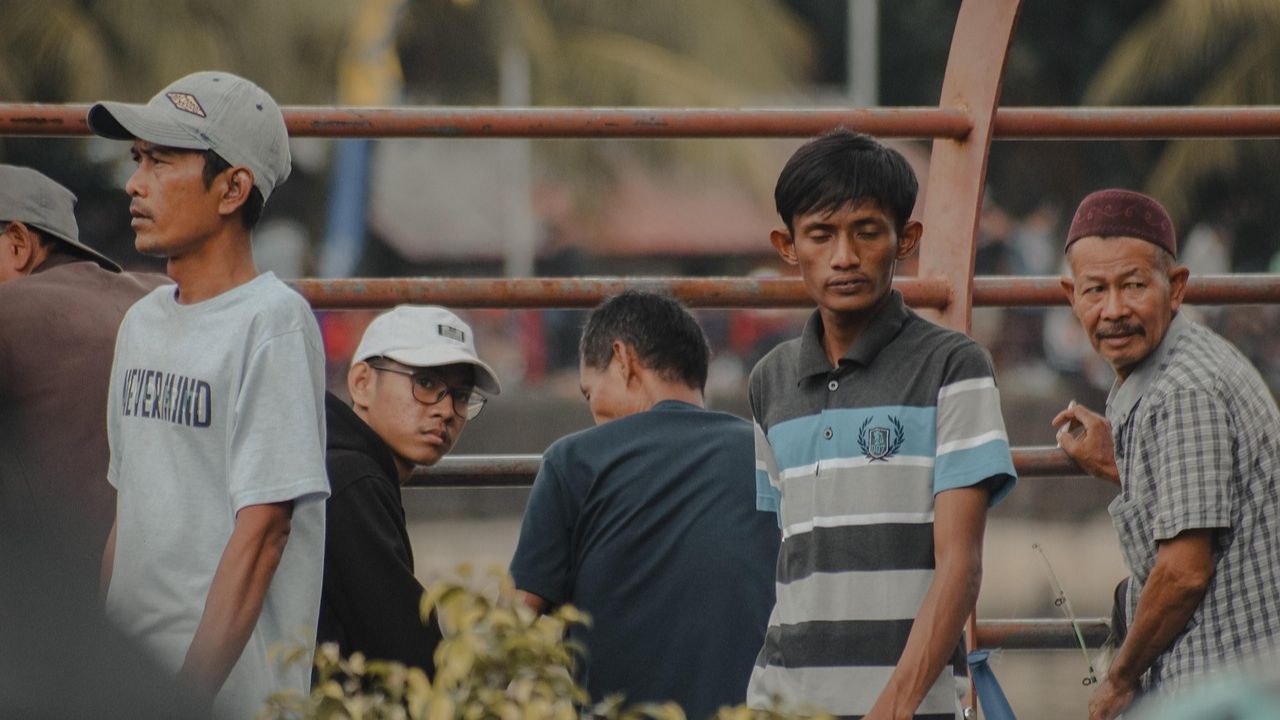
Cultural differences in daily life in Indonesia can be both fascinating and eye-opening for anyone who comes to live, work, or travel here.
From the way people greet each other to how they value time and community, these everyday customs reflect Indonesia’s deep cultural diversity.
By understanding and embracing these differences, you’ll find it easier to adapt, connect with locals, and truly appreciate the warmth and harmony that define life in Indonesia.
In this article:
- 1. Warm Greetings and Friendly Smiles
- 2. Strong Sense of Community
- 3. Respect for Elders and Hierarchy
- 4. “Jam Karet” – Flexible Concept of Time
- 5. Modesty in Dress and Behavior
- 6. Sharing Food as a Form of Connection
- 7. Indirect Communication Style
- 8. Religion and Spirituality in Everyday Life
- 9. Genuine Hospitality and Generosity
- 10. Balancing Tradition and Modern Life
1. Warm Greetings and Friendly Smiles
Cultural differences in daily life in Indonesia can be seen from the very first interaction with locals. Indonesians are known for their warmth and friendliness.
Greeting people with a smile or a simple “Halo” or “Apa kabar?” (How are you?) is part of daily life.
Unlike in some Western countries where personal space is emphasized, Indonesians enjoy casual small talk, even with strangers.
If someone asks where you are from or whether you enjoy Indonesian food, it is meant as a friendly gesture rather than an invasion of privacy.
Check out this guide: 7 Best Expat Communities in Bali and Jakarta
2. Strong Sense of Community
Community plays an important role in Indonesian life.
The concept of gotong royong, which means mutual cooperation, is a cornerstone of social values.
Neighbors often help each other during community events, weddings, or even simple neighborhood clean-ups.
For foreigners, this strong collective spirit can feel very different from more individualistic cultures.
Taking part in community activities is a great way to connect with locals and show respect for their traditions.

3. Respect for Elders and Hierarchy
Respect is deeply rooted in Indonesian society, especially toward elders and people of higher status
It is common to address others with titles such as “Pak” (Mr.) or “Bu” (Mrs./Ms.) as a sign of politeness.
Younger people usually speak softly, avoid interrupting, and may lower their head slightly when passing in front of an older person.
These simple gestures reflect humility and consideration, which are highly valued cultural traits.
4. “Jam Karet” – Flexible Concept of Time
In Indonesia, time is viewed in a more relaxed way.
The phrase jam karet, or “rubber time,” refers to the flexible attitude toward punctuality.
Meetings or social gatherings often start later than scheduled, and people rarely view this as rude.
This flexibility reflects a cultural focus on relationships and harmony rather than strict time management.
For expats used to tight schedules, it is helpful to adapt to this slower rhythm and enjoy the moment.
Check out this guide: 5 Coliving Spaces in Jakarta for Digital Nomads and Remote Workers
5. Modesty in Dress and Behavior
Modesty is an important aspect of Indonesian culture.
In many areas, dressing conservatively is a sign of respect.
Women usually cover their shoulders, and men tend to wear shirts with sleeves in formal or public settings.
Modesty also applies to behavior. Showing affection in public, speaking loudly, or displaying anger can be considered impolite.
Calm and respectful communication is appreciated in both social and professional environments.
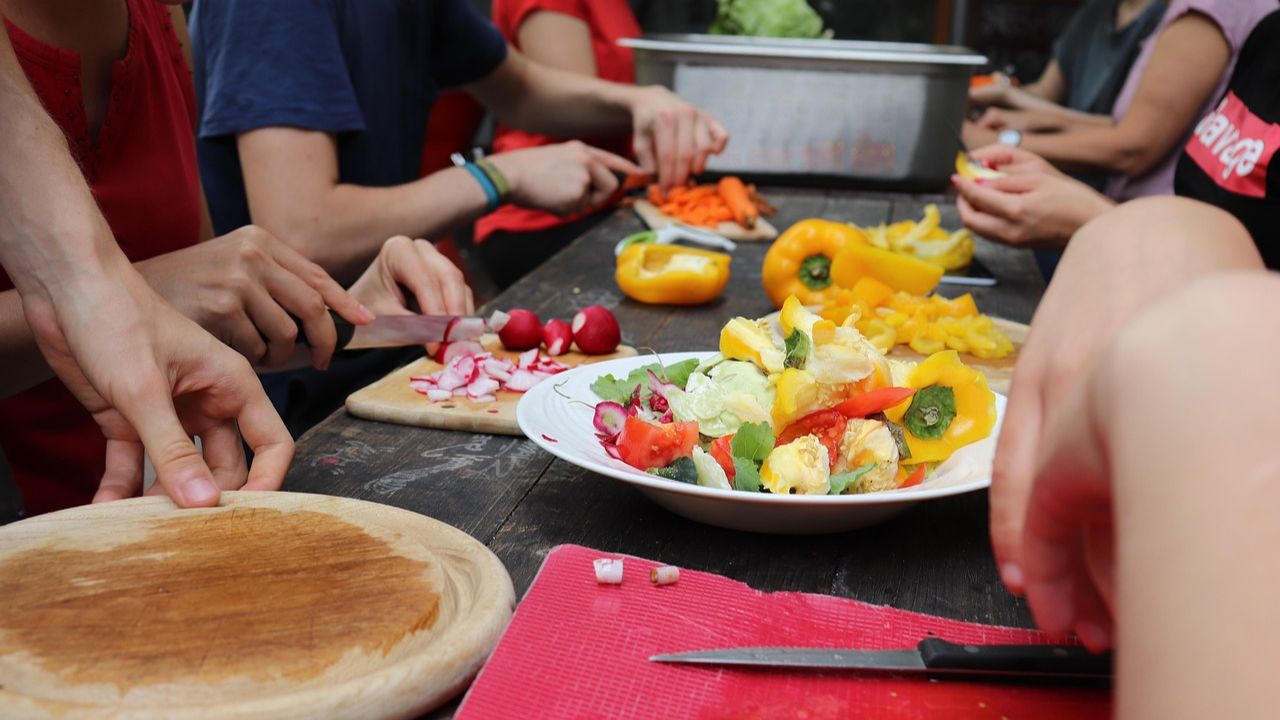
6. Sharing Food as a Form of Connection
Food plays a central role in daily life across Indonesia.
Eating together is a way to build relationships and express hospitality.
When someone offers you food, it is polite to accept, or at least take a small portion.
Meals are often served family-style, and it is customary to eat with the right hand, as the left hand is traditionally considered less clean.
Sharing local dishes such as nasi goreng, satay, or rendang is a simple yet meaningful way to connect with others.
7. Indirect Communication Style
Indonesians prefer indirect communication to avoid confrontation or causing embarrassment.
Instead of saying “no” directly, someone might say “maybe later” (nanti dulu) or “I’ll try” (saya coba).
This subtle approach helps maintain harmony, a value known as rukun.
For expats, it is important to pay attention to tone and context to understand the true meaning behind a response.
Learning to interpret these nuances will make interactions smoother and more respectful.
Check out this guide: How to Live in Bali Permanently: Everything You Need to Know
8. Religion and Spirituality in Everyday Life
Religion is a major part of Indonesian daily life.
The country officially recognizes six religions, and faith influences social behavior and national holidays.
You may hear the adhan (call to prayer) several times a day, see prayer rooms in offices and malls, or observe traditional offerings in Bali.
Being aware of and respecting these practices—such as avoiding eating in public during Ramadan—shows cultural understanding and earns respect from locals.
9. Genuine Hospitality and Generosity
Indonesians are known for their sincere hospitality.
Guests are often welcomed warmly and offered drinks or snacks as soon as they arrive. Even unannounced visitors are treated kindly.
It is polite to accept what is offered, and bringing a small gift (oleh-oleh) when visiting someone’s home is appreciated.
This spirit of generosity reflects the country’s communal values and leaves a lasting impression on many expats.
10. Balancing Tradition and Modern Life
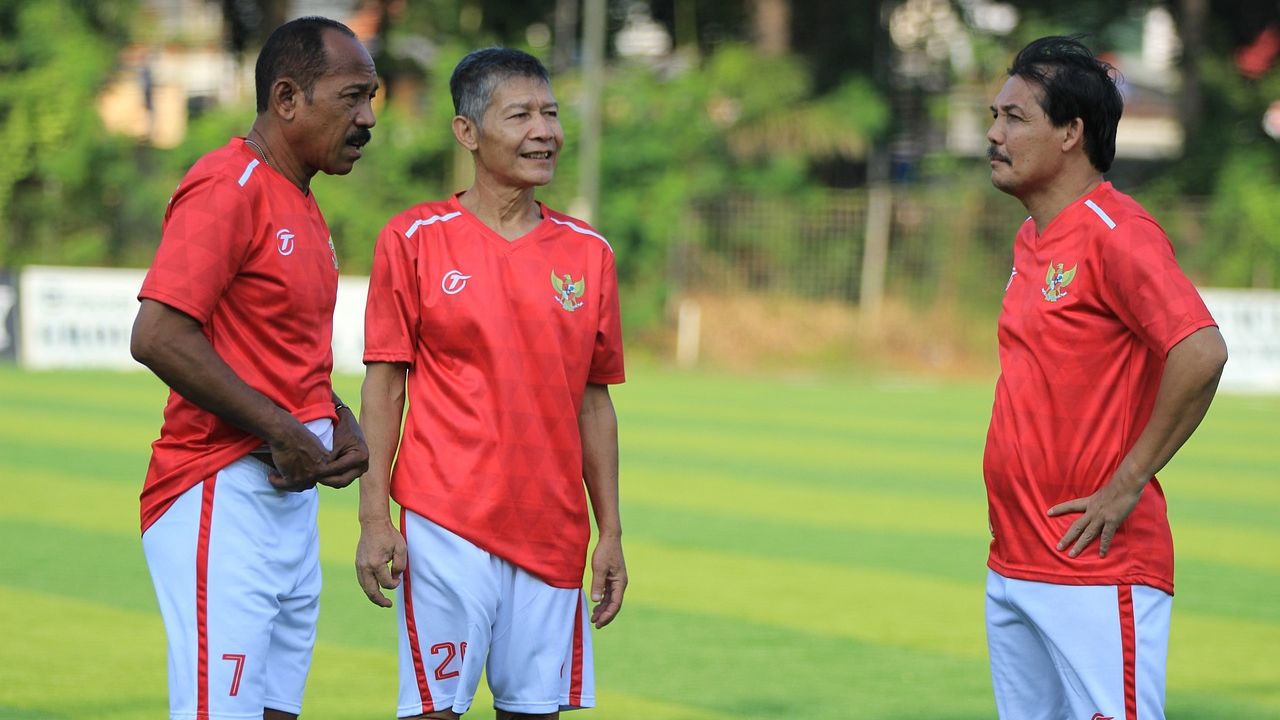
Indonesia blends modern living with traditional values.
In major cities, young professionals use technology and social media daily, yet they still maintain family ties and participate in cultural ceremonies.
This balance between progress and tradition defines much of Indonesia’s identity.
Understanding this coexistence helps foreigners appreciate how Indonesians honor their heritage while embracing change.
***
Recognizing these cultural differences in daily life in Indonesia will help you adapt faster and interact more meaningfully with local communities.
Embracing these customs with openness and curiosity allows you to experience the country not just as an observer but as part of its vibrant and welcoming culture.
If you’re planning to stay longer in Indonesia and looking for a comfortable place to live, you can find plenty of options on Rumah123.
Whether you’re searching for apartments for rent in Central Jakarta or houses for rent in Denpasar, the platform makes it easy to explore listings that match your budget and lifestyle.