


 Download Aplikasi Rumah123
 Cari Agen
 Aset Bank
 Explore
 Berita
 Bantuan
 Download Aplikasi
Dental Care in Indonesia: What Expats Need to Know
Published on October 29, 2025 · 5 min read · by Imam
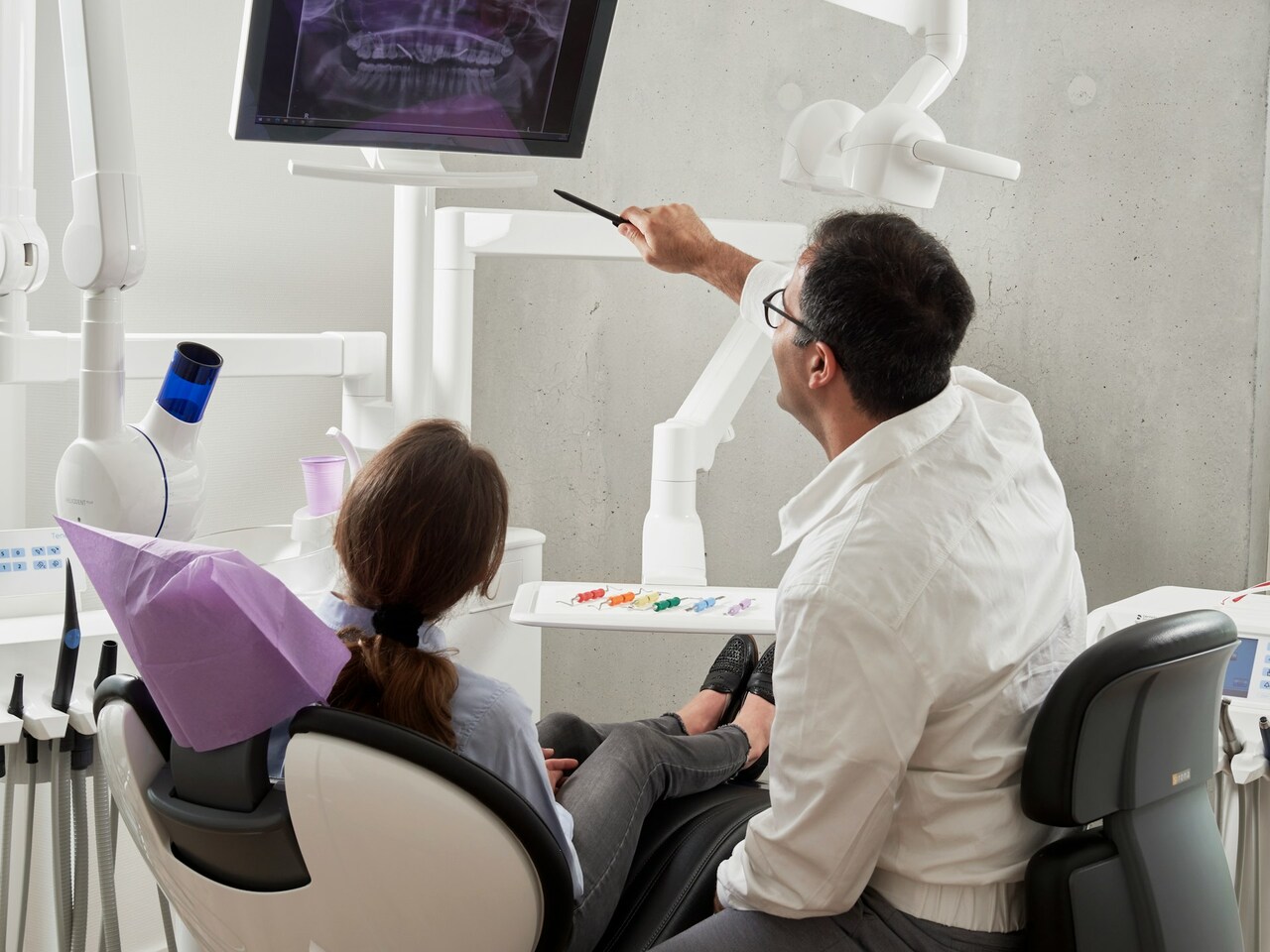
Dental care Indonesia. Photograph: Caroline LM via Unsplash
Whether you’re living in Jakarta, Bali, Surabaya, or smaller towns, dental health in Indonesia can be affordable and high quality—if you know where to look and what to budget for.
Here’s a clear guide for expats to get good dental care without surprises.
Table of Contents:
What Dental Services Are Available & Their Quality
Indonesia’s private dental sector offers a wide range of services—from routine cleanings, fillings, and tooth extractions to cosmetic treatments (veneers, crowns) and more advanced procedures like root canals and dental implants.
Many clinics in urban areas have modern equipment (3D scanners, digital labs) and dentists who speak English.
Clinics in Bali, for example, are known for good standard of care combined with international hygiene practices.
Public dental clinics also exist, especially in government hospitals and community health centers, but their waiting times, equipment, and overall patient comfort tend to lag behind private clinics.
If your dental needs are basic, these may serve, but for complex, aesthetic, or urgent work, many expats prefer private clinics.
Looking for a place to stay while working in Jakarta’s CBD? The Elements Apartment offers an elegant, modern living experience right in the heart of Rasuna Epicentrum, Kuningan, one of Jakarta’s most established and well-planned neighborhoods.
Typical Cost Ranges for Dental Treatments
Here are common treatment types and what expats can expect to pay (private clinics, mid-to-high standards) in 2025:
| Treatment | Approximate Cost (Private Clinics) |
|---|---|
| Cleaning / Scaling / Basic Check-up | USD 20-50 |
| Tooth Filling (composite or basic material) | USD 30-80 per tooth |
| Tooth Extraction (non-surgical) | USD 20-150 depending on location and complexity |
| Root Canal | USD 100-300 per tooth varying by clinic & tooth type |
| Crowns / Veneers / Cosmetic Work | USD 200-500+ for standard crown or veneer; premium materials cost significantly more |
| Dental Implants | From about USD 600 up to USD 2000+ depending on implant type- material- and clinic reputation |
Costs are usually higher in big cities (Jakarta, Bali) compared to smaller towns.
Also, “cosmetic” or “optional” treatments (teeth whitening, veneers for aesthetic only) may not be covered by insurance and are often priced at a premium.
Read more:
Top 5 International Hospitals in Bali Every Expat Should Know
Dental Insurance & Payment Options

Dental care in Indonesia. Photograph: Cedric Fauntleroy via Pexels
For expats, having dental insurance is helpful—it can reduce out-of-pocket costs, particularly for more expensive procedures.
Some banks or insurers in Indonesia offer dedicated dental insurance plans with cashless options, where approved clinics accept the insurance directly.
One example is the Dental Insurance Plan from DBS Indonesia offering coverage up to about IDR 10,000,000/year with preventive and some restorative care.
Also, big dental hospitals like RSGM Yarsi accept many private insurance providers. This collaboration helps make the claims process more streamlined for insured patients.
Payment in private clinics is almost always out-of-pocket up front unless insurance is accepted.
Prices can vary a lot depending on material quality, whether the clinic is in a tourist area, and the dentist’s qualifications.
If budget is a concern, it’s worth getting quotes from more than one clinic and asking for itemized pricing.
Read more:
Top 5 Hospitals in Jakarta for Foreigners: Best Choices for International Patients
How to Choose a Good Dentist & Avoid Common Issues
Here are practical tips:
- Look for PDGI (Persatuan Dokter Gigi Indonesia) accreditation or other professional affiliations.
- Read reviews on Google, social media, or expat forums. Ask locals or expats for recommendations.
- Check how modern the clinic is: clean facilities, updated equipment, clinics that publish their hygiene and sterilization procedures.
- Make sure the dentist speaks good English (or your preferred language) for clear communication.
- Ask for a detailed treatment plan and price breakdown—know exactly what you’re paying for (materials, lab work, crown type, etc.).
- If there’s an emergency, check if the clinic or hospital offers emergency dental treatment or referrals.
Experience high-end living at Cluster Richmond, Kota Wisata Cibubur – where premium design meets unbeatable accessibility. Just 1 minute from the Nagrak Toll Gate and 18 minutes to the LRT Station.
Final Tips: Budgeting & Preventive Care
- Regular check-ups every 6-12 months help prevent costly dental issues. Preventive care (scaling, fluoride) is relatively cheap.
- Keep a dental emergency fund for unexpected problems like broken teeth or severe tooth pain.
- If staying long term, consider a dental insurance “top-up” plan or choosing a health insurance policy that includes dental coverage.
- When traveling, carry a small dental kit (floss, travel toothbrush, basic pain relief) to handle minor annoyances before you see a dentist.
Dental care in Indonesia can be very good and much more affordable than in many Western countries—especially if you choose reputable clinics, compare costs, and take preventive steps.
If you’re an expat, planning ahead (insurance, trusted provider, clear pricing) will help ensure your smile stays healthy without breaking the bank.