


 Download Aplikasi Rumah123
 Cari Agen
 Aset Bank
 Explore
 Berita
 Bantuan
 Download Aplikasi
5 Smart Education Planning Tips Before Moving to Indonesia
Published on January 7, 2026 · 4 min read · by Nik Nik Fadlah

Moving to Indonesia is not just about relocating to another country, it also requires careful preparation for a new way of life, including education planning for children.
Indonesia offers a diverse education landscape, ranging from international schools and national curricula to bilingual and alternative education systems.
Understanding these options early can help ensure a smooth transition, minimize disruptions to a child’s learning journey, and enable families to make informed decisions that align with their academic goals and long-term plans.
If you are planning to move to Indonesia, here are the key steps to consider when preparing your child’s education.
Education Planning Before Moving to Indonesia
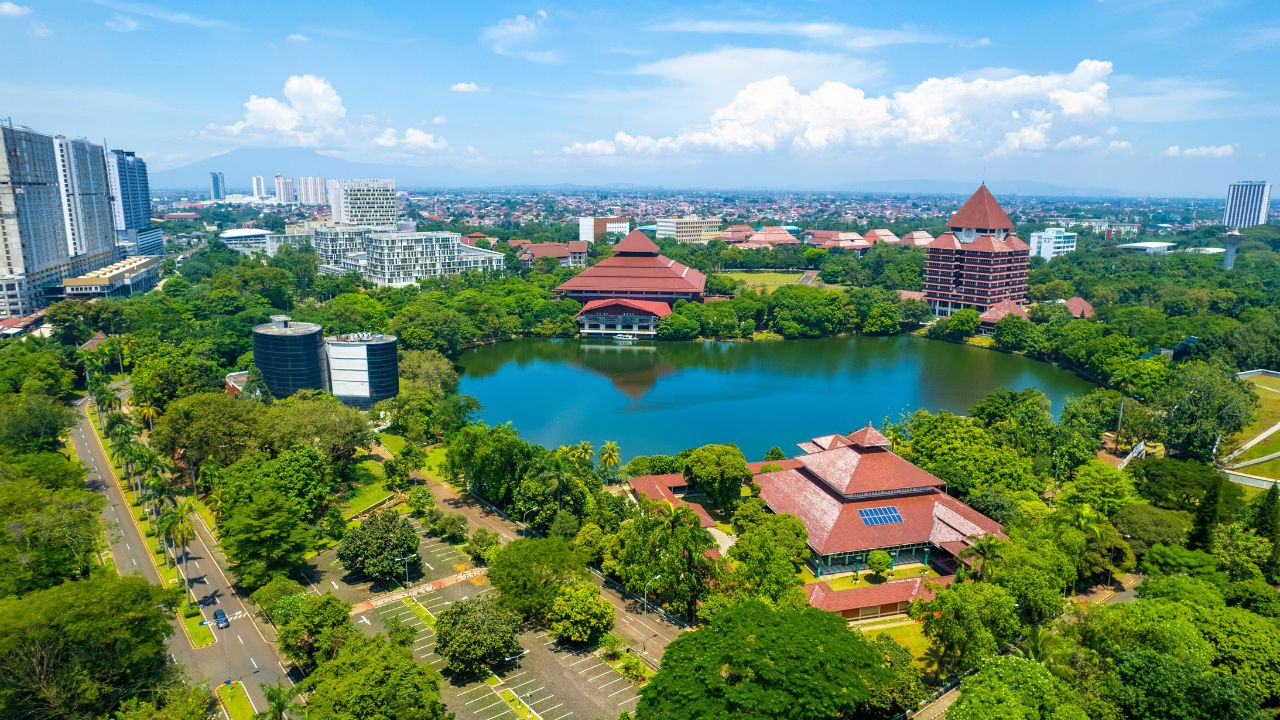
Source: Unsplash.com/Ammar Andiko
1. Understanding the Education System in Indonesia
Indonesia’s education system may differ significantly from that of your home country, making it important to understand its structure before relocating.
The system follows a 6–3–3–4 format, consisting of six years of primary education (ages 6–12), three years of lower secondary education (ages 13–15), three years of upper secondary education (ages 16–18), and four years of higher education at universities or colleges.
With this structure in mind, parents are encouraged to carefully identify the most suitable school for their child based on age, academic stage, and future education plans.
Read also: Safe and Smart School Transportation Services in Indonesia
2. Choosing the Right Type of School in Indonesia
The next important step in education planning before moving to Indonesia is choosing the right type of school for your child.
Indonesia offers several schooling options, including local Indonesian schools, national plus schools, and international schools, each with its own advantages.
Local Indonesian schools allow children to fully immerse themselves in the local culture and are generally more affordable than other options.
However, they require a higher level of proficiency in Bahasa Indonesia.
National plus schools, on the other hand, offer a blend of Indonesian values and international curricula, making them a popular middle-ground choice for many expatriate families.
Meanwhile, international schools provide a global learning environment, exposing children to diverse cultures and perspectives.
These schools often feature modern facilities and a wide range of extracurricular activities. But, they typically come with higher tuition fees compared to local and national plus schools.
3. Consider Language Readiness
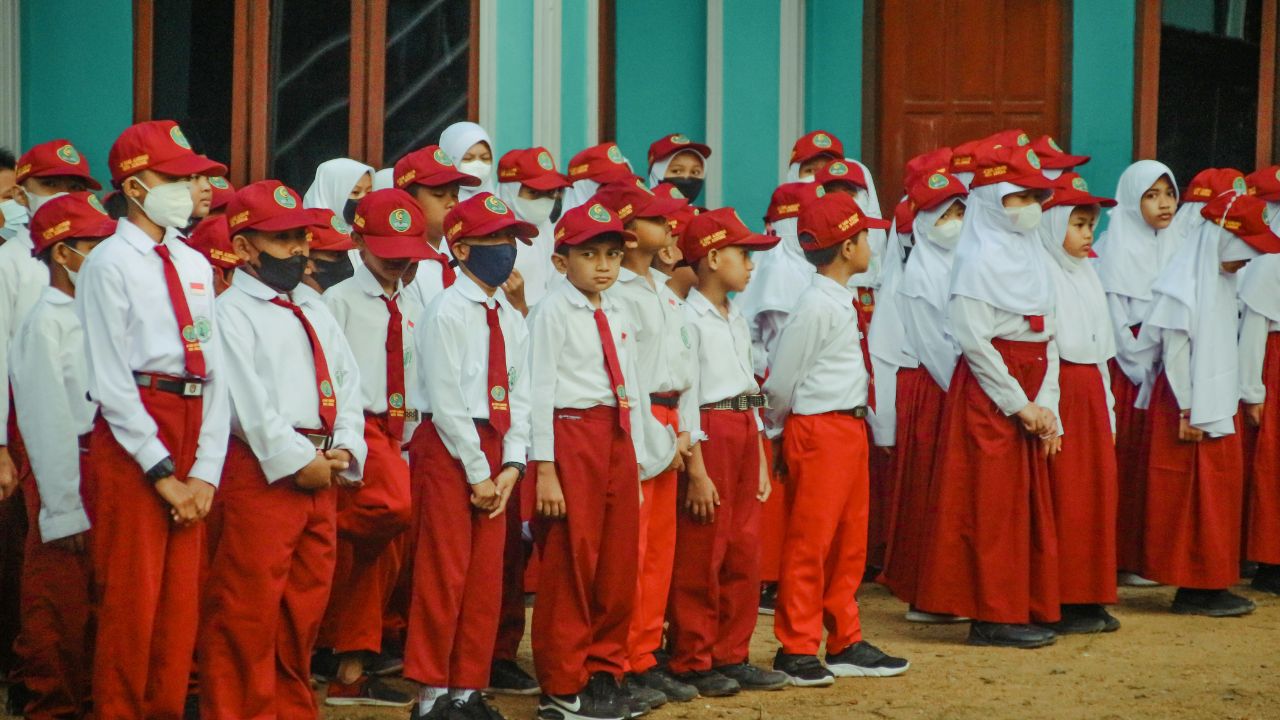
Source: Unsplash.com/Syahrul Alamsyah Wahid
Depending on the type of school you choose, it is important to assess your child’s proficiency in Bahasa Indonesia or English.
Language readiness plays a key role in how quickly a child can adapt to a new learning environment.
In some cases, arranging language support classes or private tutoring before or after the move can greatly ease the transition, boost confidence, and help your child keep up academically from the start.
4. Check Accreditation and Curriculum
Education planning before moving to Indonesia should also include careful consideration of the curriculum, as it plays a crucial role in shaping a child’s educational journey.
International schools in Indonesia commonly offer globally recognized programs such as the International Baccalaureate (IB) or Cambridge, which are designed to meet international education standards and support seamless transitions between countries.
Meanwhile, local schools follow the Kurikulum Merdeka or Kurikulum 2013 (K13), both of which place strong emphasis on Indonesian culture, history, and language proficiency.
5. Research School Locations
Traffic conditions in Indonesia, especially in major cities, can be quite challenging, making school location an important factor to consider.
Choosing a school close to your home can significantly reduce daily commute time, helping your child start the day with less stress while allowing more time for rest, study, and extracurricular activities.
Read also: Extracurricular Activities in Indonesian International Schools, Building Skills Beyond the Classroom
Those are some essential tips for education planning before moving to Indonesia.
If you are looking for a home or apartment located near reputable schools, you can find a wide range of suitable property options on Rumah123.
***Header: Unsplash.com/MD Duran