


 Download Aplikasi Rumah123
 Cari Agen
 Aset Bank
 Explore
 Berita
 Bantuan
 Download Aplikasi
Emergency Healthcare Guide for Expats in Indonesia
Published on January 21, 2026 · 5 min read · by Alya Zulfikar
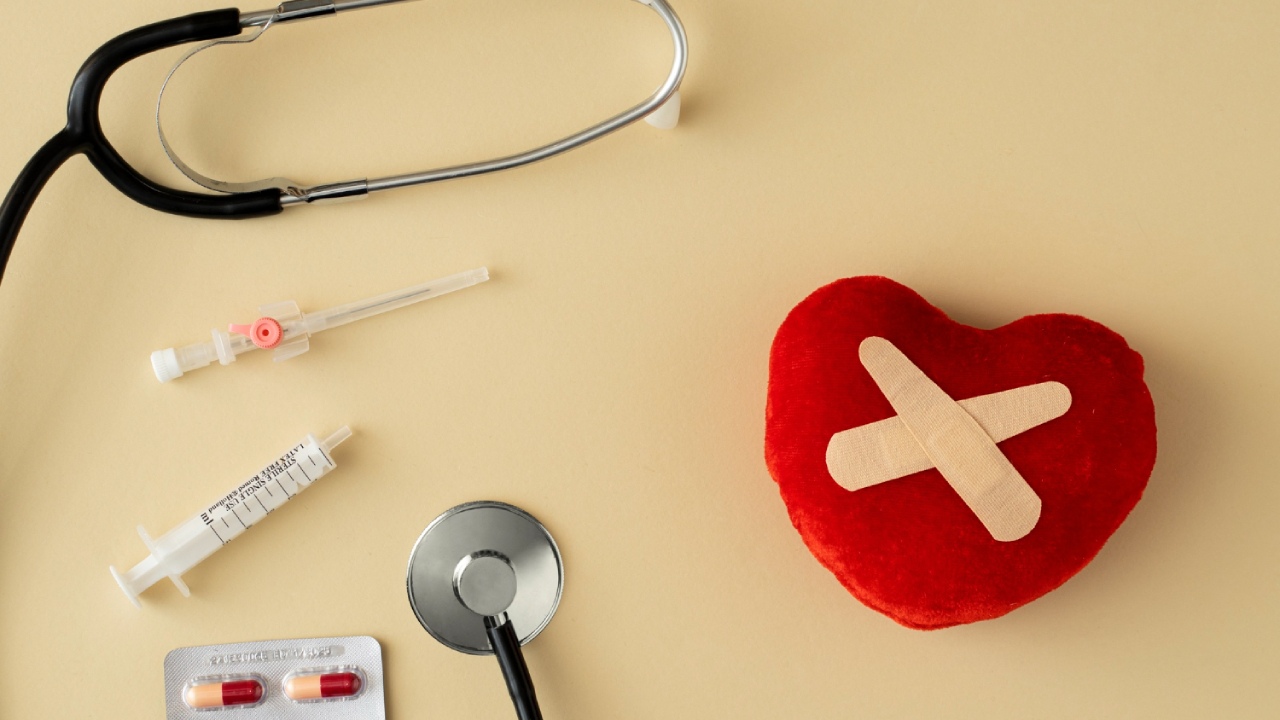
Emergency healthcare guide preparation is one of the most important but often overlooked aspects of expat life in Indonesia.
Many newcomers assume that emergency medical care will function similarly to systems in Europe, Australia, or North America.
While Indonesia has made major improvements in public emergency response, realities on the ground such as traffic congestion, administrative requirements, and uneven infrastructure can significantly affect outcomes.
For expats, understanding how to access help quickly, where to go, and what documents or payments are required can make a critical difference in an emergency situation.
This emergency healthcare guide is designed to help foreign residents navigate urgent medical scenarios with clarity and confidence.
By knowing the right numbers to call, choosing the correct medical facilities, and preparing in advance, expats can reduce stress and ensure faster, safer treatment when every minute matters.
Dialing for Help: The 112 and 119 Hotlines
The first step in any emergency healthcare guide is knowing how to call for help.
Indonesia uses two primary emergency numbers, both of which are free to call from any phone.
Key emergency hotlines include:
112 – General Emergency Number
- Indonesia’s unified emergency number, similar to 911.
- Connects callers to police, fire, or medical services.
- Coverage has improved nationwide, but response time can be affected by traffic and local coordination.
119 – National Medical Hotline
- Dedicated specifically to medical emergencies.
- Operates through the National Command Centre (NCC).
- Most effective in major cities where public ambulances are available.
In practice, many expats rely less on public ambulances.
Public response units can be delayed by congestion and limited fleet availability.
For this reason, experienced expats often save the direct landline numbers of nearby private hospitals, which operate their own ambulance services.
In non-life-threatening emergencies such as fractures, high fever, or severe pain, using a private car, Grab, or Gojek is often significantly faster than waiting for an ambulance to navigate traffic.
Choosing the Right Facility: Public vs. Private Hospitals
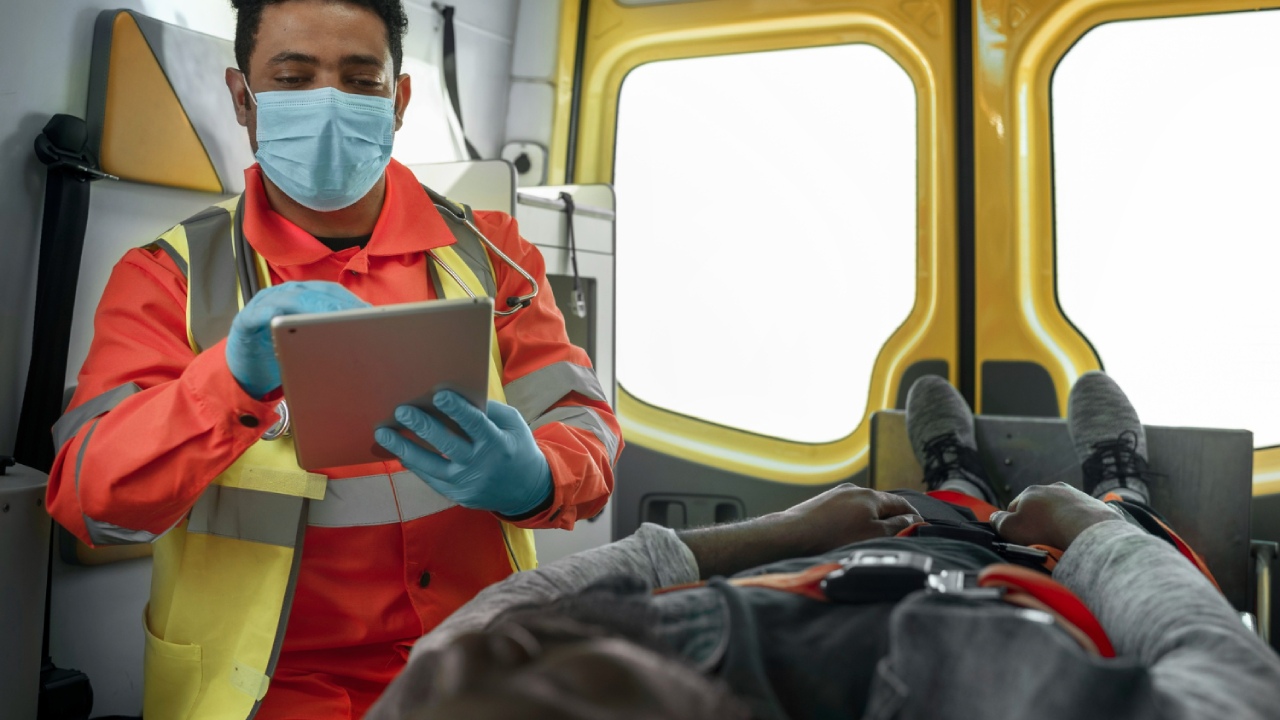
A core principle of any emergency healthcare guide for expats in Indonesia is knowing where to go.
While public hospitals serve the general population, most expats seek care at private international hospitals.
These facilities cater to foreign residents and Indonesia’s upper-middle class, offering higher standards of care and communication.
Recommended private hospitals in 2026 include:
Jakarta
- RS Pondok Indah
- Siloam Semanggi (MRCCC)
- Medistra Hospital
Bali
- BIMC Hospital (Kuta, Nusa Dua, Ubud)
- Siloam Hospital Bali
Surabaya
- Siloam Surabaya
- National Hospital Surabaya
These hospitals provide 24/7 emergency rooms with English-speaking staff, accredited trauma units, and modern diagnostic tools such as CT scans and MRIs.
When arriving at any hospital, look for the sign UGD (Unit Gawat Darurat), which is the Indonesian term for the Emergency Room.
This is where trauma cases and urgent medical conditions are handled immediately.
The “Cash or Insurance” Hurdle in the ER
One of the most surprising realities for expats is the financial process during emergencies.
An essential part of this emergency healthcare guide is understanding Indonesia’s guaranteed payment model.
Even during serious medical situations, administrative procedures move quickly alongside clinical care.
What expats should expect:
Upfront Deposits
- Hospitals may request a deposit of IDR 5–20 million before room admission or non-critical surgery.
- Carry a credit card with a sufficient limit at all times.
Insurance Verification
- International insurers such as Cigna, Allianz, or Aetna are widely accepted at major hospitals.
- The hospital billing department must issue a Letter of Guarantee (LoG) before waiving deposits.
- Keep both physical and digital copies of your insurance card accessible.
2026 Insurance Regulations
- As of January 2026, some policies may require a 10% co-payment under updated OJK regulations.
- Confirm whether your policy is fully cashless at your preferred hospital in advance.
Clear insurance preparation can significantly reduce delays during treatment.
Preparing Your “Emergency Grab Bag”
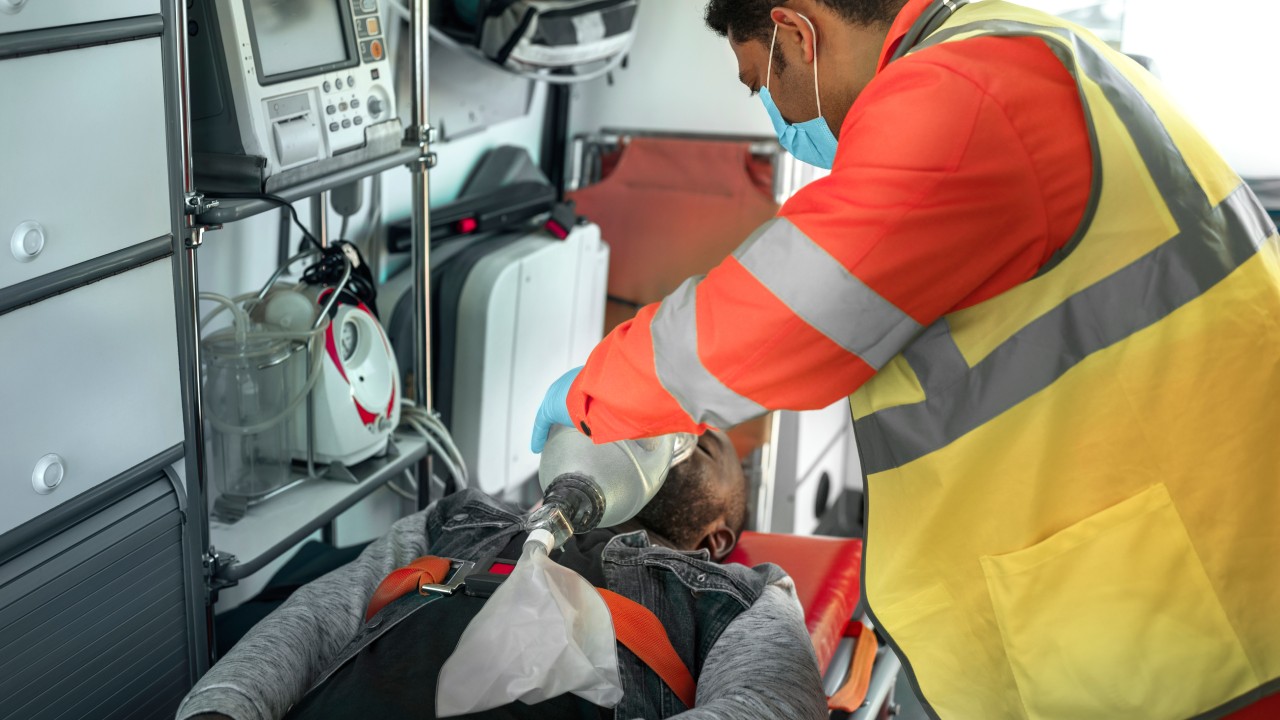
A well-prepared emergency healthcare guide also includes readiness for worst-case scenarios.
In serious cases, patients may require medical evacuation (medevac) to Singapore or Malaysia for specialized treatment.
Preparation ensures this process is not delayed by paperwork.
Your emergency grab bag should include:
Essential Documents
- Passports and KITAS or KITAP.
- These are mandatory for any international medical evacuation.
Medical Information
- A written list of allergies, current medications, and chronic conditions.
- A blood type card, especially important for those with Rh-negative blood.
Medevac Readiness
- Access to providers such as International SOS or Siloam’s air ambulance services.
- Keep emergency contact numbers stored offline.
Basic Language Cheat Sheet
- Tolong! (Help!)
- Ini darurat! (This is an emergency!)
- Saya pendarahan. (I am bleeding.)
- Saya tidak bisa bernapas. (I cannot breathe.)
- Rumah sakit terdekat. (Nearest hospital.)
Emergency preparedness does not stop at knowing hospitals and hotlines.
Where you live also plays a critical role in how quickly you can access quality healthcare in Indonesia.
Living near reputable international hospitals can significantly reduce response times during medical emergencies.
If you are looking for a home in locations with strong healthcare access, Rumah123 helps expats find properties near trusted hospitals and expat-friendly neighborhoods across Indonesia.
(images: freepik)