


 Download Aplikasi Rumah123
 Cari Agen
 Aset Bank
 Explore
 Berita
 Bantuan
 Download Aplikasi
Emergency Services Indonesia from Medical Help to Disaster Response
Published on October 29, 2025 · 4 min read · by Alya Zulfikar
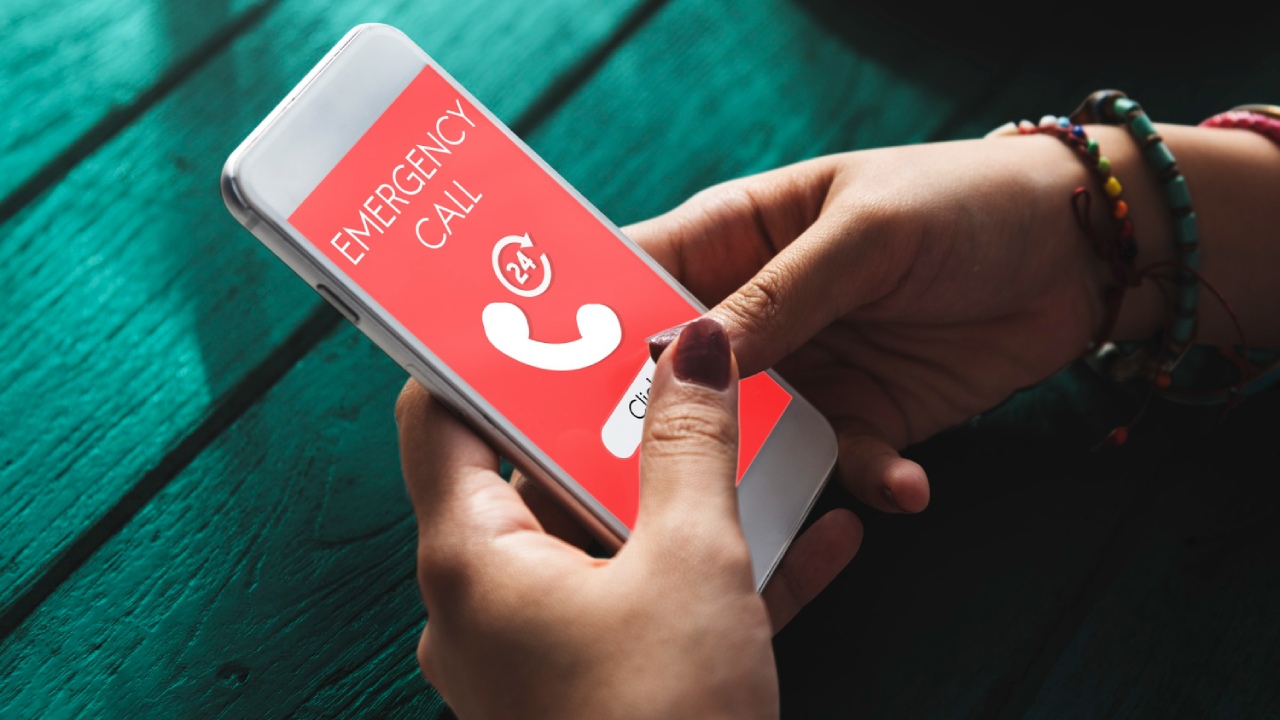
Emergency services Indonesia are a vital part of daily life, especially in a country as diverse and geographically vast as this one.
From busy urban centers like Jakarta to remote rural villages, emergencies can happen anytime, whether it is a medical crisis, a natural disaster, or a security issue.
For locals and foreigners alike, knowing how to contact the right authorities and what to expect when help arrives can make all the difference.
Indonesia faces unique challenges such as heavy traffic in cities, limited infrastructure in rural areas, and frequent natural disasters.
At the same time, the government has made significant improvements in national hotlines, disaster management, and healthcare access.
This guide highlights the most important aspects of emergency services, starting with the key hotline numbers, and continues with practical information about how these systems work in real life.
List of Emergency Hotlines

- 110 – Police
- 113 – Fire Department
- 118/119 – Medical Emergencies and Ambulance
- 115 – Search and Rescue (SAR)
- 112 – General emergency number (available in some regions)
- 129 – Natural disaster information and tsunami warnings
- 1500 131 – Traffic accidents and highway patrol
These numbers should be saved in your phone and written somewhere accessible at home, since they are your first lifeline in urgent situations.
Medical Emergency Services in Indonesia
Medical emergencies are among the most common situations where quick response is needed.
In major cities, ambulances are available through both public hospitals and private healthcare providers.
Private hospitals tend to respond faster and often provide English-speaking staff, which makes them the preferred option for expats.
However, traffic congestion in places like Jakarta and Surabaya can cause significant delays.
This means that response times may not be as fast as in Western countries.
In more critical cases, air ambulance and medical evacuation services are available, though they usually come at a high cost unless covered by insurance.
For foreigners living long term, combining local knowledge with international health insurance is the best way to navigate emergency services Indonesia when it comes to medical care.
Disaster Response and Preparedness
Indonesia is located on the Pacific Ring of Fire, which makes it highly vulnerable to earthquakes, volcanic eruptions, tsunamis, and floods.
The national agency responsible for disaster management is BNPB (Badan Nasional Penanggulangan Bencana).
This agency coordinates rescue efforts, distributes aid, and provides early warning systems in high-risk areas.
In recent years, mobile alerts and community drills have been introduced to improve preparedness.
Still, the sheer frequency of disasters means that local readiness is crucial.
Communities in coastal or mountainous regions often participate in evacuation simulations to reduce casualties.
Expats and residents are encouraged to learn the local disaster protocols and identify the nearest evacuation shelters.
Understanding how disaster response works is an important part of knowing emergency services Indonesia beyond the typical ambulance or police call.
Emergency Services in Cities vs Rural Areas
The reliability of emergency services in Indonesia depends heavily on location.
In Jakarta, Bali, and Surabaya, you will find modern hospitals, better-trained personnel, and quicker access to fire and police services.
Private providers are common in these cities and offer more comprehensive coverage.
In contrast, rural and remote areas may only have small clinics, limited fire stations, and police posts with fewer resources.
Reaching a hospital could take hours, especially if roads are damaged during natural disasters.
This gap means that expats living outside urban centers must plan ahead by knowing the nearest reliable hospital and arranging insurance that covers medical evacuation.
The differences between urban and rural responses are one of the reasons why people emphasize preparation when discussing emergency services Indonesia.
Tips for Residents and Expats
Being prepared is the best way to stay safe during an emergency.
Here are some practical steps you can take:
- Save important numbers: Keep hotline numbers on your phone and posted in your home.
- Identify key facilities: Know the nearest hospital, police station, and fire department.
- Consider private insurance: Make sure your plan covers emergencies and evacuation.
- Prepare an emergency kit: Include first aid supplies, bottled water, flashlights, and important documents.
- Stay informed: Download disaster alert apps and follow local news for real-time updates.
For those looking for housing that offers convenience and accessibility, Cimanggis Golf Estate in Depok is worth considering.
This modern development is located near major hospitals, toll road access, and essential services, making it a smart choice for families and expats who prioritize safety and preparedness.
(images: freepik)