


 Download Aplikasi Rumah123
 Cari Agen
 Aset Bank
 Explore
 Berita
 Bantuan
 Download Aplikasi
Moving to Indonesia: Ultimate Guide for Expats
Published on October 28, 2025 · 5 min read · by Alya Zulfikar
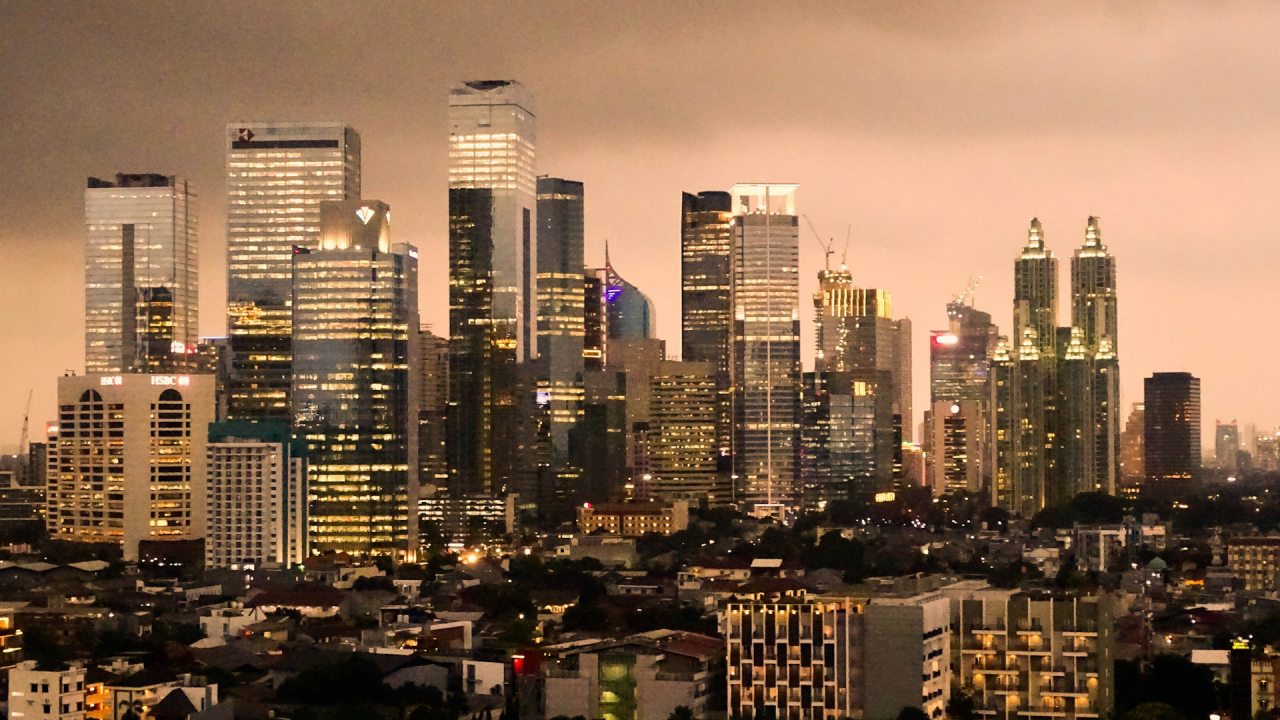
Moving to Indonesia can be a life-changing decision filled with adventure, cultural richness, and unique opportunities.
As one of Southeast Asia’s most diverse countries, Indonesia offers stunning landscapes, a low cost of living, and friendly communities that welcome foreigners with open arms.
Whether you’re relocating for work, retirement, or a lifestyle change, understanding the essentials of daily life, legal requirements, and cultural nuances is crucial for a smooth transition.
From the bustling cities like Jakarta and Surabaya to the serene islands of Bali and Lombok, Indonesia attracts expats from all over the world.
However, adjusting to a new environment can be challenging without the right information.
This guide is designed to help you navigate the journey of moving to Indonesia, covering everything from visas and housing to language and healthcare.
With the right preparation, your move can be an exciting and rewarding experience.
The Ultimate Guide for Expats Moving to Indonesia
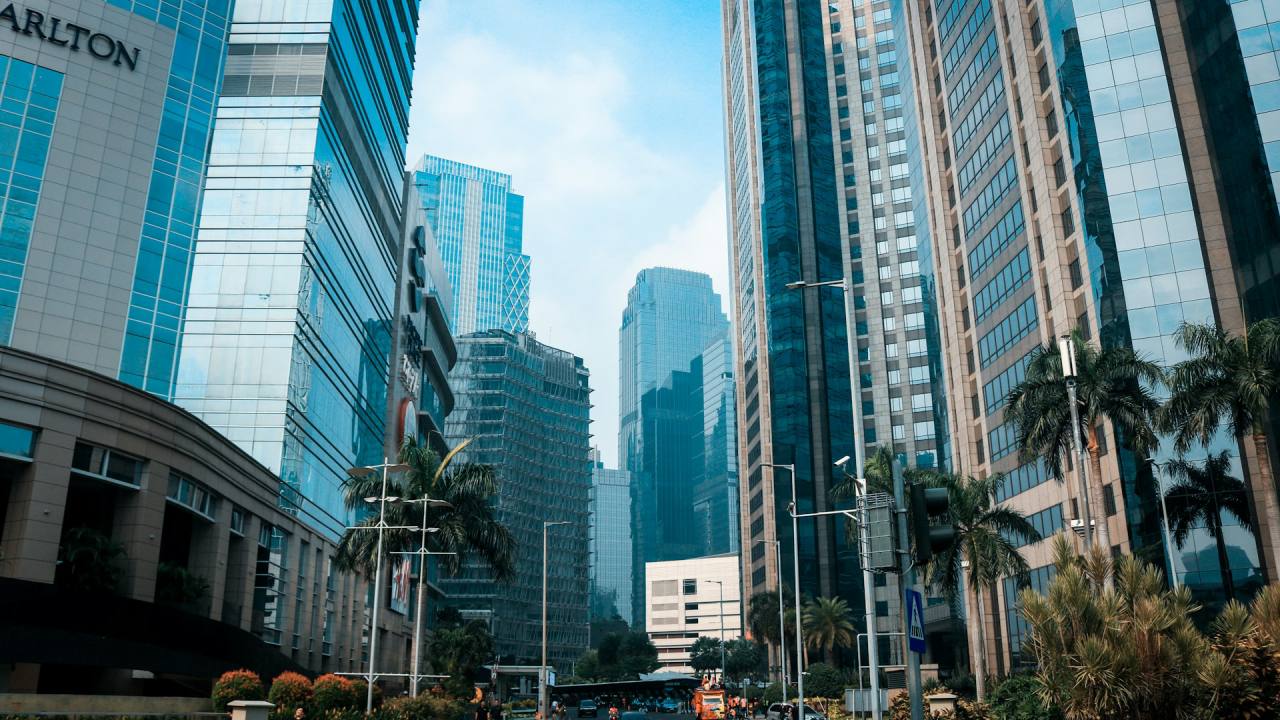
1. Understanding the Visa and Legal Requirements
Before moving to Indonesia, it’s essential to choose the right visa.
Indonesia offers several visa options for expats, including the KITAS (Temporary Stay Permit), KITAP (Permanent Stay Permit), retirement visas, business visas, and work visas.
Most expats start with a KITAS, which is valid for 6 to 12 months and can be extended.
If you’re employed, your sponsoring company typically handles this process.
It’s important to note that visa regulations often change, so it’s advisable to consult with an immigration agent or legal expert familiar with Indonesian law.
Overstaying your visa can result in fines or deportation, so make sure you maintain valid documents throughout your stay.
You’ll also need a Taxpayer Identification Number (NPWP) if you’re working or staying long-term, and registering with your local neighborhood chief (RT/RW) may be required for residence acknowledgment.
Essential Document Checklist for Moving to Indonesia:
- Valid Passport (at least 12 months before expiration)
- Appropriate Visa (KITAS, KITAP, Business, Retirement, or Work Visa)
- Sponsorship Letter (from employer or sponsor in Indonesia)
- Copy of Employment Contract (for work visa holders)
- Recent Passport Photos (with white background, various sizes)
- Health Certificate or Medical Check-up Report (if required)
- Proof of Accommodation (rental contract or host letter)
- Police Clearance Certificate (from home country)
- Tax Identification Number (NPWP)
- Local RT/RW Registration
- Marriage/Birth Certificates (for dependents, if applicable)
2. Cost of Living and Housing
One of the biggest advantages of moving to Indonesia is the affordable cost of living.
Daily necessities, transportation, and food are relatively cheap compared to Western countries. However, prices vary depending on your location.
Jakarta and Bali tend to be more expensive due to demand and tourism.
Expats usually reside in cities like Jakarta, Bandung, Bali, or Yogyakarta, where rental options include apartments, villas, and houses.
In Jakarta, one notable option is The Elements Apartment, a premium residential complex located in Kuningan, South Jakarta. It offers modern facilities, high security, and convenient access to business districts.
Monthly rent can range from US$300 to US$2,000, depending on the area, size, and amenities.
Many newcomers opt to rent before considering property ownership, as Indonesian property laws for foreigners are complex.
When moving to Indonesia, don’t forget to factor in costs for health insurance, international schools (if you have children), groceries, internet, and transportation.
3. Healthcare System and Insurance
Indonesia’s public healthcare system is improving but may not meet international standards in all regions.
For this reason, most expats rely on private hospitals and international clinics, particularly in cities like Jakarta, Surabaya, and Bali.
These facilities offer better equipment and English-speaking staff.
Private healthcare can be costly, so it’s highly recommended to secure international health insurance before moving to Indonesia.
Your policy should ideally cover hospitalization, outpatient care, dental, and emergency evacuation.
Some companies offer expat-friendly packages tailored for long-term stays.
4. Language and Cultural Adjustment
While English is commonly spoken in business and tourist hubs, learning Bahasa Indonesia will greatly improve your daily life and integration.
It helps with communication in markets, with local authorities, and when traveling to rural areas.
Indonesians are known for being polite, warm, and community-oriented.
To adapt, respect local customs and religious practices.
Modest dress is appreciated in most areas, and social norms like greeting elders or avoiding confrontation are important.
Each region has its own traditions and customs, so embrace the diversity by attending local events, trying traditional cuisine, and participating in cultural ceremonies.
5. Transportation and Getting Around
Indonesia offers many transportation options, including motorbike taxis (ojek), ride-hailing apps like Grab and Gojek, buses, and trains.
In major cities, traffic congestion is a daily challenge, so expats often rely on motorbikes or the MRT system in Jakarta.
To drive legally, you’ll need an International Driving Permit (IDP) or convert your foreign license at a local police station (POLDA). Driving can be chaotic, so caution is key.
For domestic travel between islands, low-cost airlines like Lion Air, Citilink, and Batik Air provide frequent and affordable flights.
6. Final Tips for a Smooth Transition
- Open a Local Bank Account: Banks like BCA, Mandiri, and BNI are expat-friendly.
- Get a Local SIM Card: Telkomsel and XL offer affordable data and good coverage.
- Stay Safe: Indonesia is generally safe, but remain alert in crowded or tourist-heavy areas.
Join Communities: Online expat forums and social groups can provide support, networking, and practical advice.