

 Download Aplikasi Rumah123
 Cari Agen
 Aset Bank
 Explore
 Berita
 Bantuan
 Download Aplikasi
Housing Options in Bali for Foreigners: A Complete Guide
Published on October 29, 2025 · 5 min read · by Alya Zulfikar

Housing options in Bali for foreigners are one of the most frequently discussed topics for those who dream of living on the island of the gods.
Bali offers a mix of cultural richness, tropical landscapes, and a vibrant lifestyle that attracts people from all over the world.
Whether you are a digital nomad, retiree, or someone seeking investment opportunities, finding the right place to stay is a key step in settling down.
The choices are diverse, ranging from luxurious villas with private pools, modern apartments in bustling areas, to traditional Balinese houses surrounded by rice fields.
Each option comes with its own price range, legal considerations, and lifestyle advantages.
For foreigners, understanding the legal framework and practical aspects of renting or leasing is crucial before making any commitments.
This guide will walk you through the available housing options, popular areas to live, cost expectations, and essential tips for a smooth experience.
Understanding Property Ownership Rules in Bali
Foreigners cannot directly own freehold property in Indonesia, including Bali.
However, there are several legal frameworks that provide access to property in a secure way.
- Hak Pakai (Right to Use): This title grants foreigners the ability to use land for residential purposes. The permit is valid for 25 years and can be extended for an additional 20 years.
- Hak Sewa (Right to Lease): A practical option that allows foreigners to lease property for up to 25 years, with the possibility of renewal depending on the agreement.
- Hak Guna Bangunan (Right to Build): This right allows foreigners, often through a corporate structure, to construct and own buildings on land for an initial period of 30 years, with extensions possible for 20 more years.
Because property regulations can be complex, it is strongly recommended to work with a trusted notary or legal consultant before making any commitments.
Establishing a PT PMA (Foreign-Owned Company) in Bali
Another pathway for foreigners who want to invest in property or operate businesses in Bali is by setting up a PT PMA (Perseroan Terbatas Penanaman Modal Asing), or foreign-owned company.
- Legal Framework: PT PMAs are governed by Indonesia’s Capital Investment Law (Law No. 25 of 2007) and other supporting regulations.
- Ownership: In many business sectors, a PT PMA can be established with up to 100% foreign ownership. However, certain industries still limit the percentage of foreign investment.
- Capital Requirement: The minimum capital for establishing a PT PMA is generally set at IDR 10 billion (around USD 700,000), with at least 25% of that amount required to be paid up.
- Company Structure: A PT PMA must include at least two shareholders, one director, and one commissioner to be legally valid.
- Licensing: To operate, the company must secure several permits and licenses, including a business license from the Investment Coordinating Board (BKPM).
- Scope of Business: PT PMAs can participate in diverse fields such as trading, services, and manufacturing. However, the Negative Investment List (DNI) outlines specific sectors where foreign ownership is restricted.
Setting up a PT PMA is a more advanced route and is typically chosen by foreigners who plan long-term business or investment activities in Indonesia.
Types of Housing Options in Bali for Foreigners
1. Villas
Among the most popular housing options in Bali for foreigners are villas.
They often come with spacious living areas, private pools, gardens, and modern amenities.
Popular villa destinations include Seminyak, Canggu, and Uluwatu, where many expats enjoy a mix of comfort and privacy.
Villas can be rented long-term or secured under legal agreements for several years.
2. Apartments & Condos
Apartments and condominiums are also part of the diverse housing options in Bali for foreigners.
They provide convenience with shared facilities such as gyms, pools, and security.
This option is ideal for individuals or couples who prefer modern living with less maintenance compared to villas.
3. Long-Term Rentals
For many newcomers, long-term rentals are the easiest entry point when exploring housing options in Bali for foreigners.
Renting a house or villa for 6 to 12 months allows flexibility and a chance to explore different areas before committing.
Prices vary widely depending on size, location, and amenities, but this option remains one of the most flexible choices.
4. Co-Living Spaces
Co-living has become a trend among digital nomads and young professionals.
These spaces offer private rooms with shared communal areas, fostering a sense of community.
Locations such as Canggu and Ubud have thriving co-living hubs where residents can network while enjoying modern amenities and flexible lease terms.
5. Traditional Balinese Houses
For those who want a cultural experience, traditional Balinese-style houses provide charm and affordability.
They are usually built with open-air layouts, wooden carvings, and thatched roofs.
While less luxurious, they immerse residents in the local lifestyle and often come at lower rental costs.
Popular Areas to Live in Bali
- Canggu: Known for its surf beaches, cafés, and trendy atmosphere. Perfect for digital nomads and creative professionals. If you’re seeking a premium residence in this vibrant area, Canggu Hills offers an exclusive living experience with modern architecture and panoramic views, ideal for those who want both comfort and a touch of luxury.
- Seminyak: Offers upscale restaurants, boutiques, and nightlife. Villas here are stylish but come with higher rental prices.
- Ubud: Surrounded by rice fields and temples, it attracts those interested in yoga, art, and wellness. Housing here ranges from villas to eco-lodges.
- Sanur: Family-friendly with a quieter atmosphere and easy access to international schools. Popular with retirees.
- Bukit Peninsula (Uluwatu & Jimbaran): Famous for cliffside villas, ocean views, and a more relaxed pace of life.
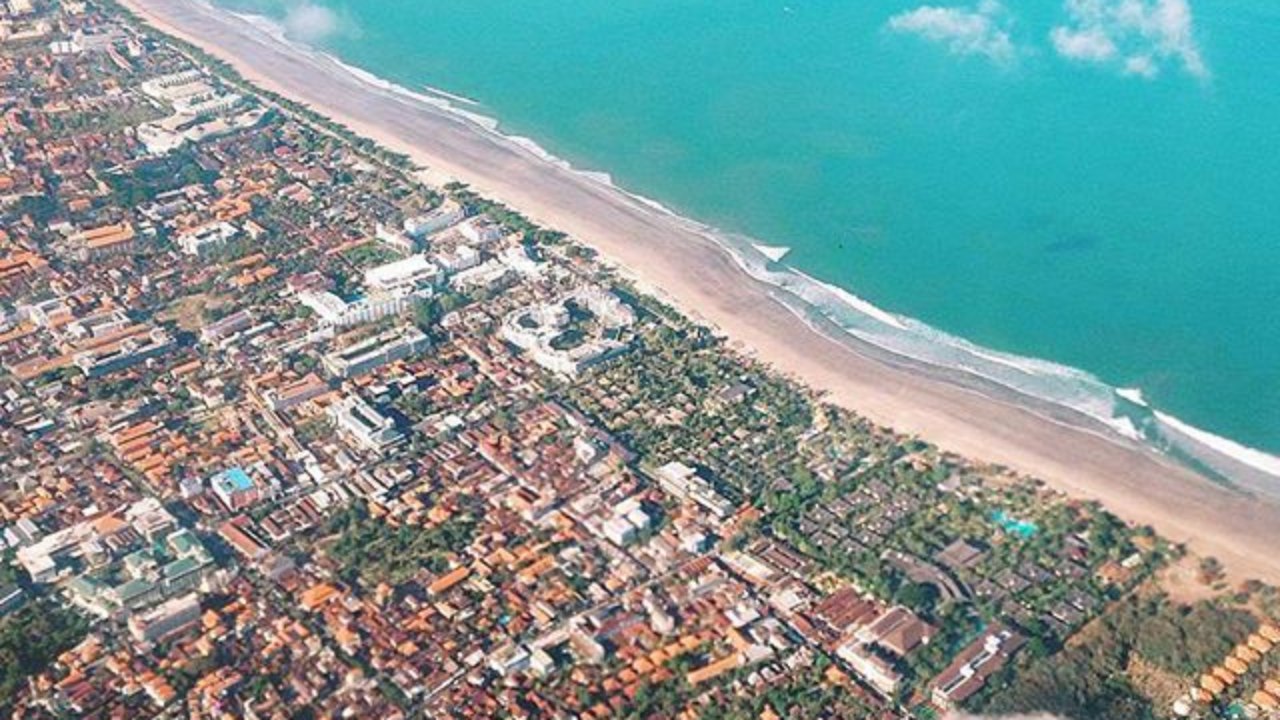
(cover: the bali sun)