


 Download Aplikasi Rumah123
 Cari Agen
 Aset Bank
 Explore
 Berita
 Bantuan
 Download Aplikasi
Complete Guide to Hypertension Treatment in Indonesia for Expats
Published on December 3, 2025 · 8 min read · by Yongky Yulius
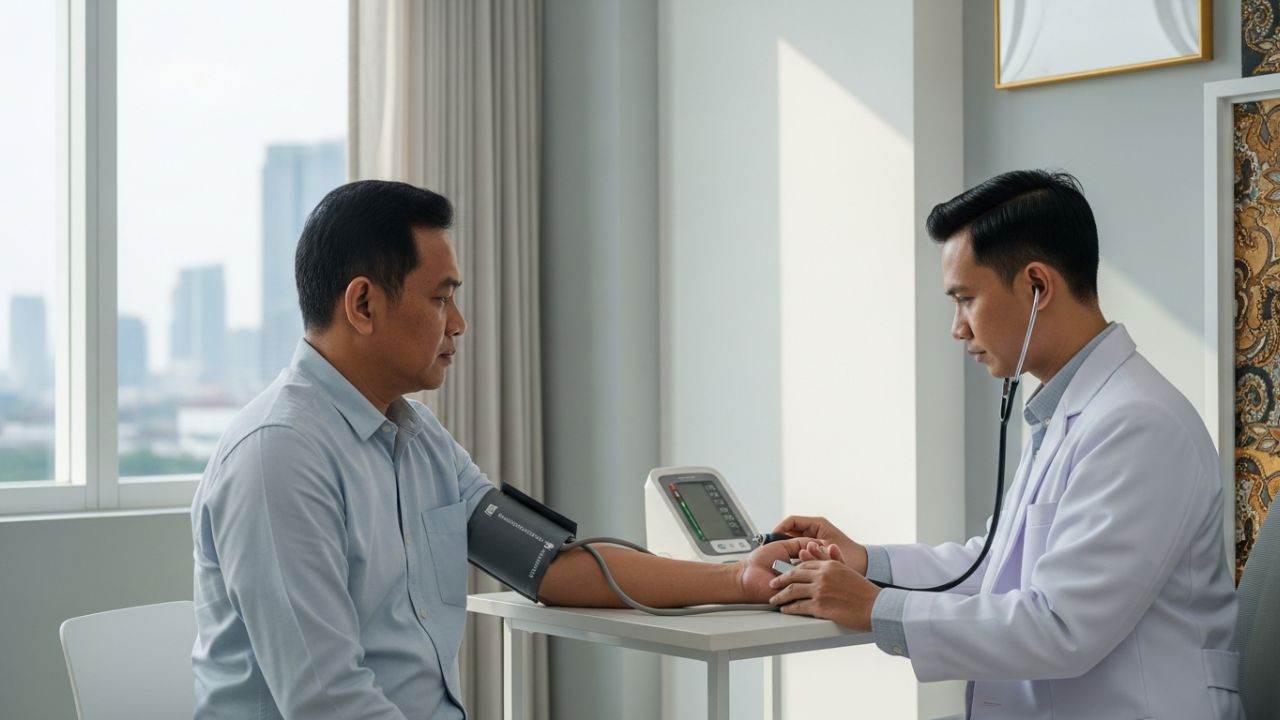
If you’re an expat in Indonesia dealing with high blood pressure, understanding your treatment options is essential.
This complete guide to hypertension treatment in Indonesia for expats outlines trusted healthcare providers, available therapies, and what you should know before seeking care.
It’s designed to help you manage hypertension confidently and comfortably while living here.
In this article:
Common Causes of Hypertension in Indonesia

Hypertension is influenced by many of the same factors worldwide, but several lifestyle and environmental patterns in Indonesia can increase the risk—especially for expats adapting to local habits.
1. Sedentary lifestyle and low physical activity
Daily life in Indonesia often involves minimal walking.
Even short distances are commonly reached by motorcycle or car, which makes regular physical activity harder to maintain.
For expats used to walking-friendly cities, this shift can lead to a more sedentary lifestyle and higher blood pressure over time.
2. High-sodium and heavily seasoned foods
Indonesian cuisine is rich in flavor but can also be high in salt, sauces, and seasonings.
Dishes like fried chicken, sambal, instant noodles, soups, and stir-fries often contain more sodium than recommended for those managing hypertension.
Combined with frequent eating out, this can contribute to elevated blood pressure.
3. Frequent consumption of fried foods
Gorengan (fried snacks), fried rice, fried noodles, and many street foods are cooked in oil that may be reused multiple times.
This increases trans fats and unhealthy lipid levels, which can worsen hypertension and cardiovascular risks.
4. Urban stress and heavy traffic
Living in major cities like Jakarta, Surabaya, or Medan often means dealing with long commutes, crowded streets, and unpredictable traffic jams.
These daily stressors can raise cortisol levels and contribute to persistently high blood pressure.
5. High humidity and heat
Indonesia’s tropical climate can also play a role.
High temperatures and humidity strain the body, potentially leading to dehydration or fluctuations in blood pressure—especially for newcomers who aren’t fully acclimated yet.
6. Smoking and vaping culture
Tobacco use remains relatively common among locals, and secondhand smoke exposure is frequent in specific settings.
Smoking and passive smoke inhalation both increase the risk of hypertension.
7. Limited awareness of routine health checks
Many Indonesians do not undergo regular health screenings, meaning hypertension often goes undiagnosed until symptoms arise.
Expats may find it easy to adopt the same habit and overlook routine blood pressure monitoring.
8. High carbohydrate diet
Staple foods like white rice, noodles, and bread are consumed multiple times a day.
A high-carb diet can contribute indirectly to weight gain and metabolic issues, which are closely linked to hypertension.
9. Environmental pollution
Air pollution in busy metropolitan areas—especially Jakarta—can exacerbate cardiovascular strain.
Long-term exposure may increase hypertension risk.
Related article: Specialist Care in Indonesia for Expats: Hospitals, Insurance, and Medical Tips
How to Check Your Blood Pressure in Indonesia
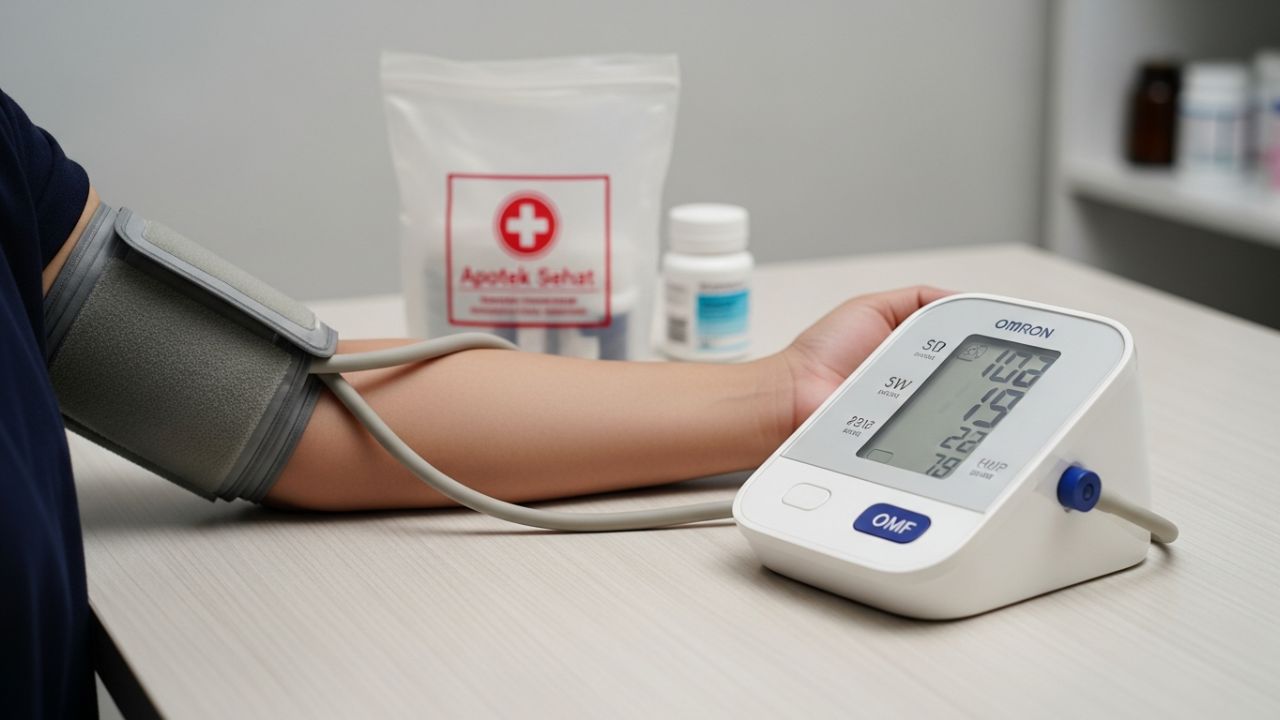
Monitoring your blood pressure regularly is one of the most important steps in managing hypertension.
Fortunately, Indonesia offers several convenient options—both affordable and widely accessible—even for expats who are new to the healthcare system.
1. Visit a local pharmacy (apotek)
Many Indonesian pharmacies, such as Kimia Farma, Guardian, Century, and Viva Generik, provide simple blood pressure checks.
Some offer digital machines you can use independently, while others have staff who assist with the measurement.
These services are usually quick and inexpensive, making them a practical option for routine checks.
2. Go to a clinic or hospital
If you prefer more accurate or professionally supervised measurements, you can visit a nearby clinic, health center, or hospital.
Most facilities—from small neighborhood clinics to major private hospitals—include blood pressure checks as part of general consultation services.
This is especially useful if you’re experiencing symptoms or want consistent monitoring from a healthcare professional.
3. Purchase a home blood pressure monitor
For long-term or daily monitoring, many expats choose to buy digital blood pressure devices.
Popular and reliable brands like Omron, Beurer, Rossmax, and Andon are widely available.
These devices are sold at pharmacies, medical supply stores, and online marketplaces such as Tokopedia, Shopee, and Blibli.
Prices range from affordable basic models to more advanced units with memory tracking and app connectivity.
4. Use community health services
In some neighborhoods, especially outside major cities, local health posts known as posyandu or community clinics may offer free or low-cost blood pressure checks.
These services are more common in residential communities and can be a convenient option if you’re staying long-term.
Related article: Chronic Illness Management Indonesia: Programs, Insurance, and Patient Support
How to Prevent High Blood Pressure While Living in Indonesia

Adapting to life in Indonesia can influence your daily habits, including factors that affect blood pressure.
Fortunately, there are many practical ways to maintain healthy levels while enjoying what the country offers.
1. Stay physically active with accessible outdoor spaces
Indonesia’s major cities provide several popular public spaces for exercise.
In Jakarta, for example, expats often jog or walk at Gelora Bung Karno (GBK), Senayan, Ancol, or city parks like Tebet Eco Park.
If you live in an apartment complex, most properties have gyms, pools, or jogging tracks that are ideal for maintaining an active routine.
Regular exercise—at least 150 minutes per week—significantly reduces hypertension risk.
2. Walk instead of drive for short distances
Because many Indonesians rely on scooters or cars, even for short trips, you may easily fall into the same pattern.
Choosing to walk—whether to a minimarket, coffee shop, or nearby train station—helps counter sedentary routines and supports better heart health.
Areas like Sudirman, Thamrin, BSD, or some Bali neighborhoods are increasingly walkable.
3. Choose healthier food options
While Indonesian cuisine is flavorful, it often contains high salt, oil, and deep-fried ingredients. To prevent high blood pressure:
- Limit fried foods (gorengan, fried rice, fried noodles).
- Choose grilled, steamed, or boiled dishes instead (ayam bakar, pepes, sayur asem, gado-gado).
- Request “less salt” or tidak terlalu asin when ordering food.
- Opt for fresh fruits and vegetables available widely in supermarkets and local markets.
4. Manage stress in busy urban environments
Living in cities like Jakarta or Surabaya may expose you to long commutes, crowds, and fast-paced work culture.
Managing stress is crucial. You can try:
- Visiting wellness centers or yoga studios
- Spending weekends in nature spots like Sentul, Puncak, or Ubud
- Incorporating mindfulness or meditation apps
Reducing stress helps keep blood pressure stable.
5. Stay hydrated in tropical weather
Indonesia’s hot and humid climate increases the risk of dehydration, which can cause temporary blood pressure fluctuations.
Drink water regularly, especially if you spend time outdoors or exercise during the day.
6. Reduce smoking and alcohol intake
Smoking remains common in many Indonesian public areas, so try to avoid exposure.
Moderate alcohol consumption as well, since alcohol can elevate blood pressure.
7. Take advantage of community fitness culture
Indonesia has a growing fitness community—running clubs, cycling groups, yoga gatherings, and weekend car-free days (Car Free Day or CFD) where thousands exercise along main roads.
Participating in these events is a fun way to stay active while exploring local culture.
How to Get Hypertension Treatment in Indonesia

If you experience high blood pressure while living in Indonesia, you have access to a wide range of healthcare options—from neighborhood clinics to major international-standard hospitals.
Here’s how expats can seek proper hypertension treatment.
1. Start with a general practitioner or internal medicine specialist
Most clinics and hospitals in Indonesia offer consultations with general practitioners or internal medicine specialists.
These doctors can assess your symptoms, run basic tests, and recommend treatment plans. If needed, they may refer you to a cardiologist.
Where to find them:
- Local clinics in residential areas
- Primary care services in private hospitals
- Company-appointed or insurance-network doctors
Consultations are typically available same-day or by appointment.
2. Visit reputable private hospitals with strong cardiology services
Indonesia has many private hospitals with modern facilities and English-speaking staff, making them friendly for expats. Some well-known options include:
- Siloam Hospitals (multiple cities) – strong cardiology department, 24/7 emergency, routine check-ups
- RS Premier (Jatinegara, Bintaro, Surabaya) – internationally accredited, excellent diagnostic tools
- Mayapada Hospital – advanced cardiac care, specialists available daily
- Eka Hospital (BSD, Cibubur, Pekanbaru) – comprehensive hypertension and internal medicine services
- Mitra Keluarga Hospitals – known for reliable specialists and accessible locations
These hospitals provide blood tests, ECG, echocardiography, and hypertension medication under one roof.
3. Seek treatment from specialized heart centers (Cardiology Clinics)
For ongoing hypertension management or if you have risk factors (family history, obesity, diabetes), cardiology centers offer more focused care. Services typically include:
Detailed cardiovascular risk assessments
- Echocardiograms
- Holter monitoring
- Lifestyle counseling
- Prescription adjustments
Some notable cardiac centers include:
- National Cardiovascular Center Harapan Kita (Jakarta)
- Jantung dan Pembuluh Darah Clinics in Siloam & Mayapada Hospitals
- Heart & Vascular Center at RS Premier
4. Consider hypertension-specific clinics
Although specialized hypertension-only clinics are less common than diabetes centers, many hospitals run Chronic Disease Management Units or Wellness Clinics. These offer:
- Routine BP checks
- Chronic disease counseling
- Medication management
- Blood tests (lipids, kidney function, etc.)
5. For emergencies, go directly to the Emergency Department (IGD)
If you experience symptoms such as:
- severe headache
- chest pain
- shortness of breath
- blurry vision
- extremely high blood pressure readings
Go immediately to the IGD (Emergency Department) of the nearest hospital. Major private hospitals in Jakarta, Bali, Surabaya, and Bandung operate 24/7 with English-speaking staff.
Conclusion
With the right approach, staying on top of your blood pressure in Indonesia is both manageable and convenient.
Regular monitoring, thoughtful lifestyle choices, and access to reputable healthcare providers give you everything needed to stay healthy.
Whether you’re here short-term or long-term, Indonesia offers supportive environments for effective hypertension care.