


 Download Aplikasi Rumah123
 Cari Agen
 Aset Bank
 Explore
 Berita
 Bantuan
 Download Aplikasi
Indonesia Visa: Types, Application Process, Requirements, and Costs
Published on October 27, 2025 · 5 min read · by Ilham Budiman
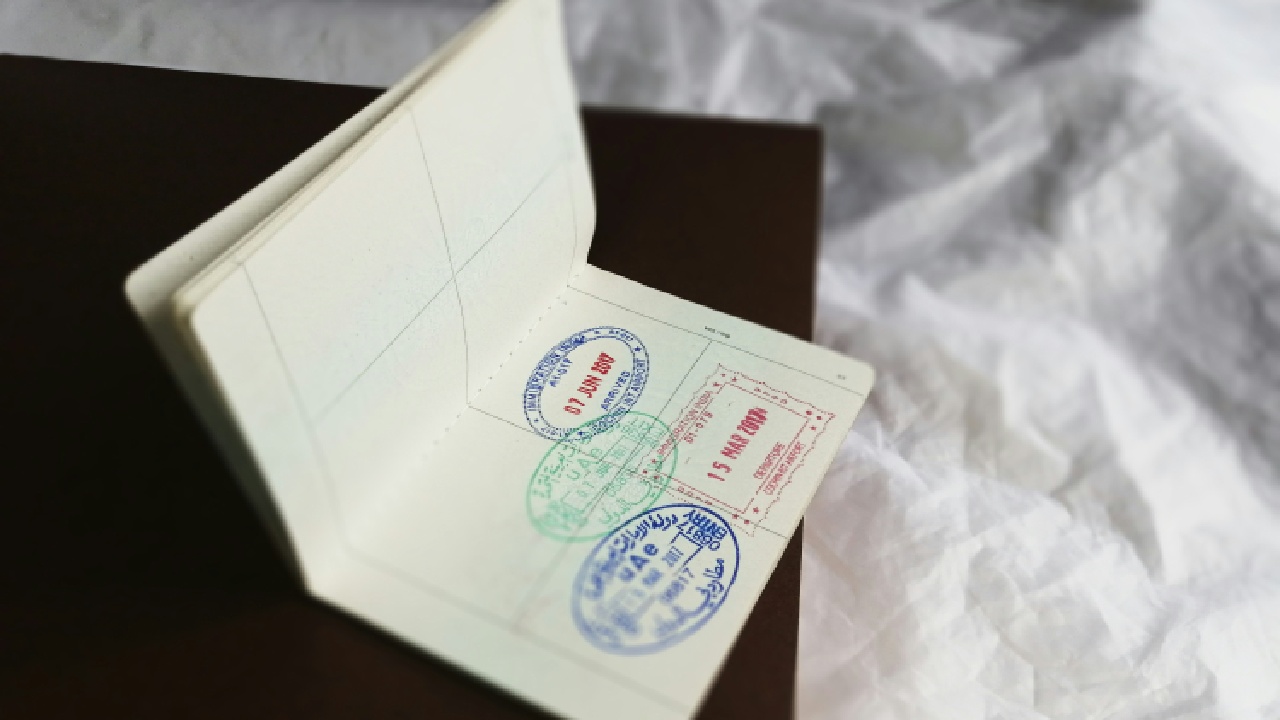
An Indonesia visa is an official document or endorsement that grants foreign nationals permission to enter, stay, or transit through the Republic of Indonesia for a specified period and purpose.
Issued by the Indonesian Directorate General of Immigration under the Ministry of Law and Human Rights, visas ensure that visitors comply with the country’s immigration laws.
Unlike passports, which serve to identify citizenship, visas regulate the duration and activities permitted during a stay.
Indonesia offers visa exemptions for citizens of certain countries for short visits, typically up to 30 days for tourism or business discussions.
However, for longer stays, work, study, or other purposes, a visa is mandatory.
The visa system aims to balance national security, economic growth, and international relations.
In recent years, digital advancements have introduced e-visas, making the process more accessible.
Failure to obtain the correct visa can result in fines, detention, or deportation, so it’s crucial to apply for the appropriate type based on your travel intent.
Types of Indonesia Visas
Unsplash/Kit (formerly ConvertKit)
Indonesia categorizes visas based on the purpose of visit, duration, and entry method. Here are the main types:
1. Visa on Arrival (VoA)
Available to nationals of over 90 countries, this visa is issued upon arrival at designated international airports, seaports, or border crossings.
It’s primarily for tourism, business meetings, or short-term activities, valid for 30 days and extendable once for another 30 days.
2. Tourist Visa (B211A)
This single-entry visa is for leisure travel, cultural exchanges, or visiting family.
It allows a stay of up to 60 days and can be extended up to four times, each for 30 days, totaling a maximum of 180 days.
It can be applied for online or at Indonesian embassies.
3. Business Visa (B211B)
Designed for professionals attending conferences, negotiations, or market research.
Similar to the tourist visa, the business visa is valid for 60 days initially, with extensions possible.
It does not permit employment.
4. Work Visa (C312)
For expatriates employed by Indonesian companies, this visa requires sponsorship from the employer and approval from the Ministry of Manpower.
It’s typically valid for one year and renewable.
5. Student Visa (C314)
Issued to international students enrolled in Indonesian educational institutions.
It aligns with the study program’s duration and requires proof of acceptance and financial support.
6. Retirement Visa (C317)
Aimed at retirees over 55 years old who wish to live in Indonesia.
It offers a one-year stay, renewable annually, and requires proof of sufficient pension or income.
7. Transit Visa
For short layovers, though many nationalities are exempt if staying less than 24 hours.
Read more:
How to Set Up a PT Company in Indonesia for Local and Foreign Investors
8. Electronic Visa (e-Visa)
An online version covering various categories like tourism, business, and investment.
It’s efficient for eligible applicants and reduces processing time.
In addition, Indonesia introduced the Second Home Visa in 2022 for high-net-worth individuals investing in property or bonds, allowing stays up to 10 years.
Special visas exist for journalists, researchers, and diplomats.
How to Apply for an Indonesia Visa
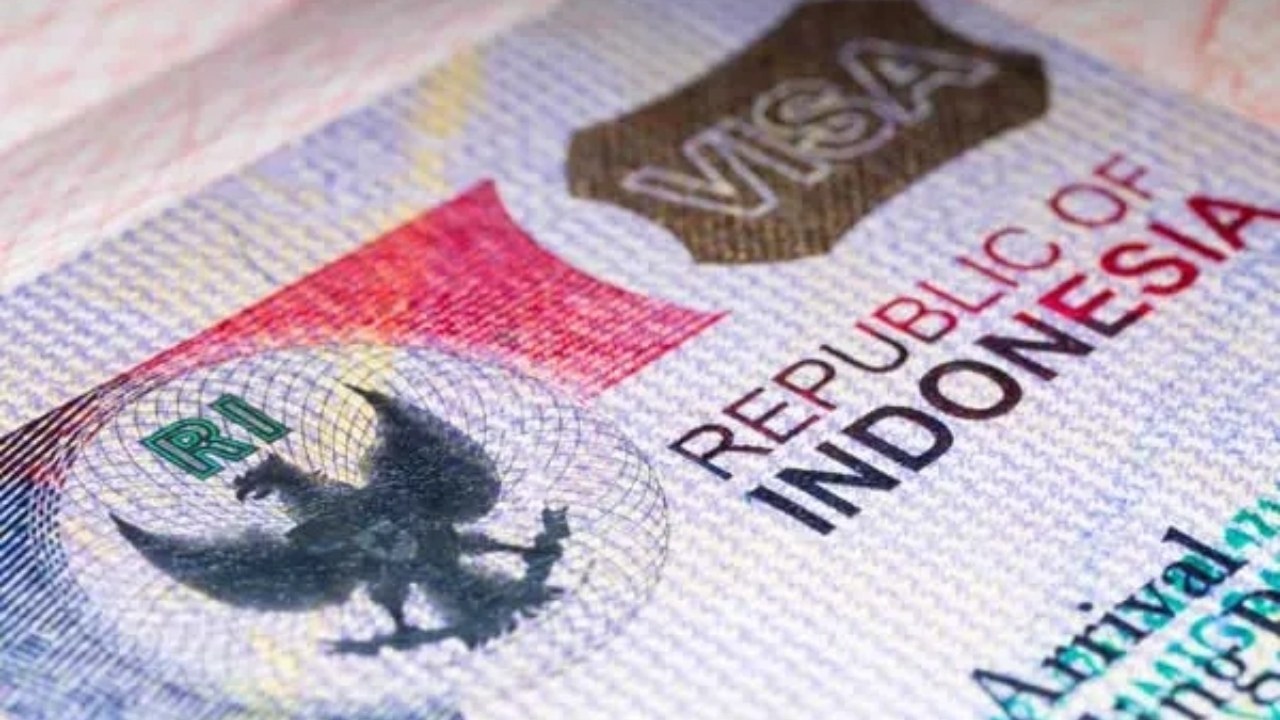
imigrasi.go.id
The application process varies by visa type but generally follows these steps:
- Determine Eligibility: Check if your nationality qualifies for visa-free entry or VoA via the official immigration website (imigrasi.go.id). For other visas, confirm requirements.
- Online Application: For e-visas, visit the e-Visa platform (evisa.imigrasi.go.id). Create an account, fill out the form with personal details, travel itinerary, and upload documents.
- Embassy or Consulate Application: If e-visa isn’t available, apply at the nearest Indonesian embassy or consulate. Schedule an appointment, submit forms, and attend an interview if required.
- Visa on Arrival: Pay the fee at the port of entry after presenting your passport and return ticket.
- Processing Time: E-visas take 3-5 working days, while embassy applications may take 5-10 days. Expedited services are available for an extra fee.
- Approval and Entry: Upon approval, receive a visa sticker or electronic confirmation. Present it at immigration upon arrival.
You can track your application status online and ensure that your passport is valid for at least six months beyond your stay.
Requirements for Applying for an Indonesia Visa
To apply, prepare the following standard documents, though specifics vary by visa type:
- A valid passport with at least two blank pages and six months’ validity.
- Completed visa application form (online or paper).
- Recent passport-sized photos (usually 4×6 cm, white background).
- Proof of onward or return travel (flight tickets).
- Accommodation details or invitation letter from a host/sponsor.
- Financial proof, such as bank statements showing sufficient funds (e.g., USD2.000 for tourist visas).
- Health insurance covering your stay.
For business or work visas, include a sponsor letter from an Indonesian company, business registration, and tax documents.
Students need acceptance letters from schools, while retirees require pension statements.
Criminal record certificates may be requested for long-term visas.
Read more:
PMA Company in Indonesia: A Comprehensive Guide for Foreign Investors
Costs of Indonesia Visas
Visa fees depend on type, nationality, and processing method, paid in USD or local currency. As of 2025:
- Visa on Arrival: USD35 for 30 days.
- Tourist/Business e-Visa (B211A/B): USD50 for 60 days; extensions cost USD35 each.
- Work Visa: USD150-300, plus sponsorship fees.
- Student Visa: USD150.
- Retirement Visa: USD300 annually.
- Second Home Visa: Free application, but requires investments starting at USD130.000.
Embassy processing may add service fees (USD10-50).
Overstaying incurs fines of USD70 per day, up to USD1.000 maximum.
For the most current information, consult the Indonesian Immigration Directorate or authorized embassies.
We hope this information is helpful for you.
Looking for a property in Indonesia? Check out the options on Rumah123.
Cover image: Unsplash/Global Residence Index