


 Download Aplikasi Rumah123
 Cari Agen
 Aset Bank
 Explore
 Berita
 Bantuan
 Download Aplikasi
International Student Housing in Indonesia | Complete Guide
Published on December 5, 2025 · 4 min read · by Imam
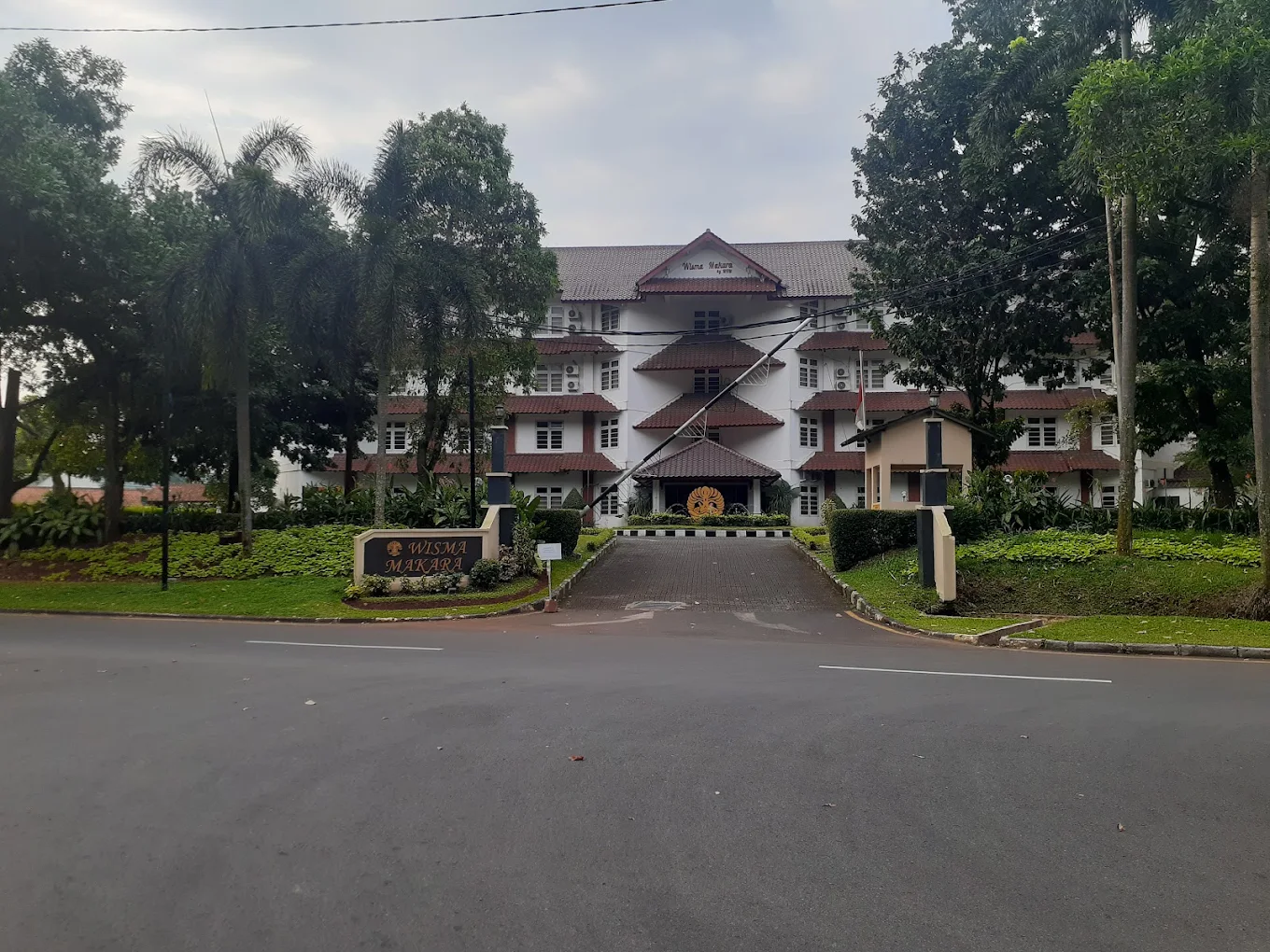
International student housing in Indonesia. Photograph: Adit Gustin via Google Maps
International student housing in Indonesia refers to accommodations — dormitories, serviced apartments, or “kost”/boarding houses — that are suitable for international or out-of-town students studying at Indonesian universities.
The goal is simple: a safe, affordable, and convenient place to live while studying.
Because many Indonesian universities attract both local and foreign students, institutions and private providers offer different housing types — from on-campus dorms to off-campus apartments — to suit varying budgets, lifestyles, and mobility needs.
Table of Contents:
What Types of Housing are Available for International Students
Here’s a breakdown of the main accommodation types you’ll find:
On-Campus Dormitories (University Dorms)
Many large universities provide on-campus housing for international and local students.
For example, Universitas Indonesia (UI) offers dormitory space for students near its Depok campus, complete with communal facilities like a cafeteria, internet café, computer rental, etc.
Private Dorms / Student-Oriented Housing Complexes
Some private dorms or housing services cater specifically to students, offering furnished rooms or apartments, often with amenities (laundry, cleaning, security).
One example: BINUS University in Jakarta mentions student rooms / dormitory pavilions or off-campus rental rooms, with flexible pricing.
Off-Campus Apartments or Kost-Style Housing
For students who want more independence and possibly privacy, renting an apartment or “kost” (boarding house) near campus is a common option.
Cost and quality vary depending on city, proximity to campus, and facilities.
What to Expect: Costs, Facilities, and Trade-Offs
Cost Range — Budget-Friendly but Varies
- For some university dorms or simple kosts (especially outside major cities), monthly costs can start around IDR 1–2 million/month for basic dorm-type accommodation.
- Off-campus apartments / better dorms / private housing near major universities tend to be more expensive, depending on facilities, privacy, and location.
Facilities & Living Realities
- On-campus dorms may include shared facilities: study spaces, cafeteria or canteen, campus transport (in some cases), security, common-area amenities. For example, UI dorms offer campus shuttle bus and sometimes campus bicycles for easier commute.
- Private dorms or off-campus apartments might offer more privacy, possibly private bathrooms, more independence, and sometimes better amenities (especially if targeting international or higher-standard housing).
- Trade-offs: living in dorms means shared bathrooms or communal areas; apartments offer more independence but cost more and may require more commitment (contracts, utilities, commute).
Read more:
How to Rent Property in Indonesia as a Foreigner: Rules, Requirements, and Best Practices
What International Students in Indonesia Should Consider When Choosing Housing
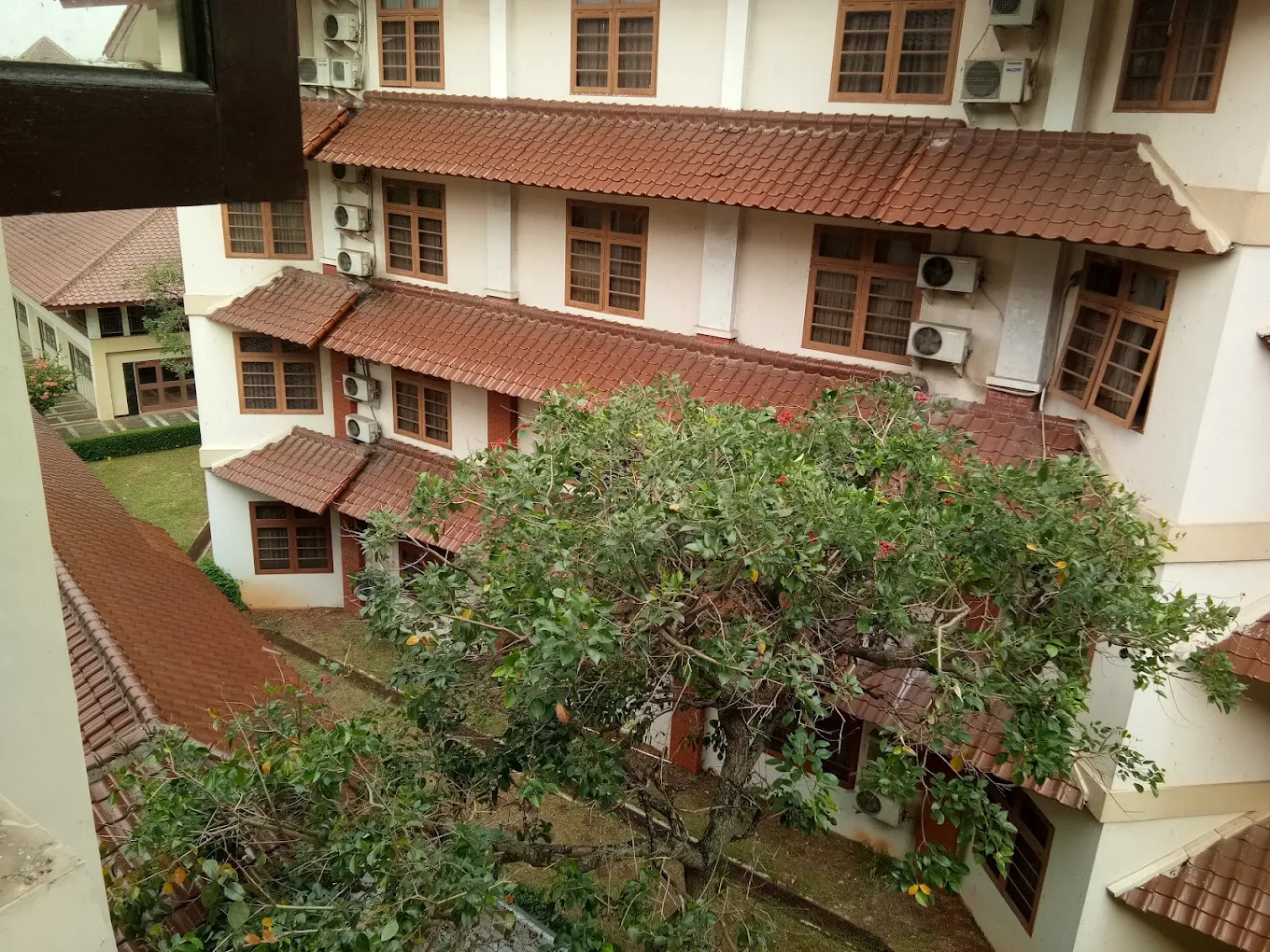
International student housing Indonesia. Photograph: Citra Intan Widyasari
If you’re coming from abroad or a different city, here are some practical tips:
Apply Early
On-campus dorms (especially those for international students or incoming first years) tend to fill up quickly. Example: some dorms recommend early application or risk not getting a room.
Decide Based on Your Priorities
Do you prefer convenience and campus life (on-campus dorm)? Or more independence and privacy (off-campus apartment/kost)?
Check Facilities and Agreements Carefully
What’s included? Shared or private bathroom? Internet/wifi? Security? Utilities? These make a big difference in comfort and budgeting.
Budget Realistically
Consider not only rent, but also utilities, transport to campus, food, and living costs depending on city. Housing may be cheap, but commuting or eating out often adds up.
Location vs. Lifestyle Trade-Off
Dorms are usually close to campus (easy commute). Off-campus housing may mean more commuting time but more independence.
Decide based on how often you’ll need to commute and how integrated you want to be with campus life.
Looking for a place to stay while working in Jakarta’s CBD? The Elements Apartment offers an elegant, modern living experience right in the heart of Rasuna Epicentrum, Kuningan, one of Jakarta’s most established and well-planned neighborhoods.
Why International Student Housing in Indonesia Can be a Good Fit
- Because housing costs tend to be more affordable compared to many countries, living in Indonesia as a student (local or international) remains budget-friendly.
- There is flexibility: whether you want low-cost dorms or more upscale private housing.
- Many universities and private housing providers try to cater to international students — which often means better facilities, furnished rooms, security, and support services (especially in larger cities).
- The mix of on-campus and off-campus options allows students to choose what fits their budget, privacy needs, and lifestyle.
*
If you’re an international student considering studying in Indonesia: start by shortlisting your universities, then reach out to their international office to learn about dorm availability or recommended housing.
If dorms are full, explore private dorms or off-campus kost/apartment options.