


 Download Aplikasi Rumah123
 Cari Agen
 Aset Bank
 Explore
 Berita
 Bantuan
 Download Aplikasi
Understanding the Land Certificate Process in Indonesia for Foreigners
Published on October 30, 2025 · 4 min read · by Ilham Budiman

For expatriates living in or moving to Indonesia, acquiring property is often more complicated than in other countries.
Understanding the land certificate process in Indonesia for foreigners is crucial, as it ensures their investment is legally protected and recognized by the authorities.
Without proper legal documentation, foreigners risk disputes, loss of property rights, or legal penalties.
This guide provides a detailed explanation tailored specifically for expats, covering legal frameworks, options, steps, and practical considerations related to the land certificate process in Indonesia for foreigners.
Understanding Land Ownership in Indonesia for Expats
Indonesia’s land laws are governed by the Basic Agrarian Law (Law No. 5 of 1960), which imposes strict limitations on foreign ownership.
Indonesian citizens can hold full ownership (Hak Milik) over land, but foreigners cannot.
Instead, expats can acquire land through legal arrangements such as Hak Pakai (Right to Use), Hak Guna Bangunan (Right to Build), Hak Sewa (Right to Lease), and Hak Milik atas Satuan Rumah Susun (HMSRS or Ownership Rights over Condominium Units).
The land certificate (sertifikat tanah) is the official document issued by the National Land Agency (BPN) that certifies legal rights over a plot of land.
For foreigners, it confirms the legal arrangement under which they can use or develop the property.
Having this certificate is crucial because it protects your rights and provides proof in case of disputes.
Understanding the land certificate process in Indonesia for foreigners is the first step toward securing legal property rights.
Land Certificate Process in Indonesia for Foreigners
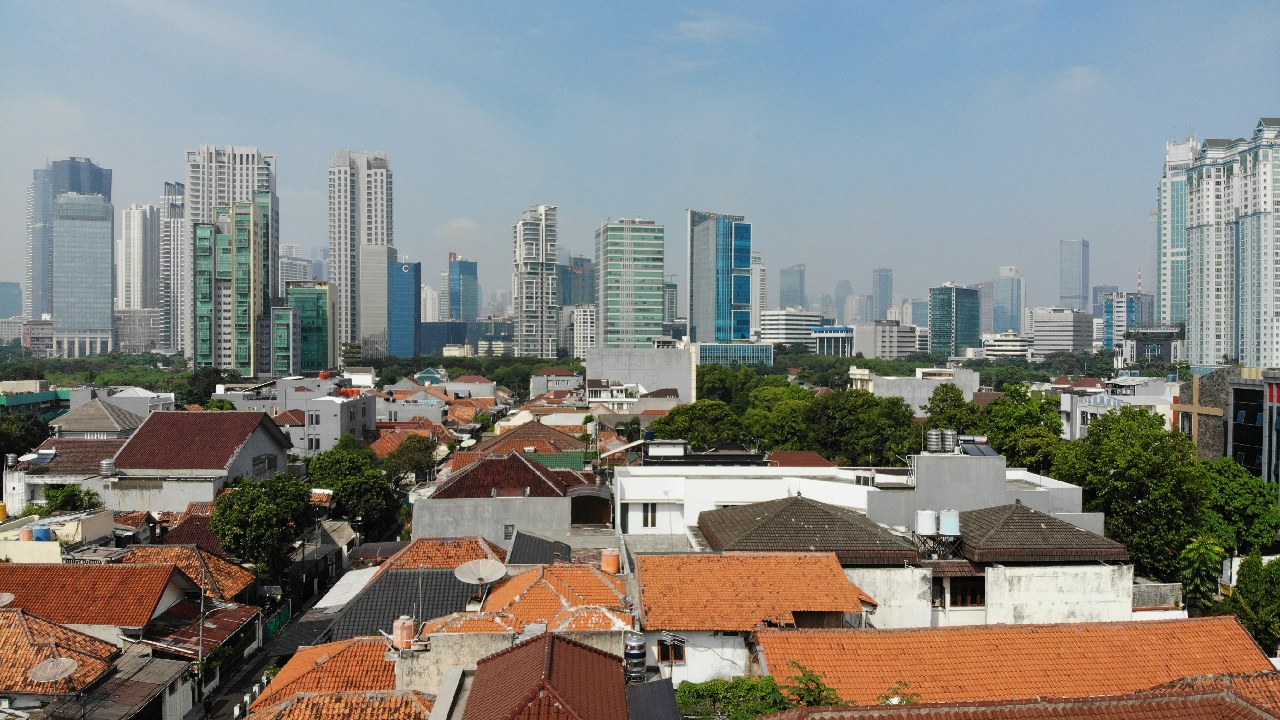
Unsplash/Afif Ramdhasuma
1. Hak Pakai (Right to Use)
Hak Pakai allows an expat to use land for personal or residential purposes. The typical duration is 30 years and can be extended for additional periods.
This option is ideal for expats who want to live in Indonesia and purchase a home without creating an Indonesian company.
However, Hak Pakai cannot be transferred freely without notifying BPN, and renewal requires administrative steps.
Read more:
Understanding the Difference Between Kos and Apartment in Indonesia
2. Hak Guna Bangunan (Right to Build)
Hak Guna Bangunan is mainly used for commercial purposes but can also apply for residential developments if acquired through an Indonesian company.
The initial period is 30 years and can be extended up to 50 or even 80 years under certain conditions.
Expats must register the right under a legal entity (PT PMA), which allows them to conduct business legally while holding construction rights.
3. Hak Sewa (Right to Lease)
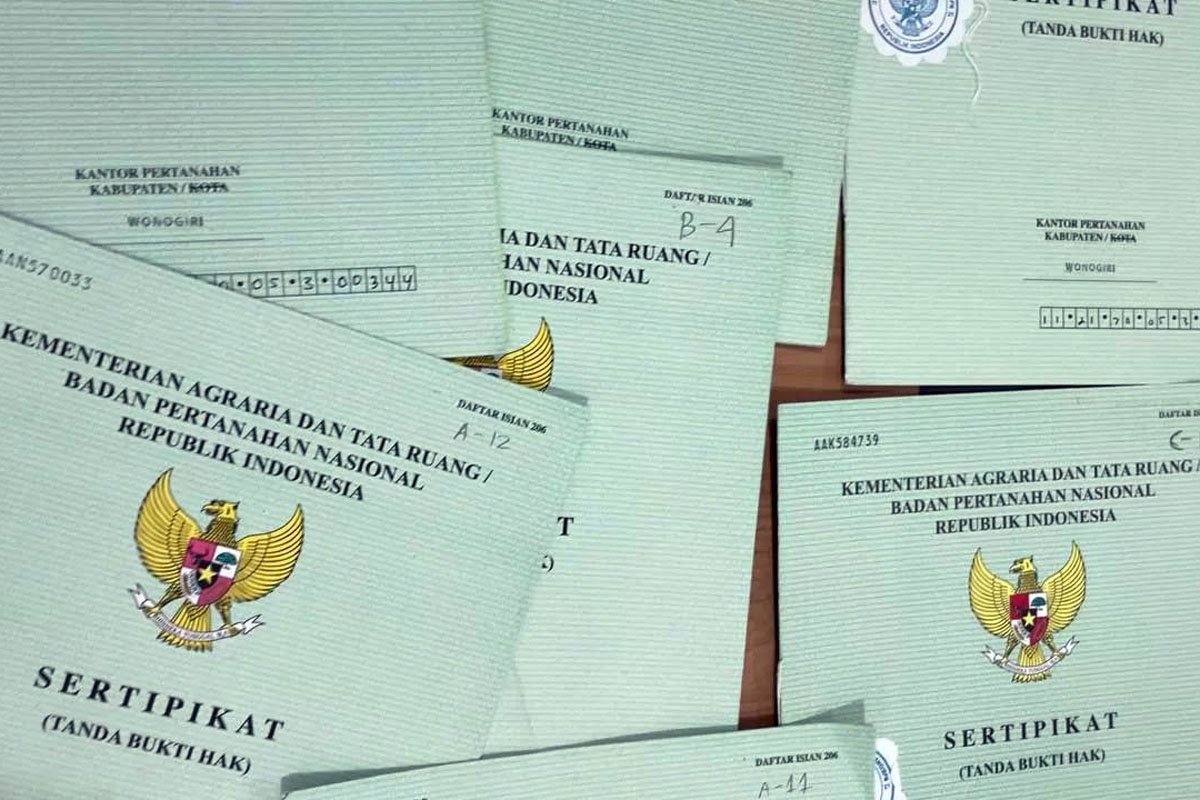
Rumah123
Hak Sewa refers to the legal arrangement where a person has the right to use land or buildings owned by another party, whether an individual or the state, by paying a lease fee for specific purposes.
For foreigners, Hak Sewa allows them to lease residential or commercial properties, such as houses, apartments, or office spaces, without owning the land outright.
This right is contractual and governed by a lease agreement with the landowner, who usually holds Hak Milik (freehold) or Hak Guna Bangunan (Right to Build).
The duration of the lease depends on the terms agreed upon by both parties, typically spanning several years, and can be extended if mutually agreed.
Read more:
What Is Rumah Tapak in Indonesia? A Complete Guide for Expats and Property Buyers
4. Hak Milik atas Satuan Rumah Susun (HMSRS or Ownership Rights over Condominium Units)
HMSRS is the ownership right over an apartment or condominium unit built on land with a specific status, usually Hak Guna Bangunan (HGB) or Hak Pakai.
For foreigners domiciled in Indonesia, HMSRS allows ownership of certain eligible apartment units, often luxury apartments above a designated price threshold.
The duration of HMSRS for foreigners follows the same rules as Hak Pakai, with a maximum of 25 years plus an optional 20-year extension.
Foreigners can only own the apartment unit itself and do not have ownership rights over the land beneath the building.
Conclusion
For expatriates, navigating the land certificate process in Indonesia for foreigners requires careful planning, professional guidance, and full compliance with local laws.
By understanding the steps, engaging qualified professionals, and following regulations, expats can secure property rights in Indonesia safely and confidently.