


 Download Aplikasi Rumah123
 Cari Agen
 Aset Bank
 Explore
 Berita
 Bantuan
 Download Aplikasi
Maternity Care in Indonesia for Expatriates: Options, Costs, and Tips
Published on October 28, 2025 · 4 min read · by Ilham Budiman
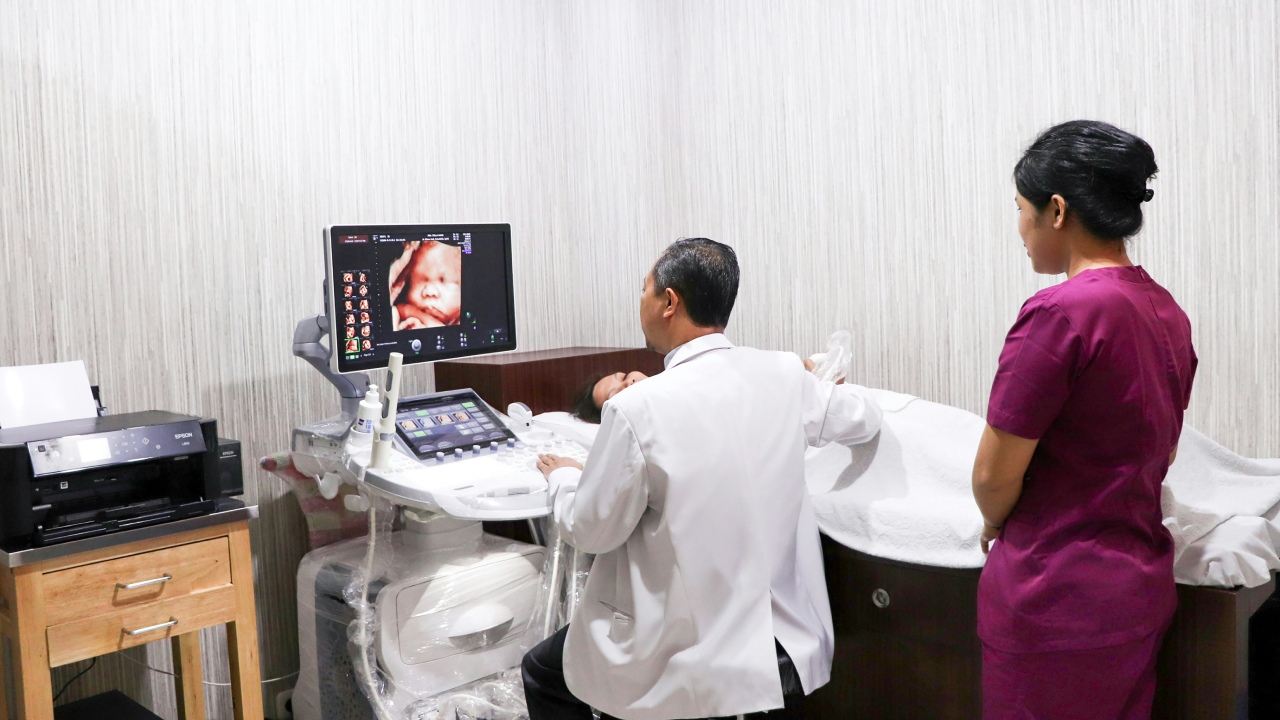
Maternity care in Indonesia for expatriates offers a wide range of options, from modern private hospitals to midwife-led birthing centers.
For expatriates living and working in Indonesia, navigating healthcare systems can be both exciting and challenging.
Maternity care is one of the most important aspects for families who are expecting a child, as it directly impacts maternal and infant health.
Many private hospitals and clinics offer high-quality maternity services that meet international standards.
Indonesia provides a variety of maternity care options, ranging from public hospitals to private facilities.
While public hospitals can be more affordable, many expatriates prefer private hospitals due to higher service standards, English-speaking staff, and international accreditations.
Below are some notable maternity care providers that are popular among expatriates.
Maternity Care in Indonesia for Expatriates

Unsplash/Irwan
1. International Hospitals in Jakarta
Jakarta is home to several international-standard hospitals that provide comprehensive maternity care in Indonesia.
Facilities such as Siloam Hospitals, Mayapada Hospital, and Brawijaya Women & Children Hospital are well-known for their modern maternity wards, prenatal classes, and experienced obstetricians.
These hospitals often have partnerships with international insurance providers, making them a convenient choice for expatriates.
2. Bali’s Popular Clinics and Hospitals
For expatriates living in Bali, maternity care is supported by hospitals like BIMC Hospital and Kasih Ibu Hospital.
These facilities offer bilingual medical staff, prenatal check-ups, and delivery services.
Bali also has specialized birthing centers that emphasize natural birth and holistic approaches, which can appeal to expatriates seeking alternative maternity care.
3. Surabaya and Bandung Facilities
Two major cities in Indonesia, Surabaya and Bandung, also provide reputable maternity care services.
Hospitals such as RS Premier Surabaya and RS Borromeus in Bandung offer advanced maternity units with neonatal intensive care facilities, catering to both expatriates and local patients who expect international-standard care.
Read more:
Telemedicine in Indonesia for Expats: What You Should Know
4. Midwife and Birthing Centers
Beyond hospitals, Indonesia has a growing number of midwife-led birthing centers, particularly in urban areas.
These centers focus on personalized care and natural birth, which may suit expatriates who prefer a less clinical environment.
However, it is important to ensure that such centers are licensed and have emergency facilities in case complications arise.
Costs of Maternity Care in Indonesia
The cost of maternity care in Indonesia varies significantly depending on the facility, location, and type of delivery.
Public hospitals generally provide more affordable options, but many expatriates choose private or international-standard hospitals for better comfort and services.
1. Prenatal Check-Ups
Basic prenatal visits at private hospitals can cost between USD30 to 100 per session, depending on the doctor and tests required.
2. Normal Delivery
At private hospitals in Jakarta or Bali, natural birth costs range from USD2.000 to 5.000.
This usually includes doctor’s fees, hospital stay, and medications.
3. Cesarean Section
C-section deliveries are more expensive, ranging from USD4.000 to 8.000 at international-standard hospitals.
Read more:
5 Best Hospital in Bali for High-Quality Healthcare Services
4. Additional Costs
Costs can increase if special care, NICU services, or extended hospital stays are required.
Some hospitals also charge separately for prenatal classes, ultrasounds, and vaccinations.
Expatriates are advised to confirm detailed cost breakdowns before choosing a hospital, and to check whether their international health insurance covers maternity care in Indonesia.
Tips for Expatriates Seeking Maternity Care in Indonesia

Unsplash/Stephen Andrews
1. Research Hospitals and Clinics in Advance
Expatriates should carefully research available hospitals and clinics before choosing where to receive maternity care Indonesia.
Consider factors such as location, available facilities, reputation, and whether the medical staff can communicate in English.
2. Check Health Insurance Coverage
International health insurance often covers maternity care, but coverage may vary depending on the provider.
Some insurance policies require a waiting period before maternity services are included, so expatriates should review their policies thoroughly before pregnancy.
3. Consider the Cost of Maternity Care
Maternity care costs in Indonesia vary widely depending on the type of facility and services chosen.
Delivery at a private hospital can range from USD2.000 to 8.000, depending on whether it is a natural birth or cesarean section.
Expatriates should budget accordingly and confirm all costs beforehand.
4. Understand Cultural and Legal Aspects
Cultural differences can play a role in maternity care.
For example, postnatal traditions such as “selapanan” (a 40-day rest period) are common in Indonesia, though expatriates are not required to follow them.
Legally, birth registration is an important process for expatriates, as newborns must be registered with both Indonesian authorities and their embassy.
5. Plan for Language Support
Although many private hospitals have English-speaking staff, not all nurses or midwives may be fluent.
Expatriates may want to bring a translator or use translation apps to avoid communication barriers during maternity care.