


 Download Aplikasi Rumah123
 Cari Agen
 Aset Bank
 Explore
 Berita
 Bantuan
 Download Aplikasi
Medical Tourism in Indonesia (Costs, Treatments & Top Hospitals)
Published on October 31, 2025 · 6 min read · by Imam
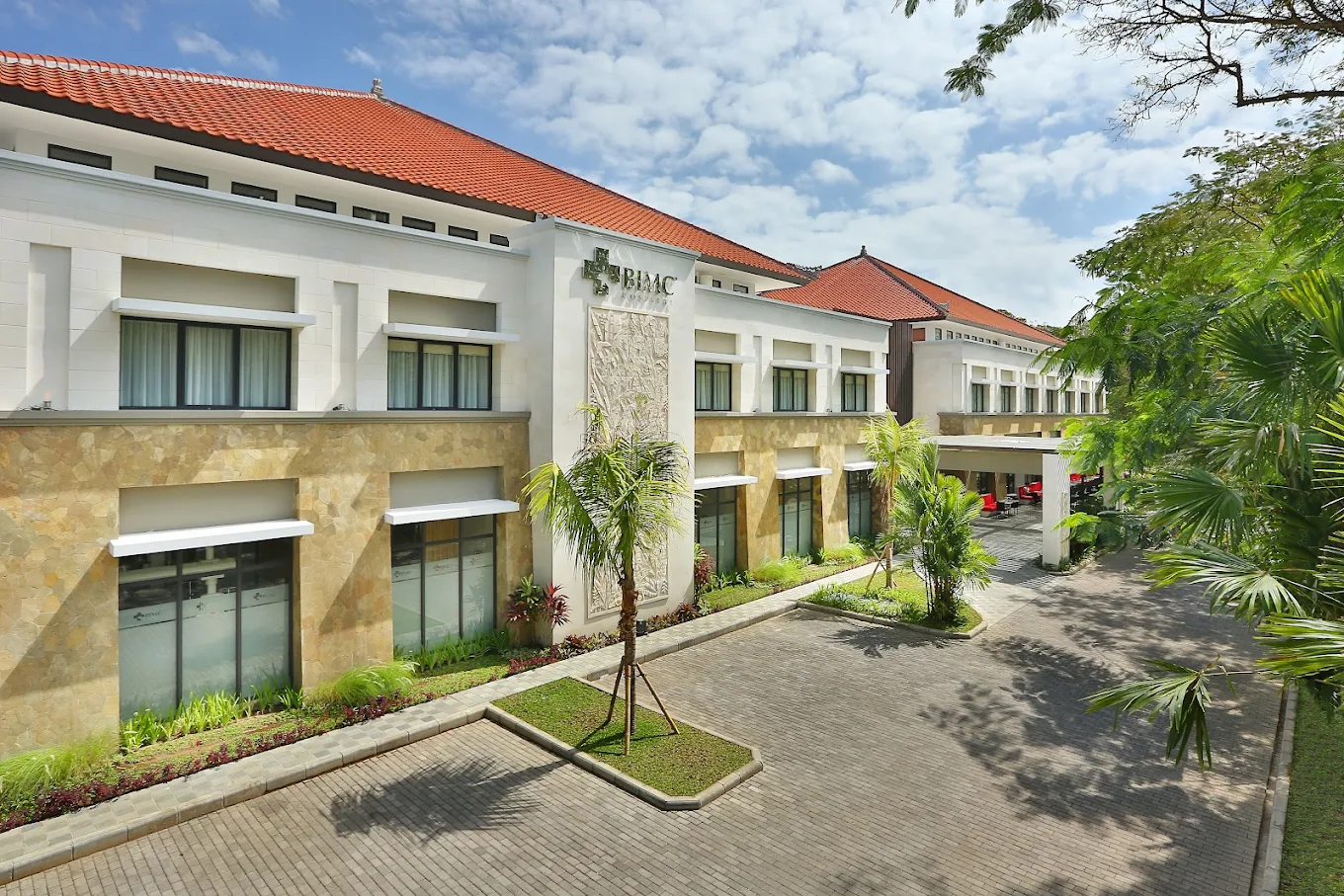
Medical tourism Indonesia. Photograph: BIMC Hospital & Cosmedic Centre Nusa Dua via Google Maps
When people talk about medical tourism, they usually picture patients jetting off to Thailand, Singapore or India.
But now, Indonesia is stepping into the spotlight.
Whether you’re considering treatment here or simply curious about the trend, here’s a clear look at where things stand, what’s driving it, and what you should watch out for.
Table of Contents:
Top Hospitals in Indonesia for Medical Tourism
1. BIMC Siloam Nusa Dua Hospital (Bali)
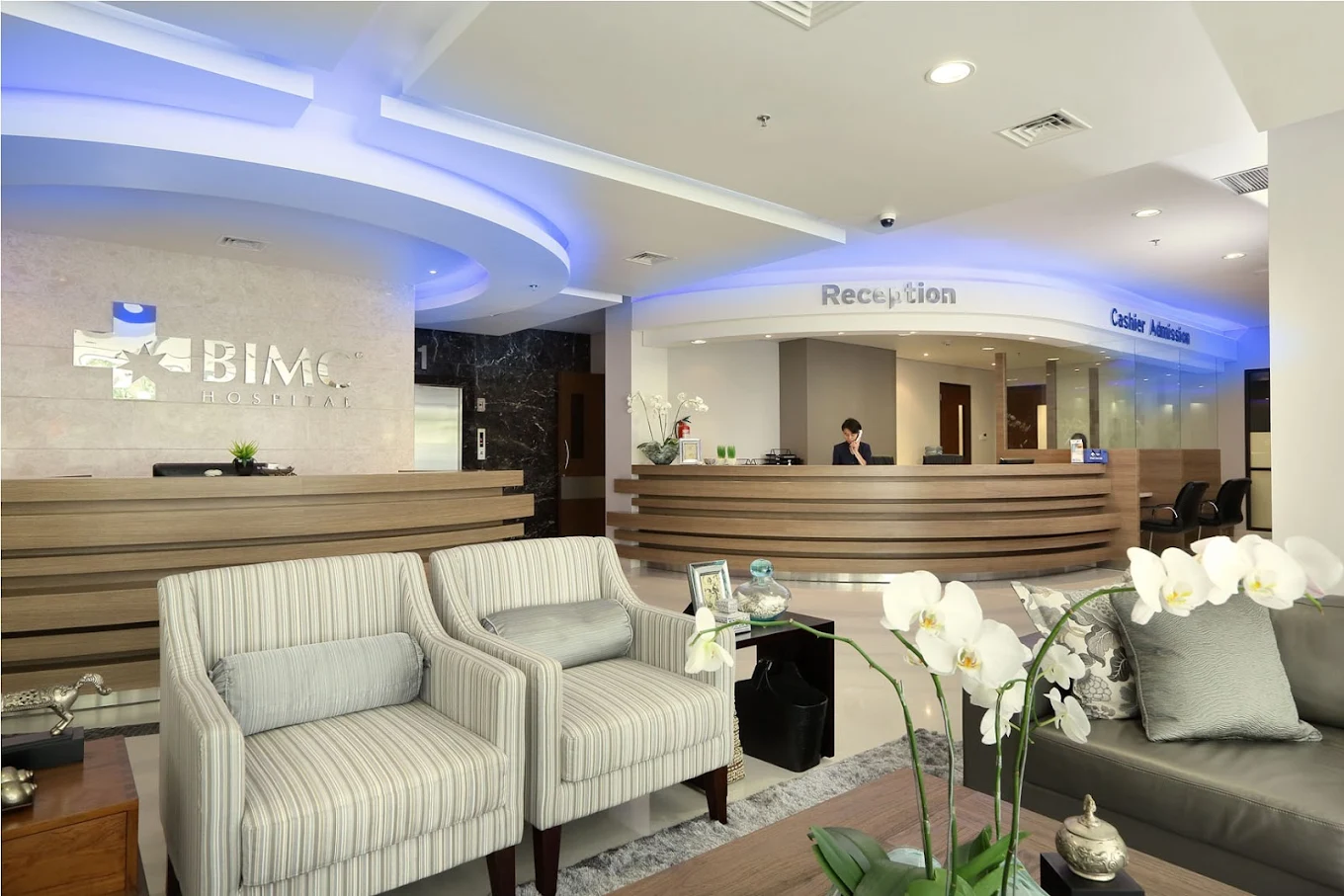
Medical tourism Indonesia. Photograph: BIMC Hospital & Cosmedic Centre Nusa Dua via Google Maps
- Recognised as “Medical Tourism Hospital of the Year 2025 – Indonesia”.
- First hospital in Indonesia to gain the Australian Council on Healthcare Standards International (ACHSI) accreditation.
- Strategically located in Bali’s tourist zone (Nusa Dua) combining high-quality treatment and holiday appeal.
Best suited for elective procedures (cosmetic/aesthetic, dental, wellness) and those seeking a recovery-friendly environment in a resort setting.
2. Siloam Hospitals Lippo Village (Tangerang / Greater Jakarta)
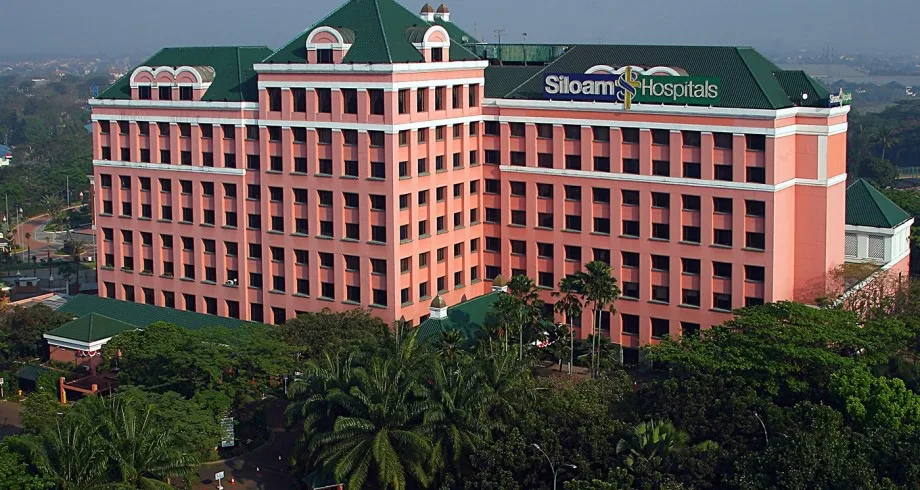
Photograph: Siloam International Hospitals Lippo Village via Google Maps
- Part of the Siloam Hospitals Group which operates 41 hospitals, emphasises international-quality care.
- Recognised for JCI (Joint Commission International) accreditation in some of its units — a strong signal for international patients.
Being near Jakarta gives logistical advantages (international airport, many specialists). Ideal if you prefer city setting rather than resort–recovery environment.
Read more:
Specialist Care in Indonesia for Expats: Hospitals, Insurance, and Medical Tips
3. Rumah Sakit Pondok Indah (Group) (Jakarta)
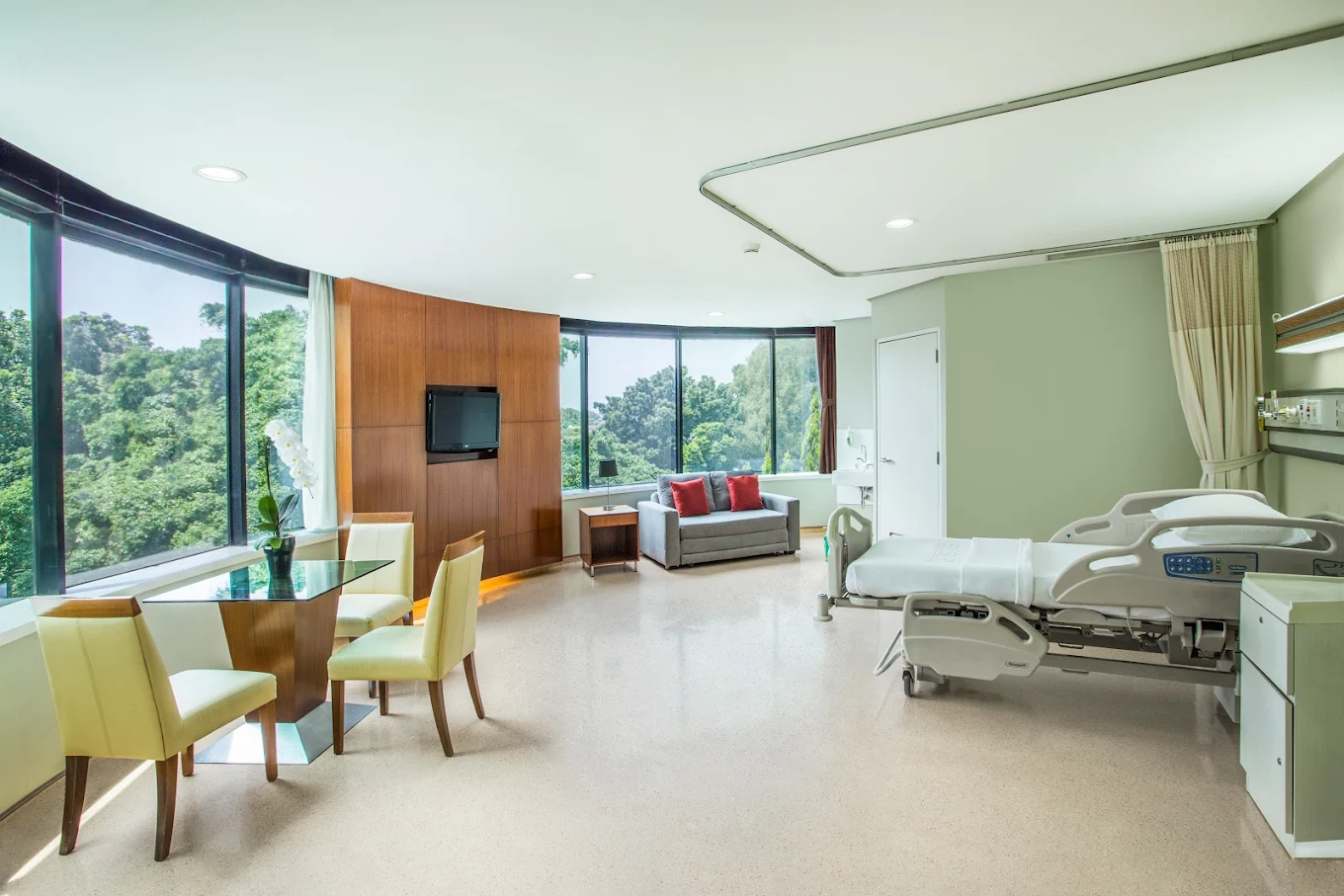
Medical tourism Indonesia. Photograph: RS Pondok Indah – Pondok Indah via Google Maps
- Accredited by JCI across its hospital group, and recognized for adopting international patient services.
- Offers a broad range of advanced specialties (e.g., advanced diagnostics, robotic surgery) in Indonesia’s capital.
Jakarta’s traffic and hotel costs may be higher, so factor that into your logistical and recovery planning.
4. Mayapada Hospital Group
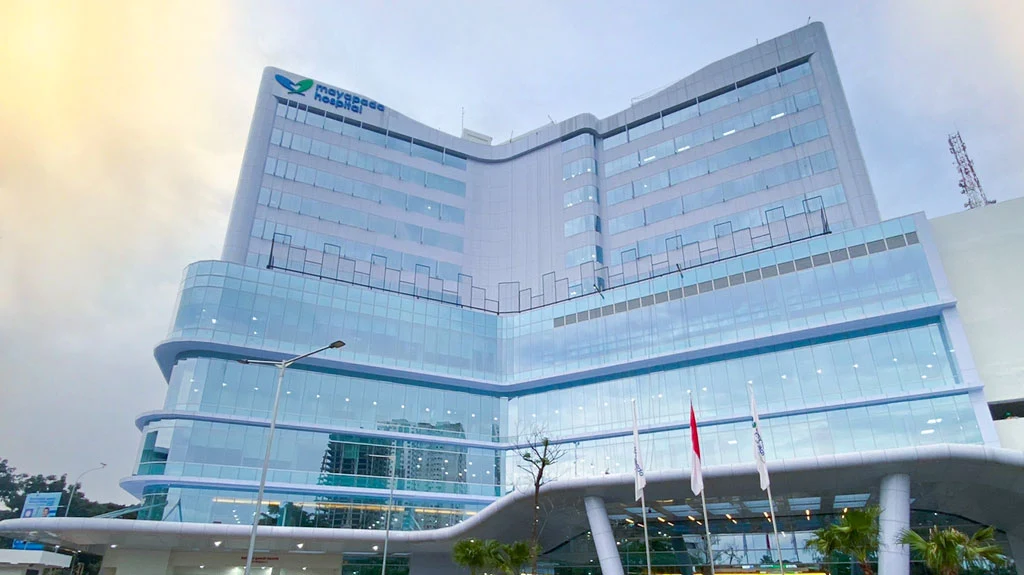
Photograph: Mayapada Hospital Bandung (MHBD) via Google Maps
- Highlighted in medical tourism guides for its modern facilities, range of specialties and readiness for international patients.
- Located in key urban centres (Jakarta / Tangerang) which makes access simpler for foreign visitors.
While strong, always check that your specific treatment team has the required expertise/experience for your condition.
5. Bali International Hospital (Sanur, Bali)
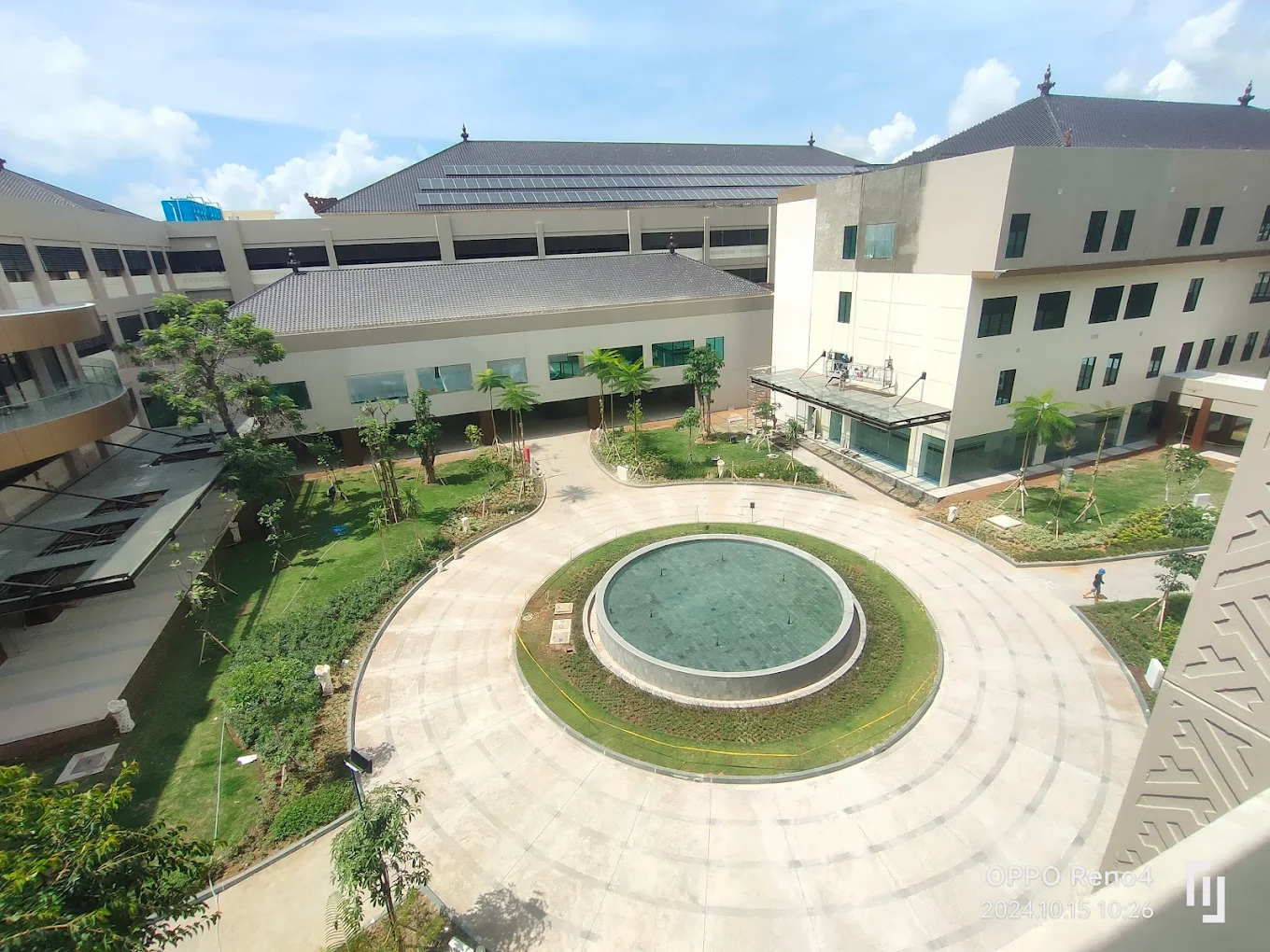
Medical tourism Indonesia. Photograph: Rony Awan via Google Maps
- Located inside the specially-designated medical tourism SEZ in Sanur (Bali), with emphasis on international specialists, globally-approved medicines and a healing/holiday ambience.
- Positioned to serve both domestic and international patients with a luxury environment and advanced specialty centres.
Being newer (or still in development phases for some services) may mean some specialties are still scaling up — check availability for your exact treatment.
Why Indonesia is Joining the Race
A Big Outbound Flow of Patients
Each year, millions of Indonesians travel abroad for medical treatment — some sources estimate around 1 – 2 million people.
In monetary terms, this means an estimated Rp 150 trillion (~US$9–10 billion) leaving the country annually for healthcare.
That’s a strong incentive for the government and private sector to build domestic capacity and attract inbound medical tourists too.
Read more:
How to Find the Right Mental Health Support in Indonesia as an Expat
Growing Infrastructure & Increasing Accreditation
Good news: Indonesia already has a solid foundation. For example, there were 44 internationally accredited hospitals as of 2021, according to the hospital association.
And in June 2025, the launch of a dedicated medical-tourism “Special Economic Zone” (SEZ) in Sanur, Bali marked a major step.
This zone features an international hospital, specialist clinics, hotels, and more.
These moves show that Indonesia is not just a patient-source market (outbound) but is positioning to become a destination for medical tourism.
What Types of Treatments are Common
Medical tourism in Indonesia covers a range of services:
- Health check-ups and diagnostics
- Cosmetic and aesthetic surgery
- Dental care
- Orthopaedics and joint treatments
- Wellness/tourism sets combining medical care + travel experiences
While the top end (complicated surgeries) is still dominated by destinations like Singapore or Malaysia, there is considerable opportunity for mid-to-upper tier treatments in Indonesia at better value.
Main Destinations & Why They Matter
- Bali. With the Sanur SEZ, Bali becomes a flagship location for combining holiday + health care.
- Jakarta / Java. As the business and medical hub of Indonesia, many of the best hospitals and specialists are here.
- Other islands are part of the plan, but infrastructure and standards vary widely, so location matters a lot.
Key Advantages and Strengths
- Cost savings. Medical procedures in Indonesia are generally cheaper than in Western countries and often competitive with nearby regional hubs.
- Holiday factor. Indonesia’s tourism appeal (scenic locations, beaches, culture) makes it attractive for “recover + relax” medical tourism.
- Growing quality. With increased international accreditation and investment, the quality gap is narrowing.
- Government push. With special economic zones, incentives, and promotion, the country is actively enhancing its offers.
Challenges and What to Watch Out for
- Variation in quality. Not all hospitals are equal. Some may lack specialists, advanced equipment, or hotel-style service standards.
- Post-treatment follow-up and insurance. Travel abroad for medical care means you need to plan for what happens after you return home — follow-up care, complications, insurance coverage.
- Hospitality and service experience. Studies show that one reason Indonesians go abroad is less about equipment and more about staff, patient experience and service levels.
- Transport, logistics & travel time. Depending on where you are coming from, travel times, visa issues, language support and ease of access can all make a difference.
- Regulation and accreditation transparency. Ensure the hospital and surgeon are accredited, that standards match what you expect.
Tips if You’re Considering Indonesia for Treatment
- Research the hospital. Check for international accreditation, read patient reviews, ask for surgeon credentials.
- Clarify the package. What’s included? Hospital stay, operating theatre, anaesthetist, follow-ups, travel/visa support?
- Ask about language support / logistics. Will someone help you navigate appointments, translation, transportation, accommodations?
- Plan for recovery + travel. Make sure your travel plans allow sufficient time for recovery before flying home.
- Check insurance. Will your insurance cover overseas treatment? Are there risks if complications occur?
- Get a second opinion. Whether locally or internationally, it’s wise for major procedures.
- Compare with regional alternatives. Indonesia may offer a sweet spot — but sometimes Singapore or Malaysia might still be better for very high-risk cases.
*
Medical tourism in Indonesia is on the up.
With strong government backing, dedicated special zones like the Sanur SEZ in Bali, and growing hospital accreditation, the country is positioning itself as a serious destination.
But as with any international treatment, due diligence is key.
The offer is compelling: quality care, holiday setting, cost savings — but you’ll get the most value if you treat it like any major decision: research, compare, ask questions, plan recovery.