


 Download Aplikasi Rumah123
 Cari Agen
 Aset Bank
 Explore
 Berita
 Bantuan
 Download Aplikasi
Safety in Indonesia for Expats | Living Guide
Last updated October 31, 2025 · 5 min read · by Imam
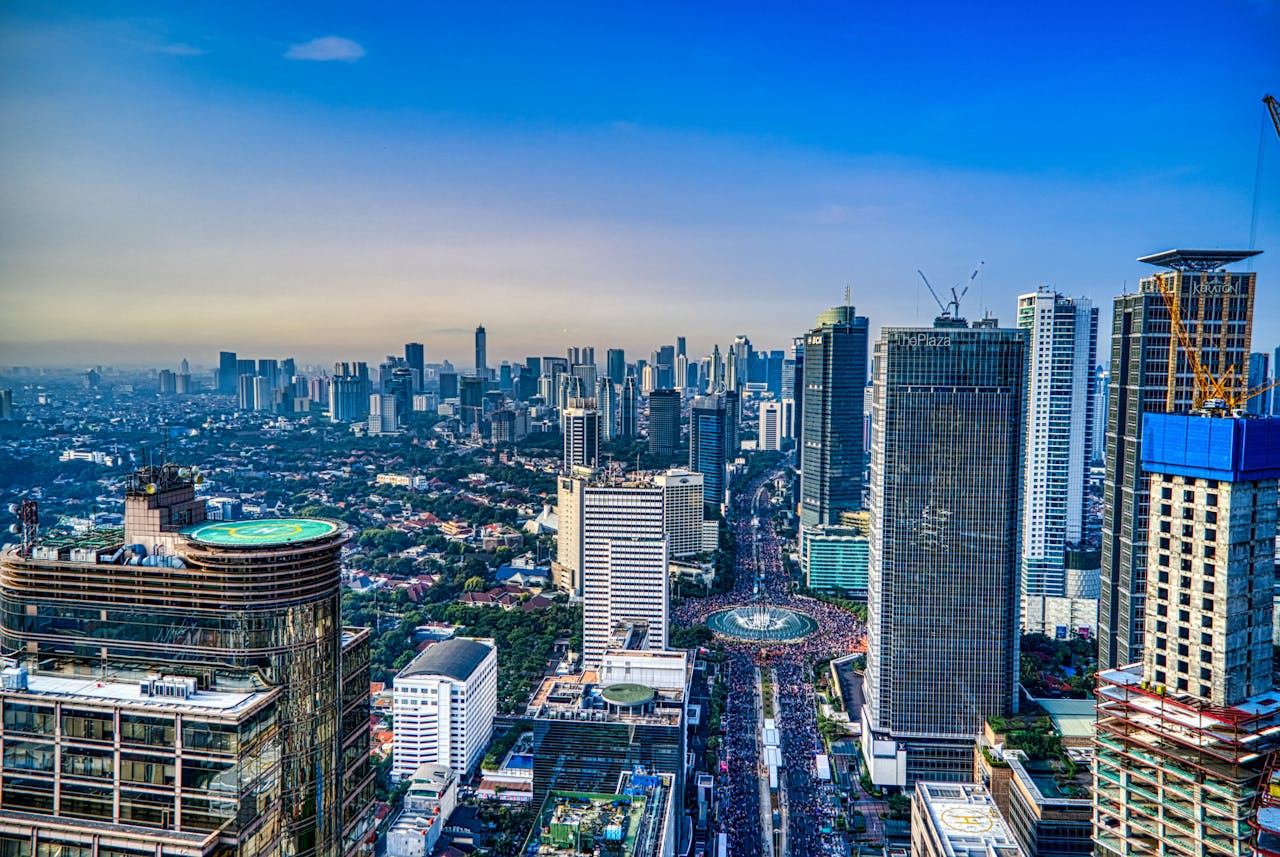
Safety in Indonesia for expats. Photograph: Tom Fisk via Pexels
If you’re considering living in Indonesia as an expat, one of the main questions will be: How safe is it?
The good news: many expats live here comfortably — but “safe” does not mean “risk-free”. Awareness, preparation and sensible habits make all the difference.
Table of Contents:
The Big Picture: How Safe is Indonesia?
- According to a 2024 “Expat Guide” the country scores 67/100 (“vigilance necessary”) for overall safety.
- The Australian government’s travel advice says you must “exercise a high degree of caution” overall.
- The UK Foreign Travel Advice also warns of risk of small-scale terrorist attacks at places visited by foreigners (resorts, hotels, bars) and advises vigilance in crowded spaces.
Indonesia is reasonably safe compared to many places, but you’ll need to stay alert, especially in key risk-areas (tourist zones, night transport, remote regions).
Key Safety Considerations for Expats
Here are the main areas to watch, plus what you can do to keep them low-risk.
1. Crime and Petty Theft
- Petty theft (pick-pocketing, bag snatching) is among the most common offences, especially in crowded tourist spots, market areas and on public transport.
One Reddit user noted:
“Mostly just petty crime (pickpocket, phone grab).”
- Some more serious cases (carjackings, unlicensed taxis) are reported — meaning you should choose licensed/known transport services.
What you can do:
- Keep valuables out of sight, don’t carry large sums of cash.
- Use ride-hailing apps (Grab / Gojek) or reputable taxi lines instead of hailing from the street.
- Avoid walking alone at night in unfamiliar or dimly lit areas.
2. Scams and Fraud
- Fraud around ATMs and credit cards is flagged, including card skimming and fake ‘official’ approaches.
- Unsolicited offers (e.g., tours, services) could be scams.
What you can do:
- Use ATMs in banks or malls, check for tampering.
- Keep your card in view when using it.
- Be cautious of anyone pressing you to pay upfront for services you didn’t ask for.
3. Transport & Urban Traffic
- Traffic in major cities like Jakarta is chaotic: pedestrians must be very careful when crossing roads; motorbikes often weave through tight spaces.
What you can do:
- When driving, keep doors locked, windows up.
- Use well-known transport services; avoid unlicensed ride-offers.
- Allow extra travel time; stress and rushing can increase accident risk.
Looking for a place to stay while working in Jakarta’s CBD? The Elements Apartment offers an elegant, modern living experience right in the heart of Rasuna Epicentrum, Kuningan, one of Jakarta’s most established and well-planned neighborhoods.
4. Cultural & Legal Awareness
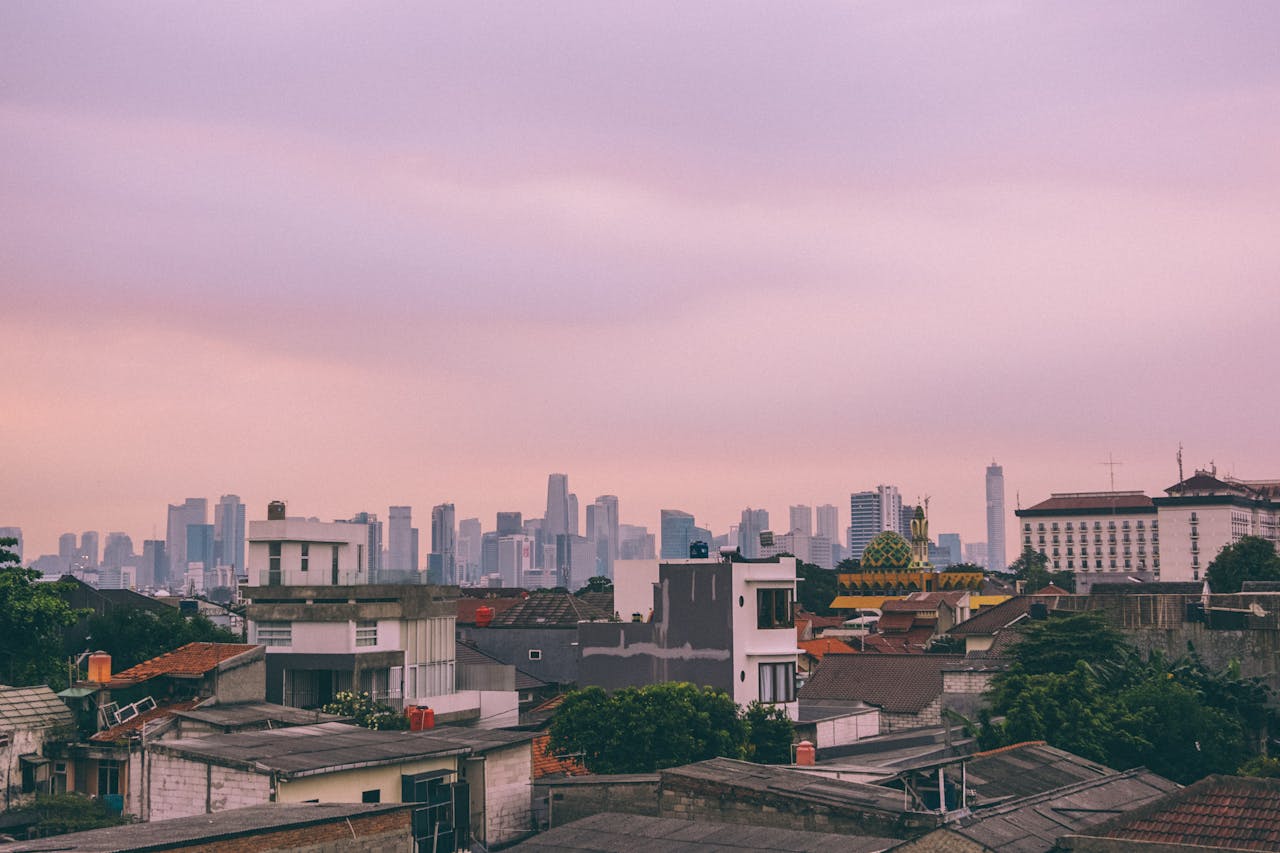
Safety in Indonesia for expats. Photograph: Alifia Harina via Pexels
- Indonesia has conservative cultural norms in many places (especially in rural/less touristy areas) — dress modestly where appropriate, respect religious sites.
- Some laws carry severe penalties — drugs, e-cigarettes, and unlicensed medications are risky.
What you can do:
- Learn basic local customs; showing respect goes a long way.
- Know the local laws about residency, visas (your visa status affects your rights).
- Carry your ID/residence permit copies at all times.
5. Natural Disasters & Remote-Area Risks
- Indonesia sits on the “Ring of Fire”: earthquakes, tsunamis, volcanic activity and flooding are real risks — especially outside major urban hubs.
- In remote areas healthcare and infrastructure may be limited; diseases like dengue, malaria may be more common.
What you can do:
- Choose housing with good structural safety, insurance.
- If exploring remote areas, make sure logistics, communications and emergency plans are in place.
- Stay informed via local authorities about weather / disaster alerts.
Experience high-end living at Cluster Richmond, Kota Wisata Cibubur – where premium design meets unbeatable accessibility. Just 1 minute from the Nagrak Toll Gate and 18 minutes to the LRT Station.
Top Safety Practices for Expat Life
Here’s a checklist to make your expat life in Indonesia smoother and safer:
- Choose an apartment/house in a well-managed complex (gated, 24h security) if you can.
- Meet your neighbours / join the local community — being connected adds informal safety.
- Register with your embassy or consulate once you’re settled.
- Keep digital copies of important documents (passport, visa, insurance) and store originals securely.
- Establish a reliable transport routine and preferred apps.
- Learn some Bahasa Indonesia phrases; being able to communicate builds confidence and reduces vulnerability.
- Maintain health insurance that covers repatriation or emergency medical evacuation — especially if you might venture outside major cities.
- Keep copies of emergency numbers in your phone: police (112/110), ambulance, etc. (check for city-specific numbers).
- Review travel advisories (your home country’s site) before planning regional trips within Indonesia — some provinces have higher risk levels.
Read more:
Living in Sanur Bali for Retirees: Where Every Day Feels Like a Holiday
Indonesia offers vibrant culture, warm hospitality and an affordable lifestyle for many expats.
With some common-sense preparation and awareness, you can significantly reduce risks and enjoy your time here.
Just remember: safe doesn’t mean carefree — you’re in a new context, so adapt your habits, stay alert, and you’ll make the most of what this unique country has to offer.