


 Download Aplikasi Rumah123
 Cari Agen
 Aset Bank
 Explore
 Berita
 Bantuan
 Download Aplikasi
The Complete Guide to Tax Regulations in Indonesia for 2025
Published on October 28, 2025 · 5 min read · by Ilham Budiman

For expatriates living or working in Indonesia, understanding tax regulations in Indonesia is essential, as these rules directly affect both their professional and personal lives.
In general, you are considered a tax resident if you stay in Indonesia for more than 183 days within a 12-month period, or if you arrive with a clear intention to reside in the country.
This intention can be demonstrated not only through official documents such as a long-term work visa, but also through practical steps like relocating your family, renting a home, enrolling children in local schools, or opening an Indonesian bank account.
A significant development in tax regulations in Indonesia came with the 2023 Job Creation Law, which introduced new rules for certain categories of skilled expatriates.
Foreign professionals with at least five years of experience in fields such as science, technology, or mathematics, and who commit to sharing their expertise in Indonesia, may opt for a territorial tax system.
Under this scheme, only income earned within Indonesia is subject to tax during the first four years of their residency.
While this option can provide meaningful relief for newcomers, it also comes with trade-offs.
Expatriates who choose the territorial system cannot simultaneously benefit from double taxation treaties during that period.
Therefore, careful tax planning is required to evaluate which arrangement is most advantageous.
It is also important to note that exemptions apply to specific groups such as diplomats, military personnel, and representatives of international organizations.
Even if they remain in Indonesia for more than 183 days, they are generally not treated as tax residents under Indonesian law.
Overview of Tax Regulations in Indonesia

Unsplash/Kelly Sikkema
The Indonesian tax system is overseen by the Directorate General of Taxes (DGT), which operates under the Ministry of Finance.
The main types of taxes applicable in Indonesia include income tax, value-added tax (VAT), and withholding taxes.
The rules that apply to expatriates may differ depending on whether they are classified as tax residents or non-residents.
A tax resident in Indonesia is defined as someone who stays in the country for more than 183 days within a 12-month period or has the intention to reside in Indonesia.
Tax residents are subject to Indonesian taxation on their worldwide income, whereas non-residents are taxed only on income sourced from Indonesia.
Understanding this distinction is crucial for expatriates, as it directly affects their tax obligations.
Income Tax for Expatriates
One of the most important aspects of tax regulations in Indonesia for expatriates is the personal income tax system.
Indonesia applies a progressive tax rate for individuals, ranging from 5% to 35% based on annual taxable income.
The tax brackets are periodically updated, and expatriates must ensure they comply with the current rates.
Income earned in Indonesia by foreign employees is subject to withholding tax, which is typically deducted by the employer before payment.
Expatriates may also receive allowances or benefits such as housing, transportation, and education for children, which can be partially taxable depending on the specific circumstances.
Consulting with a tax professional can help determine the correct treatment of these benefits.
Tax Identification Number (NPWP)
Every taxpayer in Indonesia, including expatriates, must obtain a Tax Identification Number (Nomor Pokok Wajib Pajak or NPWP).
This number is necessary for filing tax returns, paying taxes, and conducting various financial transactions.
Failure to obtain an NPWP can result in higher tax rates and administrative penalties.
Double Taxation Agreements (DTAs)
Indonesia has entered into Double Taxation Agreements with several countries to prevent double taxation for expatriates earning income both in Indonesia and abroad.
DTAs are particularly relevant for expatriates who maintain financial ties to their home countries.
These agreements typically provide relief by allowing tax credits or exemptions, ensuring that the same income is not taxed twice.
Read more:
Understanding Immigration Rules for Retirees in Indonesia
Reporting and Filing Requirements
Unsplash/Leon Dewiwje
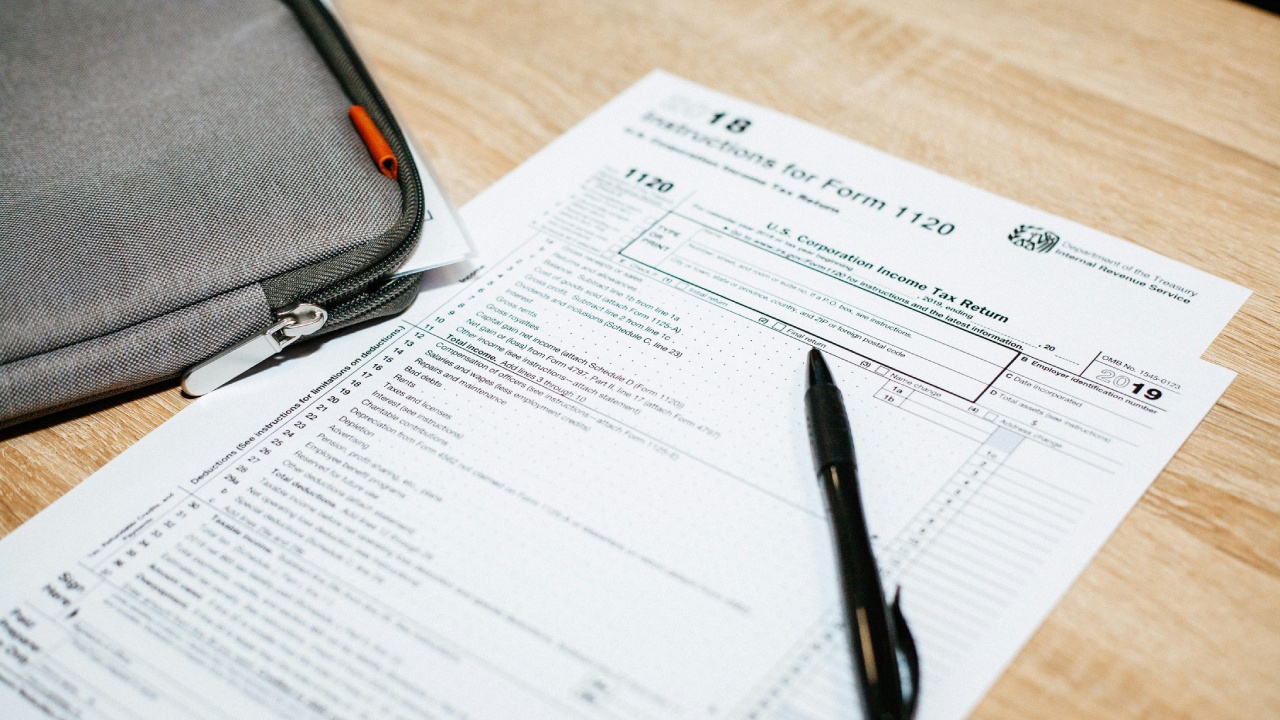
Expatriates are required to file an annual tax return, generally due by March 31 of the following year.
The tax return must include all sources of taxable income earned during the tax year.
Employers usually provide a statement of income (Form 1721-A1 or A2), which serves as the basis for filing individual tax returns.
Additionally, expatriates engaged in business or investment activities in Indonesia may have additional reporting obligations, such as VAT returns or corporate tax filings.
Staying compliant with these requirements is essential to avoid audits and penalties.
Read more:
Bank Account Opening in Indonesia: Requirements, Types, and Procedures for Foreigners
Other Relevant Taxes
Apart from personal income tax, expatriates may encounter other types of taxes under Indonesian regulations. These include:
- Value-Added Tax (VAT): Charged at 11% on most goods and services, VAT is typically included in invoices for business transactions.
- Withholding Taxes: Applied to certain payments such as dividends, interest, royalties, and fees for services provided by non-residents.
- Luxury Goods Tax (LGT): Applicable to high-end items such as luxury vehicles, yachts, and certain imported goods.
Understanding these taxes can help expatriates plan their finances effectively and avoid unexpected liabilities.
Given the complexity of tax regulations in Indonesia, expatriates are strongly advised to seek professional guidance.
Tax consultants or legal advisors can help with registration, tax planning, and filing, ensuring compliance with Indonesian laws while optimizing tax efficiency.
That’s the overview of tax regulations in Indonesia.
We hope you find this information useful.
If you’re looking for property in Indonesia, visit Rumah123!