


 Download Aplikasi Rumah123
 Cari Agen
 Aset Bank
 Explore
 Berita
 Bantuan
 Download Aplikasi
A Practical Guide to Special Needs Education in Indonesia for Expat Families
Published on November 20, 2025 · 5 min read · by Alya Zulfikar

Special needs education in Indonesia for expat families is becoming an increasingly important topic as more international parents seek supportive learning environments for their children.
Indonesia’s education landscape is evolving, and major cities such as Jakarta, Bali, and Surabaya now offer a growing selection of inclusive programs within international schools.
These institutions adopt global teaching standards and provide individualized support for students with academic, developmental, or behavioral needs.
For parents relocating or already living in the country, understanding how special needs education in Indonesia for expat families is structured helps clarify what types of services and learning environments are available.
With better insight into these systems, families can make informed decisions that support long-term academic growth, emotional wellbeing, and daily stability.
The right information empowers parents to select a school that aligns with their child’s unique strengths and challenges.
Overview of Special Needs Education in Indonesia for Expat Families

Special needs education in Indonesia continues to grow as more international schools adopt inclusive practices and specialized programs.
These schools provide structured support aligned with global expectations, allowing them to accommodate diverse learning needs more effectively.
Understanding how these programs are distributed across the country helps families evaluate which locations offer the strongest support.
Where Support Is Most Available
Most well-developed SEN programs are located in:
- Jakarta
- Bali
- Surabaya
These cities have larger expat communities, established international schools, and better access to therapy providers and specialists.
Leading Schools With Active SEN Programs
Several international schools in Indonesia stand out for their comprehensive SEN services.
• Jakarta Intercultural School (JIS)
Offers the JIS Learning Center for moderate to severe learning challenges.
However, it cannot admit students with profound needs, significant mobility issues, or those requiring high levels of personal care, such as non-verbal or non-toilet-trained children.
• British School Jakarta (BSJ)
Provides learning support teams, small class sizes, and access to therapy services.
• ACG School Jakarta
Delivers flexible curriculum adjustments tailored to individual learning needs.
• Mawar Sharon Christian School
Implements therapy-based SEN programs but uses Bahasa Indonesia as the primary instructional language, which may challenge non-Indonesian-speaking students.
Common Support Services Provided
International schools typically offer a combination of academic and therapeutic support such as:
- Individualized learning plans
- Speech therapy
- Occupational therapy
- Behavioral intervention
- Social skills development
These services reflect how special needs education in Indonesia for expat families is expanding and becoming more accessible in major regions.
Types of Special Needs Support Available in International Schools
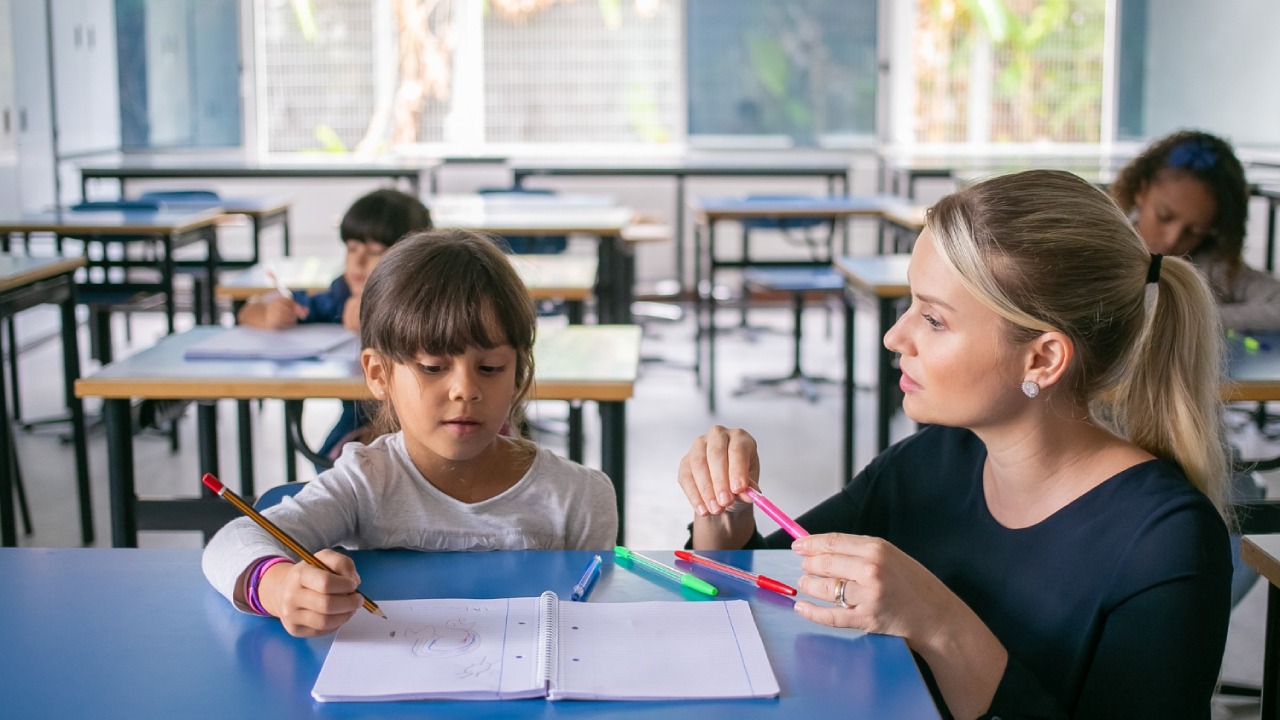
Once families know where programs exist, the next step is understanding the specific support options offered.
These services determine whether an international school can meet a child’s learning, emotional, and social development needs.
1. Individualized Education Plans (IEPs)
IEPs outline personalized learning goals, intervention strategies, assessment adjustments, and behavioral expectations.
This ensures every child receives instruction tailored to their abilities.
2. School-Based Specialists and Therapists
International schools often employ therapists and specialists such as:
- Speech-language therapists
- Occupational therapists
- Behavioral interventionists
- Learning support coordinators
On-campus staff allow for consistent and coordinated intervention.
3. Academic Modifications and Adjustments
Common modifications include:
- Reduced workloads
- Extra time for class tasks
- Alternative assessments
- One-on-one academic support
These adjustments help students stay confident and engaged.
4. Emotional and Social Development Programs
Schools regularly provide:
- Counseling
- Social skills groups
- Peer buddy programs
- Behavior coaching
These programs strengthen emotional balance and social connection.
5. Life Skills and Vocational Training
Older students may join programs focused on:
- Daily living skills
- Functional academics
- Pre-vocational training
- Community-based learning
These prepare learners for greater independence in adulthood.
Together, these supports strengthen special needs education in Indonesia for expat families by combining academic support, therapeutic intervention, and long-term life readiness.
Key Considerations for Expat Families Choosing Special Needs Education in Indonesia
Parents must evaluate several factors to ensure the chosen school offers the right long-term support.
These considerations help align expectations and maintain a stable, nurturing learning environment.
1. Program Suitability for the Child’s Needs
Families should assess whether the school supports mild, moderate, or severe needs.
Most international schools accommodate mild-to-moderate learning differences, while children with profound disabilities or complex medical needs often require specialized education centers.
2. Staff Qualifications and Experience
Parents should evaluate the school’s:
- SEN teacher certifications
- Therapist experience
- Intervention specialist availability
- Training of support staff
Staff expertise strongly influences progress.
3. Class Size and Classroom Ratios
Smaller class sizes allow for:
- More individualized instruction
- Better behavior support
- Closer monitoring
This is crucial for children needing consistent guidance.
4. Location, Accessibility, and Logistics
Parents should consider:
- Daily commute
- Traffic conditions
- Building accessibility
- Proximity to hospitals or therapy centers
A convenient location helps maintain steady routines.
5. Legal Requirements and School Policies
Families must confirm:
- Visa permissions
- Whether external therapists are allowed
- Required documentation for SEN placement
Clear policies ensure smoother transitions.
6. Inclusion and Extracurricular Participation
Parents should confirm whether SEN students are allowed to participate in:
- Arts
- Sports
- Clubs
- School events
These activities foster emotional and social growth.
Finding the right special needs education in Indonesia for expat families requires careful consideration, research, and realistic expectations.
By assessing school programs, staff expertise, and available support services, families can choose an environment that nurtures both academic and emotional development.
To explore family-friendly neighborhoods and housing options near top international schools, visit Rumah123 for trusted listings and guidance.