


 Download Aplikasi Rumah123
 Cari Agen
 Aset Bank
 Explore
 Berita
 Bantuan
 Download Aplikasi
School Choice Checklist for Expat Families Moving to Indonesia
Published on June 25, 2026 · 4 min read · by Ilham Budiman
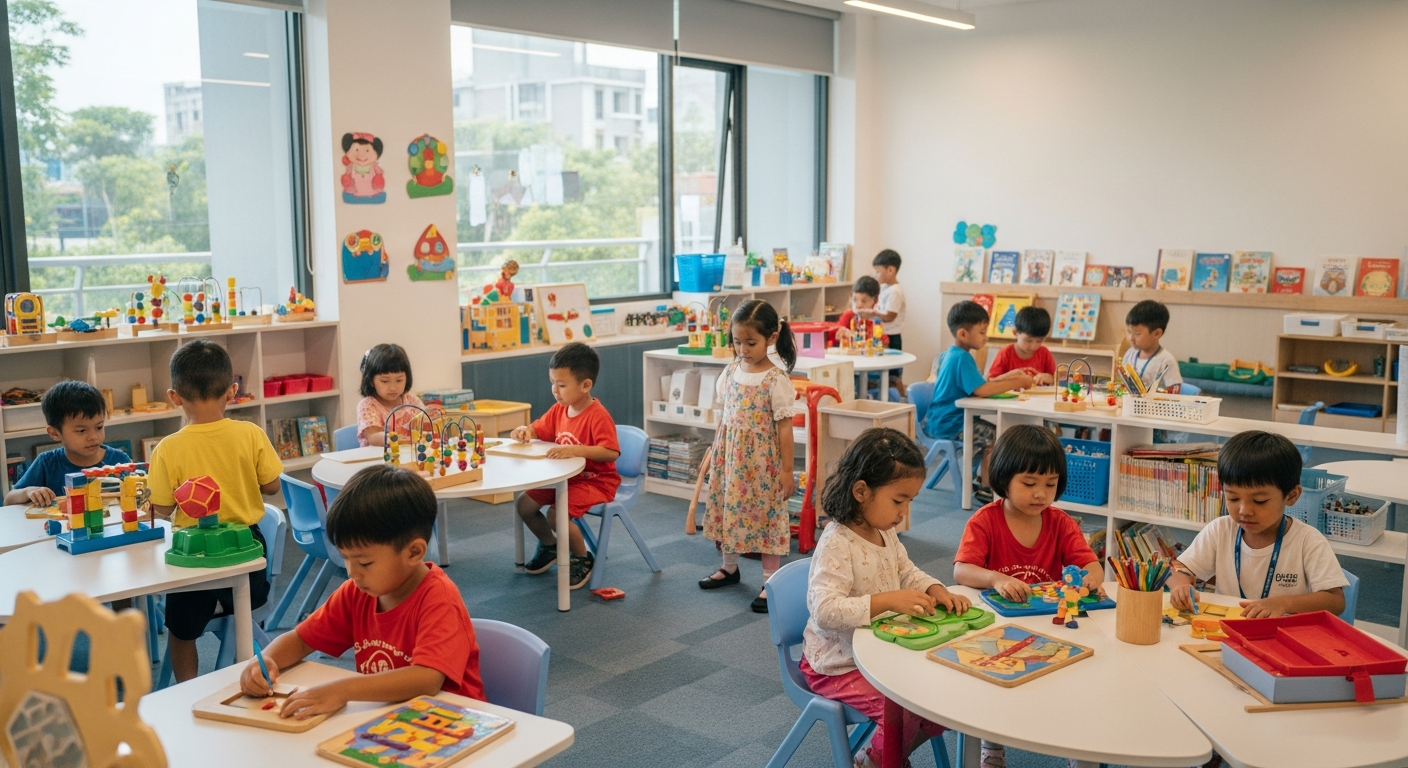
A well-prepared school choice checklist for expat families can help parents evaluate different options and find the best educational environment for their children.
It also helps families compare schools based on curriculum, location, facilities, and student support, making the transition to a new country easier and more organized.
Why a School Choice Checklist for Expat Families Matters?
Every child has different learning needs, interests, and goals.
For expatriate families, selecting a school is not only about academics but also about helping children adapt to a new culture and environment.
Using a school choice checklist for expat families makes it easier to compare schools and make a more informed decision before relocating.
School Choice Checklist for Expat Families
1. Check the School Curriculum
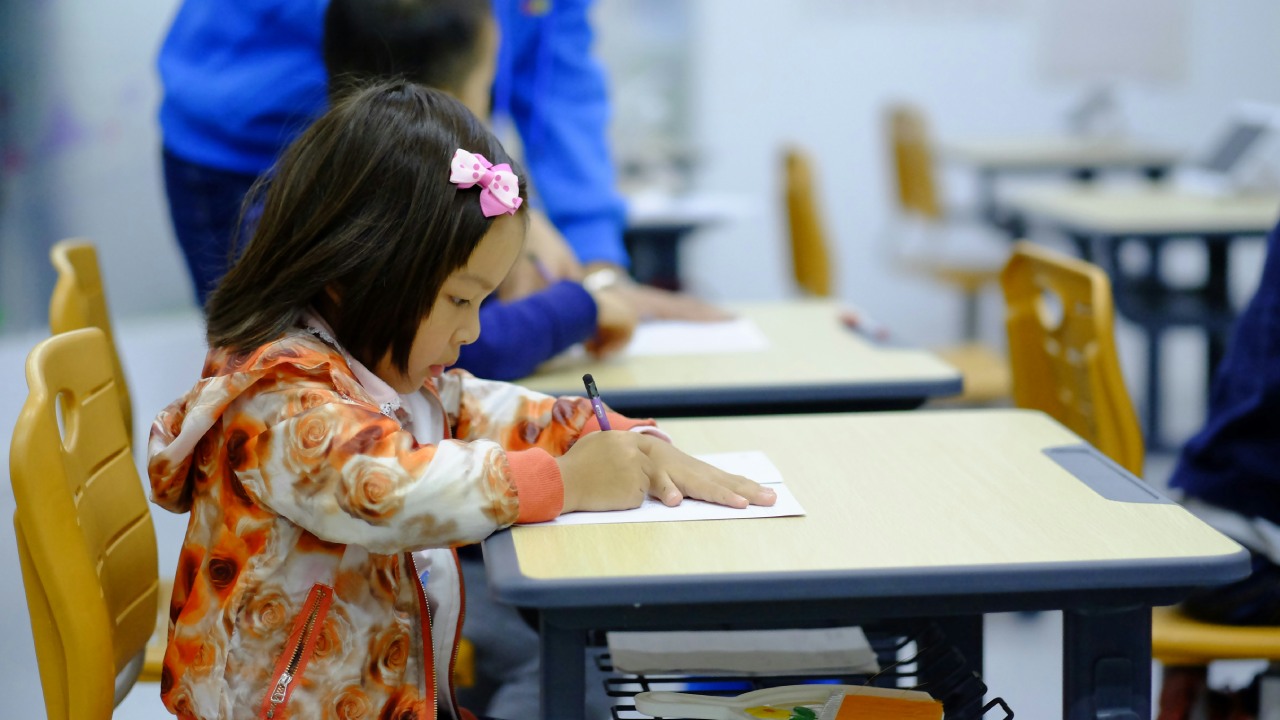
Unsplash/Jerry Wang
One of the first things to consider is the curriculum offered by the school.
Many international schools in Indonesia provide globally recognized programs such as:
- International Baccalaureate (IB)
- Cambridge Curriculum
- British Curriculum
- American Curriculum
- Australian Curriculum
Parents should choose a curriculum that aligns with their child’s educational background and future plans.
A consistent curriculum can make transitions between countries much smoother.
Read more:
Top Curriculum in Indonesian International Schools for Expat Families
2. Evaluate Academic Performance
Academic quality should be a key part of your school choice checklist for expat families.
Research the school’s:
- Graduation rates
- University placement records
- Academic achievements
- Student assessment results
While grades are important, parents should also look at how schools support critical thinking, creativity, and problem-solving skills.
3. Consider the School’s Location
The location of the school can significantly affect a family’s daily routine.
Long commuting times may cause unnecessary stress for both parents and children.
Ideally, families should choose a home that provides convenient access to quality schools.
For example, families living at The Elements in South Jakarta can enjoy access to various international schools located within Jakarta’s major education and business districts, making daily transportation more practical and efficient.
4. Review Class Sizes
Class size can influence the quality of education and student engagement.
Smaller classes often allow teachers to:
- Provide more individual attention
- Monitor student progress closely
- Encourage classroom participation
- Support different learning styles
When comparing schools, ask about the average number of students in each classroom.
5. Explore Extracurricular Activities
Education goes beyond academics.
A good school choice checklist for expat families should include extracurricular opportunities such as:
- Sports programs
- Music and arts
- Robotics clubs
- Debate teams
- Community service activities
- Language programs
These activities help children develop social skills, confidence, and personal interests outside the classroom.
6. Assess Student Support Services
Relocating to a new country can be challenging for children.
Many international schools offer support services including:
- Counseling programs
- Language assistance
- Learning support specialists
- Student wellbeing programs
These resources can help children adjust more comfortably to their new environment and school community.
7. Examine School Facilities
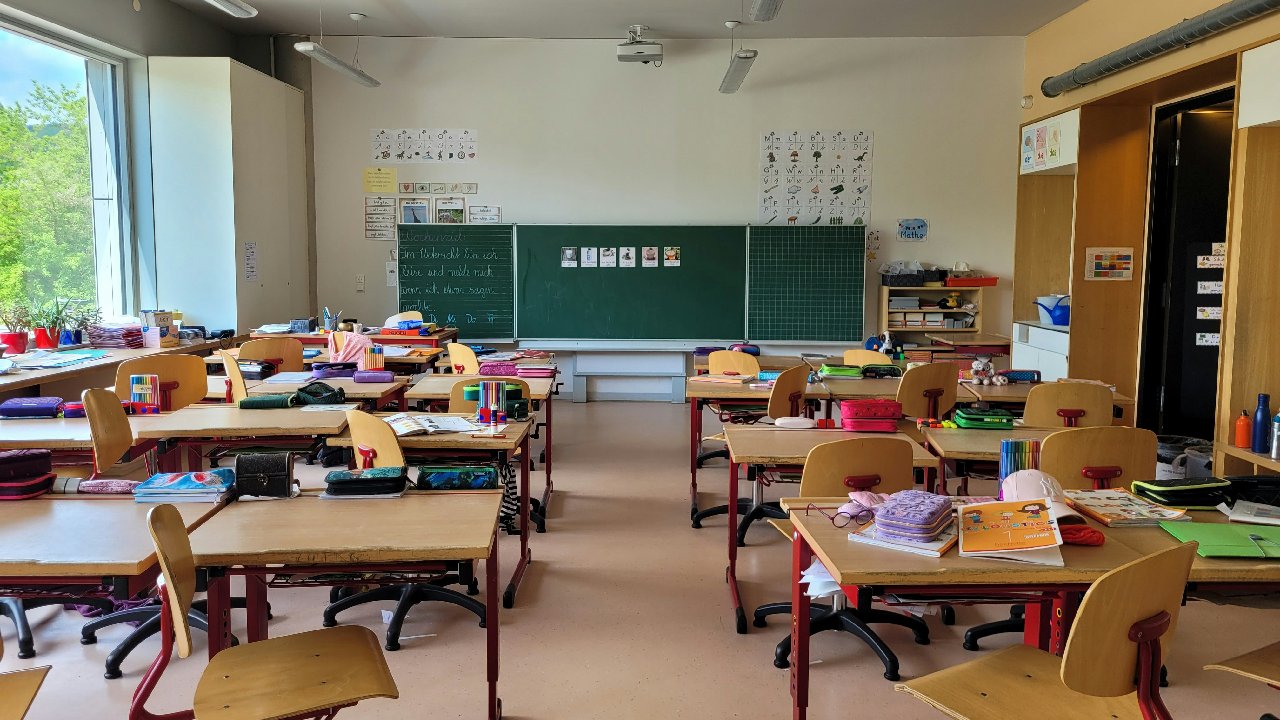
Unsplash/Nathan Cima
School facilities play an important role in creating a positive learning experience.
Parents should evaluate whether the school provides:
- Modern classrooms
- Science laboratories
- Libraries
- Sports facilities
- Technology resources
- Safe outdoor spaces
Well-maintained facilities can support both academic and personal development.
8. Look at Diversity and International Environment
One reason many expatriate families choose international schools is the multicultural environment.
A diverse student body helps children:
- Build global perspectives
- Learn about different cultures
- Develop communication skills
- Form international friendships
Schools with strong diversity programs often provide a more welcoming atmosphere for newly arrived students.
9. Review Safety and Security Measures
Safety should always be a top priority.
When visiting a school, check for:
- Security personnel
- Visitor screening procedures
- Emergency response plans
- Health and safety policies
- Transportation safety measures
A secure environment helps parents feel confident about their children’s wellbeing.
Read more:
7 Best International Schools in Jakarta with Modern Facilities and Detailed Fees
10. Visit the School Before Making a Decision
Whenever possible, schedule a school visit.
A campus tour allows parents to observe:
- Classroom environments
- Teacher interactions
- Student engagement
- School culture
- Overall atmosphere
Speaking directly with administrators and teachers can provide valuable insights that may not be available online.
If you are looking for a comfortable home near Jakarta’s educational and business hubs, explore a wide range of property options on Rumah123.