


 Download Aplikasi Rumah123
 Cari Agen
 Aset Bank
 Explore
 Berita
 Bantuan
 Download Aplikasi
Housing Budget Planning for Expats in Indonesia and How to Find the Right Home
Published on June 10, 2026 · 6 min read · by Ilham Budiman

Unsplash/Fauzan
Housing budget planning for expats in Indonesia is an important part of preparing for life in the country.
Whether moving for work, business, or a long-term stay, expats need to understand housing costs before choosing a place to live.
Rental prices vary depending on the city, location, property type, and facilities offered. With proper planning, expats can find comfortable accommodation while keeping their finances under control.
Why Housing Budget Planning for Expats in Indonesia Matters?
Housing is often one of the largest expenses for expats living in Indonesia. Without a clear budget, it can be easy to overspend on rent and related housing costs.
A well-planned housing budget helps expats determine how much they can afford each month, compare different housing options, and avoid unexpected financial challenges.
It also ensures that there is enough money available for other necessities such as transportation, healthcare, education, and daily living expenses.
By setting realistic expectations from the beginning, expats can make better decisions and enjoy a smoother relocation experience.
Read more:
Buying a Home in Indonesia: A Guide for Expatriates
Understanding Housing Costs in Indonesia
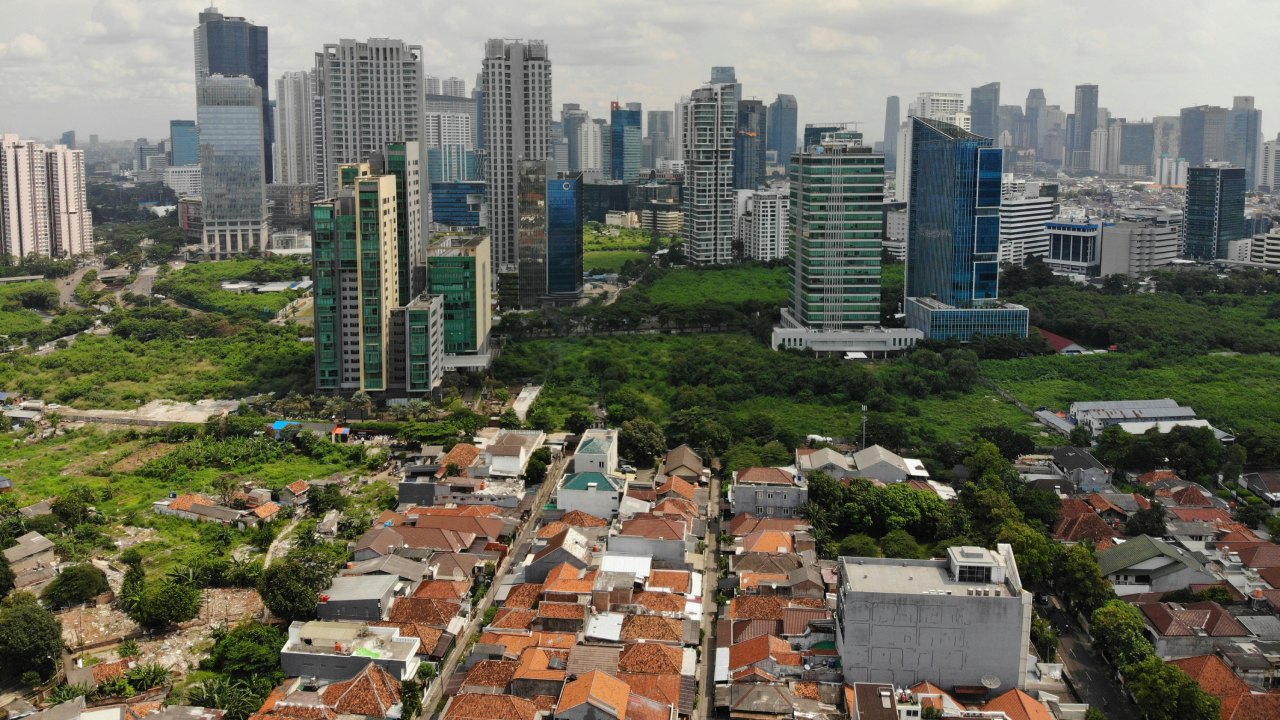
Cover image: Unsplash/Afif Ramdhasuma
The first step in housing budget planning for expats in Indonesia is understanding the different expenses involved.
The main cost is rent, which can vary significantly across the country.
Properties in major cities such as Jakarta, Surabaya, and Bali generally have higher rental prices than those in smaller cities.
Luxury apartments and homes in premium locations also tend to cost more.
In addition to rent, expats should consider other housing-related expenses, including:
- Electricity bills
- Water bills
- Internet services
- Building maintenance fees
- Parking fees
- Security charges
Some rental properties include certain utilities and maintenance costs in the rental price, while others charge them separately.
Reviewing these details before signing a lease can help avoid unexpected expenses.
Choosing the Right Location
Location is one of the biggest factors affecting housing costs in Indonesia.
Expats should choose an area that fits both their budget and lifestyle needs.
Living near the workplace can reduce commuting time and transportation expenses, but properties in business districts are usually more expensive.
Meanwhile, areas farther from city centers may offer lower rental prices and larger living spaces.
For example, The Elements in South Jakarta is located in the Kuningan area, one of Jakarta’s most important business districts.
The apartment provides convenient access to offices, embassies, shopping centers, and lifestyle facilities.
Although accommodation in prime locations often comes with a higher rental cost, many expats find the convenience worthwhile.
Before selecting a property, expats should consider:
- Distance to work
- Access to public transportation
- Nearby schools
- Healthcare facilities
- Shopping centers
- Safety and security
Finding the right balance between convenience and affordability is a key part of successful housing budget planning.
Deciding Between Apartments and Houses
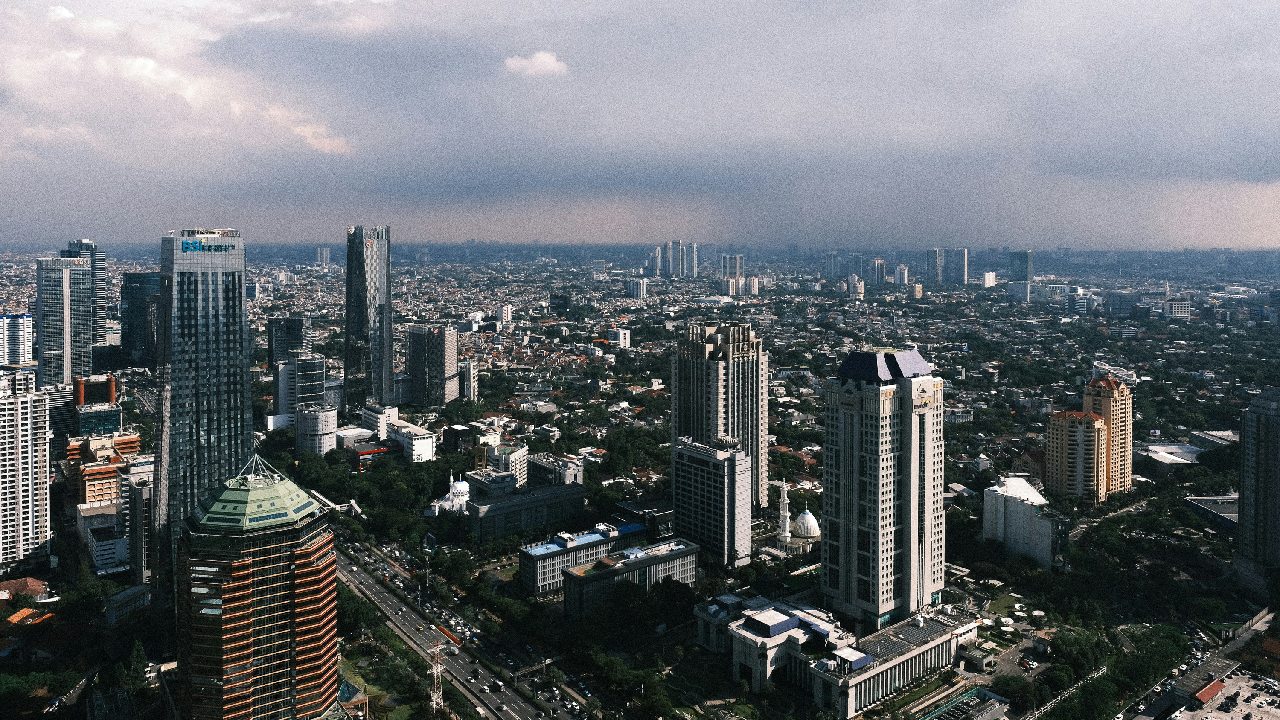
Unsplash
Indonesia offers a variety of housing options, including apartments, condominiums, and landed houses.
Apartments are often popular among single professionals and small families because they provide convenient access to city centers and offer facilities such as swimming pools, fitness centers, playgrounds, and 24-hour security.
However, maintenance and service fees may increase the overall housing budget.
A good example is The Elements in South Jakarta, which offers modern apartment living in a strategic location close to Jakarta’s central business district.
This type of property is often preferred by expats who value convenience and easy access to work.
Another option is Aerium Residence in West Jakarta.
Known for its spacious units and green surroundings, it appeals to expats and families looking for a more comfortable residential environment.
Developments like Aerium Residence can be suitable for those who want larger living spaces while still enjoying access to business districts, schools, healthcare facilities, and shopping destinations.
Meanwhile, houses are often preferred by larger families who require more space, private parking areas, or gardens.
Depending on the location, renting a house can sometimes provide better value than renting a luxury apartment.
Understanding the advantages and costs of each housing type can help expats choose the most suitable option for their needs.
Setting a Realistic Housing Budget
A practical approach to housing budget planning for expats in Indonesia is to establish a clear spending limit before beginning a property search.
Many financial experts recommend allocating around 25% to 35% of monthly income to housing expenses.
The exact percentage may vary depending on individual financial circumstances and lifestyle preferences.
When calculating a housing budget, expats should include:
- Monthly rent
- Utility costs
- Maintenance fees
- Internet services
- Transportation expenses
Considering all related costs provides a more accurate picture of total housing expenses and helps prevent financial strain.
Planning for Upfront Expenses
Many expats focus on monthly rent but overlook the upfront costs associated with renting a property in Indonesia.
Landlords often require advance payments covering several months or even a full year of rent.
Security deposits are also common. In addition, expats may need to budget for moving costs, furniture purchases, household appliances, or interior improvements.
Preparing for these initial expenses can make the relocation process much smoother and reduce financial stress during the first few months.
Read more:
Property Ownership Laws for Expatriates in Indonesia
Tips to Save Money on Housing
There are several ways expats can reduce housing expenses without compromising comfort.
Some useful strategies include:
- Comparing multiple properties before making a decision
- Negotiating rental terms with landlords
- Considering locations outside premium districts
- Sharing accommodation with roommates
- Choosing properties with included utilities or maintenance services
- Carefully reviewing lease agreements before signing
Taking these steps can help expats maximize value while staying within their planned budget.
Conclusion
Housing budget planning for expats in Indonesia is essential for a comfortable and financially sustainable stay.
By understanding rental costs, choosing the right location, evaluating different property types, and preparing for additional expenses, expats can make informed housing decisions that support their lifestyle and financial goals.
To make the search easier, expats can explore a wide range of property listings through Rumah123, which offers various housing options across Indonesia to suit different budgets and preferences.