Download Aplikasi Rumah123
 Cari Agen
 Aset Bank
 Explore
 Berita

 Bantuan
 Download Aplikasi

Navigating Medical Services as a New Expat in Indonesia
Last updated July 2, 2026 · 6 min read · by Yongky Yulius

One of the biggest concerns for many expatriates after moving to Indonesia is healthcare.
Questions like “Which hospital should I visit?”, “Will my health insurance work here?”, or “Can I easily find English-speaking doctors?” are common, especially during the first few months of settling in.
Fortunately, Indonesia has a diverse healthcare system that caters to both locals and international residents.
From internationally accredited private hospitals to affordable public healthcare facilities, you’ll have plenty of options depending on your needs and budget.
This guide explains how to navigate medical services in Indonesia, including choosing the right hospital, using your health insurance, booking doctor appointments, buying medication, and scheduling routine health checkups.
Public vs. Private Hospitals in Indonesia
1. Public Hospitals (RSUD)
Public hospitals are usually identified by the abbreviation RSUD (Rumah Sakit Umum Daerah). They are operated by local governments and can be found in almost every city and regency across Indonesia.
Advantages of public hospitals include:
- Lower consultation and treatment costs
- Wide availability throughout the country
- Suitable for general healthcare needs
However, there are also some drawbacks:
- Longer waiting times
- More limited facilities than premium private hospitals
- English-speaking medical staff may not always be available
2. Private Hospitals

Many expatriates prefer private hospitals because they typically provide higher service standards and more comprehensive support for international patients.
Benefits include:
- Modern medical facilities
- Comfortable patient rooms
- Shorter waiting times
- English-speaking doctors and staff
- Easier appointment booking
The downside is that treatment costs are generally higher than at public hospitals.
In Jakarta, some hospitals frequently chosen by expatriates include:
- Pondok Indah Hospital (RSPI) Group
- Siloam Hospitals Semanggi
- RS Premier Jatinegara
- RS Premier Bintaro
Other well-known private hospital networks include Mayapada Hospital, Siloam Hospitals, and BIMC Hospital.
Related article: Top 5 Hospitals in Jakarta for Foreigners: Best Choices for International Patients
Check Your Health Insurance Before You Need It

If you already have international health insurance, don’t assume it automatically covers treatment in Indonesia.
Before visiting a hospital, contact your insurance provider to confirm:
- Whether Indonesia is included in your policy
- Which hospitals are within the provider network
- Whether direct billing is available
- Whether pre-authorization is required for certain treatments
Several international insurance companies have a presence or partnerships in Indonesia, including:
- Manulife
- AIA
- Prudential
- Generali
Many expatriates also choose international plans with worldwide coverage, such as Feather Insurance, Cigna Healthcare, and Allianz.
Taking a few minutes to verify your coverage can help you avoid unexpected expenses later.
Related article: JKN vs Private Insurance Indonesia: Which One Suits You Best?
How to Book a Doctor’s Appointment
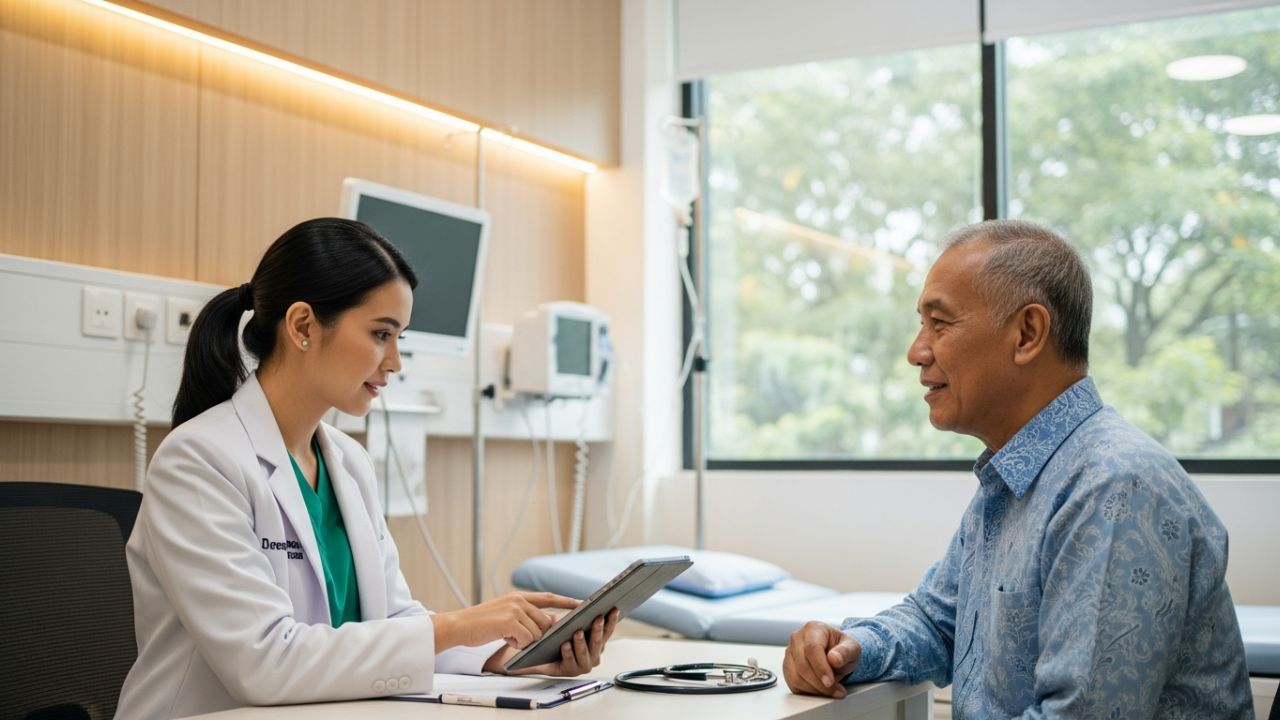
Booking a doctor’s appointment in Indonesia is usually simple.
You can either walk into a nearby clinic or hospital or schedule an appointment in advance.
When visiting a healthcare facility, remember to bring:
- Your passport or another valid ID
- Your health insurance card (if applicable)
- A debit card, credit card, or cash for payment
Many private hospitals also allow appointments through:
- Their official website
- Mobile application
- Customer service hotline
- Official Instagram account or other social media channels
Telemedicine Is Available for Minor Illnesses
If you only have mild symptoms, telemedicine can save you a trip to the hospital.
Popular telemedicine platforms include:
- Halodoc
- Alodokter
These services are ideal for common conditions such as:
- Mild fever
- Sore throat
- Headaches
- Minor skin conditions
- Allergies
However, if you experience severe pain, breathing difficulties, persistent high fever, or symptoms that worsen over time, it’s best to seek treatment at a clinic or hospital as soon as possible.
Related article: 5 Recommended English Speaking Doctors in Jakarta
Buying Medicine in Indonesia

Finding a pharmacy is rarely difficult in Indonesia.
Besides numerous independent pharmacies, you’ll find well-known pharmacy chains throughout the country, including:
- Kimia Farma
- K24
Shopping malls also commonly have pharmacies such as:
- Guardian
- Century
Simply searching “Apotek terdekat” (nearest pharmacy) on Google Maps will usually show several nearby options.
Related article: 5 Recommended Alternative Medicine Indonesia for Expats
Using a Prescription from Another Country
If you bring medication or a prescription from overseas, consult an Indonesian doctor before purchasing refills.
Some medicines may:
- Not be available in Indonesia
- Be sold under a different brand name
- Require a prescription from a local physician
- Be subject to local pharmaceutical regulations
Your doctor can recommend suitable alternatives if necessary.
Routine Medical Checkups
Preventive healthcare is widely available in Indonesia.
Many hospitals and diagnostic laboratories offer comprehensive health screening packages, including major laboratory networks such as Pramitha Lab and Parahita Diagnostic Center.
Packages typically start from around IDR 1 million, with more comprehensive options available depending on the tests included.
Routine medical checkups often include:
- Blood tests
- Cholesterol screening
- Blood sugar tests
- Liver and kidney function tests
- Urinalysis
- Chest X-ray
- ECG
- Additional examinations based on age and health history
Having a regular medical checkup is a good way to monitor your health while living abroad.
Helpful Tips for Expats
To make your healthcare experience smoother, consider these practical tips:
- Save the contact details of your preferred hospital before an emergency happens.
- Keep digital copies of your passport, insurance card, and medical records.
- Confirm your insurance coverage before receiving treatment.
- Choose hospitals with English-speaking staff if you don’t speak Indonesian.
- Consult a local doctor before replacing medication prescribed overseas.
***
Getting medical care in Indonesia is generally straightforward once you understand how the healthcare system works.
Public hospitals offer affordable treatment across the country, while private hospitals provide international-standard facilities that many expatriates appreciate.
Whether you need a routine checkup, prescription medication, or specialist treatment, planning ahead and understanding your options will help you access healthcare with greater confidence during your stay in Indonesia.
If you’re preparing for your move to Indonesia, having the right home is just as important as knowing where to access healthcare.
Whether you’re looking for an apartment for rent in Central Jakarta or a house for rent in BSD, explore the latest property listings on Rumah123 to find a home that suits your lifestyle.