


 Download Aplikasi Rumah123
 Cari Agen
 Aset Bank
 Explore
 Berita
 Bantuan
 Download Aplikasi
Private vs Public Healthcare in Indonesia: Which Is Better for Expats?
Last updated July 2, 2026 · 5 min read · by Yongky Yulius
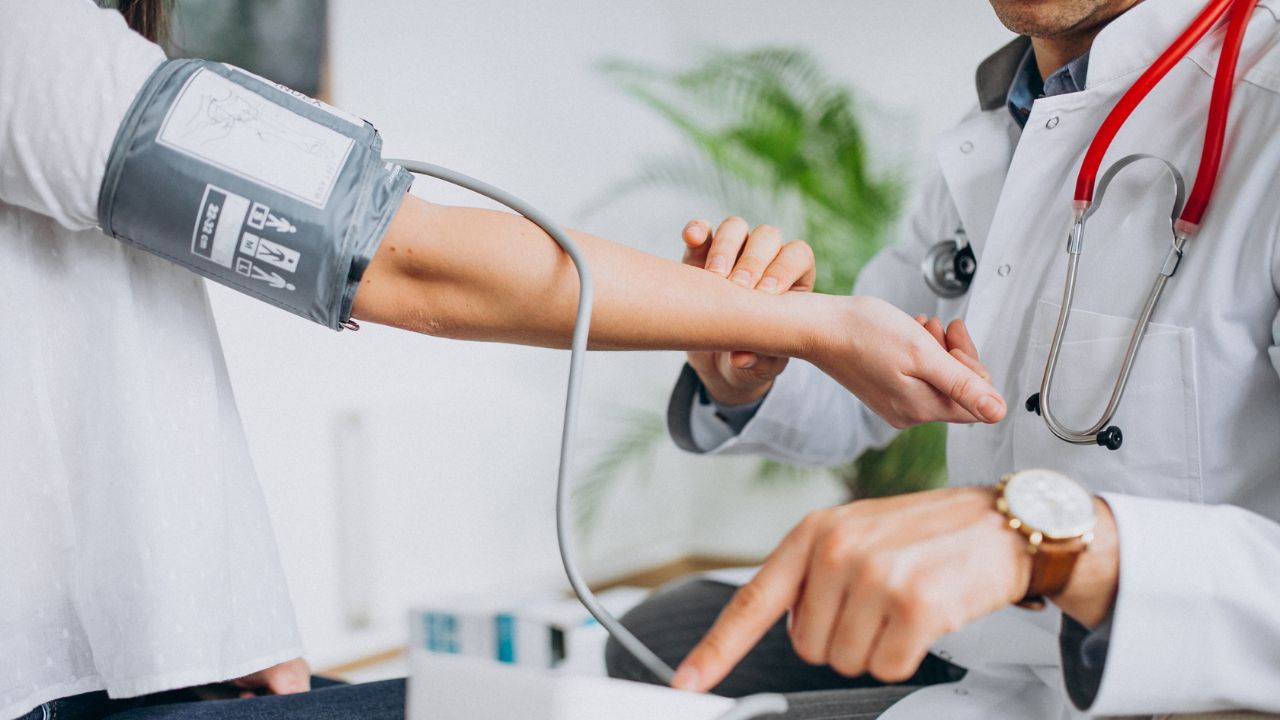
Source: Freepik.com/Senivpetro
Indonesia’s healthcare system is split into two main tracks: public hospitals (RSU) run by the government, and private hospitals and clinics operated by independent healthcare groups.
Each has real trade-offs in cost, quality, waiting times, and English-language support.
This guide breaks down both systems so you can make an informed choice — and even factor healthcare access into where you decide to live.
Public Healthcare in Indonesia
Public hospitals, commonly known as RSU (Rumah Sakit Umum), are managed by the government and form the backbone of Indonesia’s national healthcare system.
Key characteristics
- Affordability: Prices are significantly lower than private hospitals, especially for routine consultations and treatments.
- BPJS coverage: Public hospitals accept BPJS Kesehatan, Indonesia’s national health insurance program, making them the go-to option for anyone enrolled in it.
- Facility limitations: Equipment and infrastructure can vary widely by region, and some facilities may feel dated compared to private alternatives.
- Language barrier: English proficiency among medical staff is generally limited, which can be a challenge for expats who don’t speak Indonesian.
- Longer wait times: Because public hospitals serve a much larger population, queues for consultations and procedures tend to be longer.
Related article: BPJS for Foreigners in Indonesia | Expat Guide
Leading public (referral) hospitals
Indonesia’s top-tier public hospitals function as national referral centers, offering more advanced specialist care than typical regional RSUDs:
- RSUPN Dr. Cipto Mangunkusumo (RSCM) — Central Jakarta
- RSUP Prof. Dr. I.G.N.G. Ngoerah (formerly RSUP Sanglah) — Denpasar, Bali
- Rumah Sakit Umum Pusat Fatmawati
- Rumah Sakit Umum Pusat Persahabatan
- Rumah Sakit Umum Pusat Dr. Hasan Sadikin (RSHS)
- Rumah Sakit Umum Pusat Dr. Soeradji Tirtonegoro
- Rumah Sakit Umum Pusat Dr. Kariadi
- Rumah Sakit Umum Pusat Dr. Sardjito
- Rumah Sakit Umum Pusat Dr. M. Djamil
- Rumah Sakit Umum Pusat Dr. Mohammad Hoesin (RSMH)
These national referral hospitals typically offer better-equipped facilities and more specialists than smaller regional public hospitals, making them a reasonable option even for expats in a budget-conscious or emergency situation.
Related article: Top 5 Hospitals in Jakarta for Foreigners: Best Choices for International Patients

Private Healthcare in Indonesia
Private healthcare in Indonesia spans everything from neighborhood clinics to large, internationally accredited hospital groups. For most expats, this is the more familiar and comfortable option.
Key characteristics
- Modern facilities: Many private hospitals, particularly in Jakarta, Bali, and other major cities, meet international standards in equipment and hospital design.
- English-speaking staff: Doctors, nurses, and administrative staff are far more likely to be fluent in English (especially in international-standard hospitals), easing communication around diagnosis and treatment.
- Shorter wait times: Private hospitals generally offer quicker appointment scheduling and shorter in-hospital queues.
- Higher costs: Consultations, procedures, and medications are priced significantly higher than in public facilities. Private or international health insurance is strongly recommended.
Leading private hospital groups
- Siloam Hospitals Group
- RS Pondok Indah (RSPI) Group
- Mayapada Hospital
- RS Mitra Keluarga Group
- RS Premier Group
- RS Medistra
- Ciputra Hospital
These groups operate multiple branches across major Indonesian cities, so expats can often find a familiar network hospital whether they’re based in Jakarta, Surabaya, Bali, or elsewhere.
Related article: What Expats Should Know About Indonesian Healthcare – Tips, Insurance & Hospitals
Which Should Expats Choose?
There’s no single right answer — it depends on your situation:
- Choose public healthcare if you’re a long-term resident enrolled in BPJS, comfortable navigating Indonesian-language services, and looking to minimize costs for routine care.
- Choose private healthcare if you prioritize English communication, faster service, and internationally recognized facilities — and if you have private or international health insurance to offset the higher costs.
- Many expats use a hybrid approach: relying on BPJS or public hospitals for minor or long-term chronic care, while turning to private hospitals for emergencies, specialist consultations, or situations where clear communication is critical.
Related article: How Expats Choose Hospitals in Indonesia: Key Factors to Consider
***
For many expats, proximity to a trusted hospital is a real factor in choosing a neighborhood — not just an afterthought.
reas near major private hospital networks like Siloam, RSPI, or Mayapada in cities such as Jakarta, Bandung, Surabaya, and Denpasar tend to offer easier access to English-speaking medical care, which can be especially valuable for families, retirees, or anyone managing an ongoing health condition.
When house-hunting or apartment-hunting in Indonesia, it’s worth checking the distance to a reliable hospital alongside the usual factors like commute time, schools, and neighborhood safety.